How Companies Can Stay GDPR and Data Protection Compliant.
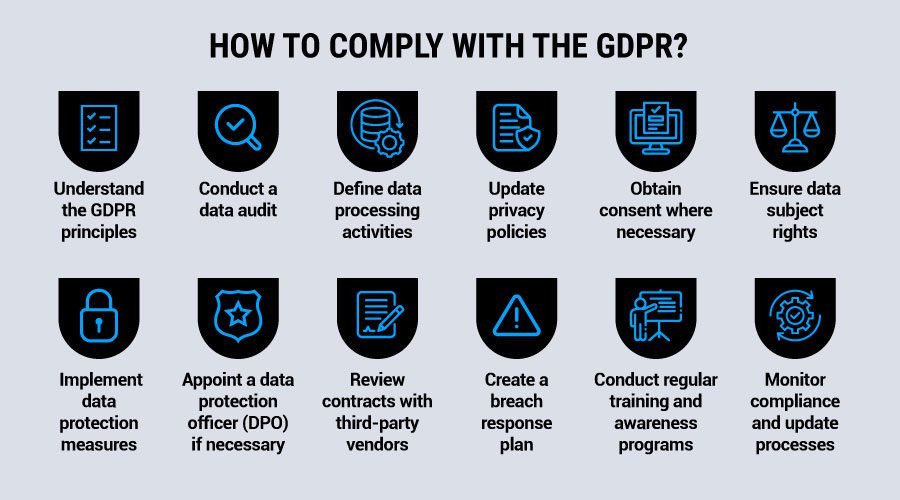
The era of treating data protection as an afterthought is over. The Office of the Data Protection Commissioner is no longer in a grace period—enforcement has moved decisively from theory to practice For companies operating in Kenya, understanding both the Kenya Data Protection Act (KDPA) and the GDPR is no longer optional. It’s a business imperative that carries serious financial and reputational consequences. Here’s what you need to know. The Current Enforcement Reality The numbers tell a clear story. Over the past year, Kenya’s ODPC has been issuing 15 compensation orders per month, along with hundreds of enforcement and penalty notices in response to thousands of complaints nationwide.These actions sit alongside 30 determinations a month, 134 enforcement notices, and 20 penalty notices aimed at compelling compliance across both public and private sectors. The High Court in Nakuru recently upheld a KES 500,000 penalty against Hotel Waterbuck for using a former employee’s image without valid consent, reaffirming that “express consent” must be proven in a manner that meets statutory thresholds. With fines of up to KES 5 million or 1% of annual turnover (whichever is lower) and criminal penalties including imprisonment of up to 10 years, the stakes are high. Key Difference: GDPR vs. Kenya Data Protection Act. Many companies assume GDPR compliance automatically means KDPA compliance. This is a dangerous misconception. While both regulations share a common architecture, they are not the same regulation. The KDPA imposes obligations on cross-border data transfers using a different adequacy framework. It requires consent language that references Kenyan law. It mandates ODPC registration for categories of processing that have no direct GDPR equivalent Companies that assumed GDPR compliance was sufficient for Kenya should urgently review that assumption. Eight Steps to Achieve Compliance. 1. Register with the ODPC. Under the KDPA, data controllers and processors must register with the Office of the Data Protection Commissioner. Failure to register is a criminal offense, with penalties up to KES 3 million or imprisonment for up to 10 years. Action: Determine whether your organization is a data controller or processor and complete registration with the ODPC. This is not a one-time exercise—registrations must be renewed and updated when processing activities change. 2. Map Your Data Flows. You cannot protect what you do not know exists. The GDPR checklist emphasizes that “if you don’t know where data lives—you can’t protect it”.Action: Conduct a comprehensive data inventory and mapping exercise. Identify: Maintain Records of Processing Activities (ROPA) What personal data you collect Where it flows (collection → storage → processing → sharing) Which categories of sensitive data you handle. 3. Establish a Lawful Basis for Processing. Every processing activity must have a lawful basis under Section 30 of the KDPA. This is frequently cited in ODPC enforcement actions, with unauthorized processing without consent being among the most common violations. Action: Document the lawful basis for every processing activity. For consent-based processing, ensure consent is freely given, specific, informed, unambiguous, withdrawable, and documented. Avoid common mistakes like:Vague purposes (“for service improvement” is not enough) Hidden consent inside Terms & Conditions. Pre-ticked checkboxes. Failing to mention third-party sharing. 4. Appoint a Data Protection Officer (DPO). While not mandatory for all organizations, appointing a DPO or dedicated privacy contact is strongly recommended when processing sensitive or high-risk data (health, financial, biometric, children’s data, etc.). Action: Consider appointing a DPO to oversee compliance, handle data subject requests, and serve as the contact point for privacy queries. This demonstrates accountability and builds trust. 5. Implement Data Subject Rights Mechanisms. Data subjects have specific rights under the KDPA: access, rectification, erasure, objection, and withdrawal of consent. Action: Establish clear mechanisms for data subjects to exercise their rights. Under GDPR standards, responses must be provided within 30 days . Ensure your privacy notices explain these rights clearly, including how to access data, correct inaccuracies, withdraw consent, and request deletion 6. Strengthen Security Controls. Security failures are one of the top causes of enforcement actions and fines.The KDPA requires appropriate technical and organizational safeguards to protect data from unauthorized access, loss, or breaches. Action: Implement robust security measures including: 7. Prepare for Data Breaches. Data breach management is a critical compliance area. Organizations must have a breach response plan and the ability to notify the ODPC promptly. Action: Develop and test a breach response plan. Under GDPR standards, supervisory authorities must be notified within 72 hours.Maintain a breach register and ensure affected data subjects are informed if there is a high risk to their rights. 8. Address International Data Transfers. This is a significant area where GDPR and KDPA diverge. The KDPA uses a different adequacy framework for cross-border data transfers, and GDPR requires either adequacy decisions, Standard Contractual Clauses (SCCs), or Binding Corporate Rules (BCRs) for transfers outside the EEA. Action: Assess international data transfer risks. Ensure you have appropriate transfer mechanisms in place, including signed Data Processing Agreements with vendors that require third-party processors to be compliant. The Business Case for Compliance Beyond regulatory obligations, organizations must also consider the broader impact of how they handle data.It helps organizations maintain trust, protect individual privacy, and promote a responsible digital environment. Responsible data handling builds customer confidence, strengthens brand reputation, and supports ethical digital practices in Kenya’s evolving technology landscape. How Nalabix Supports Data Protection Compliance At Nalabix, we help organizations across Kenya protect sensitive information while managing obsolete IT equipment responsibly. Our secure IT asset management services include: Our documented processes help organizations securely retire technology while supporting responsible environmental practices. Frequently Asked Questions Does GDPR apply to companies outside Europe? Yes. GDPR can apply to organizations outside the European Union if they process the personal data of individuals located in the EU. Is deleting files enough before recycling a computer? No. Deleted files can often be recovered. Secure data wiping or physical destruction of storage media is recommended before disposal. Why are Certificates of Data Destruction important? They provide documented evidence that storage devices have been securely sanitized or destroyed, supporting audits, internal governance, and customer assurance. How does IT Asset Disposal (ITAD) support compliance? ITAD ensures obsolete
How Businesses Can Reduce Electronic Waste: A Practical Guide for Kenyan Companies.
Technology drives modern business. Computers, laptops, servers, printers, networking equipment, smartphones, and other digital devices help organizations operate efficiently and stay competitive. However, as technology evolves, businesses frequently replace older equipment with newer models, creating a growing stream of electronic waste (e-waste). The good news is that reducing electronic waste doesn’t require sacrificing productivity. With the right policies and responsible IT asset management, businesses can extend the life of their technology, recover asset value, protect sensitive data, and support environmental sustainability.Here’s a comprehensive guide based on what I’ve seen work for organizations across Kenya. Organizations that treat e-waste as a management problem rather than a disposal problem discover significant opportunities. Many devices go straight from a user’s desk to a recycling bin—or worse, a landfill—even though they still have useful life left. Action Step: Create a comprehensive inventory of all IT assets. Without this baseline, you cannot quantify a waste reduction program or demonstrate compliance on ESG questionnaires Extend Device Lifecycles. One of the most impactful ways to reduce e-waste is simply to keep devices in service longer. By 2028, 75% of enterprises will set IT asset circularity goals, with 90% of assets returned to the circular economy. What this looks like in practice: Embrace Refurbishment and Repurposing The circular economy mindset means seeing e-waste not as waste, but as a resource. Kenyan companies are already leading the way in this space. Qtron Industries, a Nairobi-based recycling firm, specializes in repairing and repurposing electric vehicle batteries—an innovative solution to a growing e-waste problem. They’ve refurbished more than 100 EV batteries to date, preventing them from ending up in landfills.Used EV batteries retain part of their original capacity after their automotive lifecycle and can be repurposed for solar and wind energy storage. What this means for your business: Choose Certified Disposal Partners Not all recyclers are equal. In Kenya, as in other African countries, counterfeits and poorly made electronics complicate recycling efforts—they have shorter lifecycles, lower value components, and potentially hazardous materials.Choosing the wrong partner can put your reputation and compliance at risk. At Nalabix, we provide all of the above—helping businesses across Kenya retire IT assets securely and responsibly. Implement Sustainable Procurement Practices Reducing e-waste starts before a device enters your organization. Sustainable procurement practices can significantly reduce the volume of waste generated downstream.Research on state corporations in Kisii County found that sustainable sourcing practices—including supplier environmental assessment and sustainability evaluation—positively influence organizational performance. Practical steps: Embrace E-Waste Regulations and Extended Producer Responsibility Kenya’s regulatory framework is evolving, and businesses need to stay ahead. The Data Protection Act (2019) already requires secure data erasure before device disposal. Proposed legislation, like the Electronic Equipment Disposal, Recycling and Reuse Bill (2025) and NEMA E-Waste Regulations, will establish additional requirements. Other East African nations are moving in the same direction. Rwanda is actively establishing a Producer Responsibility Organization (PRO) to ensure electronics producers fulfill their EPR obligations for collection, recycling, and disposal. Engage Your Employees Even the best-designed recycling plan will stall without active employee participation. How to build engagement: Common Mistakes Businesses Should Avoid Avoid these common pitfalls: Replacing equipment too early Throwing electronics into general waste Forgetting to destroy sensitive data Storing obsolete equipment indefinitely Using unlicensed recyclers Failing to document asset disposal A proactive strategy helps prevent these costly mistakes. Frequently Asked Questions What is the best way for businesses to reduce electronic waste? The most effective approach combines equipment maintenance, refurbishment, secure IT Asset Disposal (ITAD), and responsible recycling through a licensed e-waste recycler. Why should businesses avoid storing obsolete electronics? Old equipment can occupy valuable office space, lose resale value, and increase the risk of data breaches if storage devices still contain sensitive information. How does IT Asset Disposal (ITAD) reduce electronic waste? ITAD extends the lifecycle of technology through refurbishment, resale, redeployment, and responsible recycling, ensuring valuable materials are recovered instead of sent to landfill. Why is data destruction important before recycling? Computers and storage devices often contain confidential business information. Secure data destruction prevents unauthorized access before equipment is reused or recycled. Final Thoughts Reducing electronic waste is good for the environment, good for compliance, and good for business. Kenyan organizations that act now to implement these practices will be better positioned as regulations tighten and sustainability becomes a competitive advantage. At Nalabix, we partner with businesses across Kenya to manage IT assets securely, responsibly, and in compliance with Kenyan law. From secure data destruction to value recovery through refurbishment, we help you turn e-waste from a problem into an opportunity. Ready to reduce your e-waste footprint? Contact Nalabix today for a consultation or to schedule a pickup.
How to Destroy Data Before Recycling Computers: A Complete Guide for Secure IT Disposal.
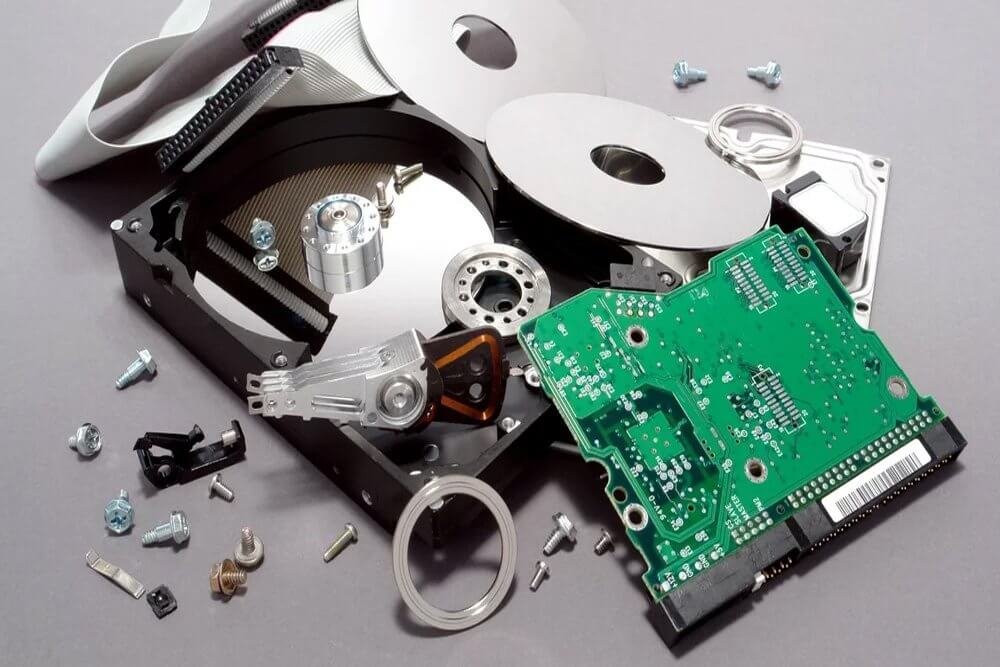
Recycling old computers is one of the best ways to reduce electronic waste and support environmental sustainability. However, before a computer leaves your home or business, there is one critical step you should never overlook: Destroy all sensitive data stored on the device. Every computer stores information that could be valuable to cybercriminals. Financial records, customer databases, passwords, emails, employee files, and confidential business documents can often be recovered—even after files have been deleted or the hard drive has been formatted. Failing to destroy this data properly can lead to identity theft, financial losses, regulatory penalties, and reputational damage. Whether you’re recycling one laptop or decommissioning hundreds of office computers, this guide explains how to destroy data before recycling computers safely, securely, and responsibly. Why “Delete” Isn’t Good Enough Simply deleting files or reformatting a hard drive doesn’t actually remove the data. It only removes the pointers that tell the operating system where the data is stored. The information remains on the drive and can be recovered using inexpensive forensic tools. This is where Kenya’s Data Protection Act (2019) comes into play. The law requires organizations to protect personal data throughout its lifecycle—including disposal. Failure to secure data before recycling can expose your business to data breaches, regulatory fines, and lasting reputational damage. The NIST Framework: Clear, Purge, Destroy The most widely recognized standard for data sanitization is NIST Special Publication 800-88. It categorizes data destruction into three levels: 1. Clear (Software Wiping) This method uses standard read/write commands to overwrite data with nonsensitive patterns. It provides moderate protection against simple recovery techniques and allows the device to be reused internally. Best for: Devices being repurposed within your organization. Limitation: Cannot overwrite data in hidden or inaccessible areas 2. Purge (Advanced Sanitization) Purge provides a higher level of protection using laboratory-level overwrite methods, block erasure, or cryptographic erase. Like Clear, the media remains reusable. Key technique: Cryptographic Erase (Crypto Erase) For self-encrypting drives (SEDs), crypto erase deletes the encryption key that protects the data. Without the key, encrypted data becomes unreadable—effectively destroyed. This process takes just seconds Critical warning: Crypto erase only works if: If these conditions aren’t met, crypto erase alone isn’t sufficient 3. Destroy (Physical Destruction) This renders data recovery infeasible using state-of-the-art laboratory techniques. The media cannot be reused. Techniques include: Important note: Techniques like bending or shooting a hole through a drive may only partly damage it, leaving portions accessible. Professional shredding is required for full destruction. Which Method Should You Choose? The right approach depends on your data sensitivity and what you plan to do with the device: Method Data Recovery Risk Device Reusable? When to Use Clear (Wipe) Moderate Yes Internal reuse, low-risk data Purge (Crypto Erase) Very Low Yes Devices with built-in encryption, fast turnaround Destroy (Shred) Zero No Highly sensitive data, damaged drives, compliance mandates Practical Steps to Take Step 1: Inventory All Devices Before anything leaves your facility, catalog every device that stores data—not just computers, but servers, external drives, and mobile devices. Step 2: Assess Data Sensitivity Classify the data on each device. The level of sanitization should match the sensitivity of the information. Step 3: Choose Your Sanitization Method Step 4: Obtain Proof of Destruction Whether you wipe or shred, documentation is essential for compliance. You should receive: Partner with Nalabix for Certified Data Destruction At Nalabix, we make data destruction simple, secure, and audit-ready. Based in Nairobi, we serve businesses across Kenya What we offer:NIST 800-88 compliant wiping with verification logs On-site hard drive shredding—drive never leaves your sight Certificate of Destruction, serial-level logs, and signed chain-of-custody Nationwide coverage: Nairobi, Mombasa, Kisumu, Nakuru, Eldoret, and beyond What happens if a drive fails wiping? Any drive that fails verification is flagged and escalated to physical shredding. You get notified and the disposition is recorded in your final documentation Frequently Asked Questions Is deleting files enough before recycling a computer? No. Deleted files can often be recovered. Use secure data wiping or physical storage media destruction instead. Can formatted hard drives be recovered? Yes. In many cases, formatted drives still contain recoverable information unless they have been securely sanitized. Should I destroy the hard drive or wipe it? If the drive is functional and will be reused, secure data wiping is usually the best choice. If the drive is damaged or contains highly sensitive information, physical destruction is recommended. Do businesses need a Certificate of Data Destruction? Yes. Certificates provide documented proof that storage media has been securely sanitized or destroyed, supporting compliance, audits, and internal governance. Final Thoughts. Data destruction before recycling isn’t optional—it’s a legal obligation and a fundamental business practice. Whether you choose software wiping, cryptographic erase, or physical destruction, the key is doing it properly and documenting every step. At Nalabix, we help you retire your IT assets with confidence, combining certified data destruction with value recovery to lower your net cost. Ready to destroy your data securely? Contact Nalabix today to schedule a pickup.
10 Environmental Benefits of Recycling Electronic Waste.
Every year, millions of electronic devices reach the end of their useful life. Smartphones, laptops, printers, televisions, servers, batteries, and household appliances are replaced as technology evolves. While these devices improve our lives, they also create one of the world’s fastest-growing waste streams—electronic waste (e-waste). I have witnessed firsthand how responsible e-waste recycling transforms environmental challenges into opportunities for recovery and regeneration. In a world where electronic waste is growing at an alarming rate, understanding the tangible environmental benefits of recycling our gadgets is essential. Here are ten powerful ways recycling e-waste benefits our planet. 1. Conservation of Natural Resources. Every electronic device contains precious metals. One tonne of printed circuit boards contains at least 200 kg of copper, 0.4 kg of silver, and 0.09 kg of gold—concentrations that can be ten times higher than natural ores.When we recycle, we recover these valuable metals for reuse, significantly reducing the need for destructive mining operations that destroy habitats and pollute soil and water Instead of tearing up the earth for new resources, recycling lets us tap into the urban mine of discarded electronics. Kenya, generating approximately 51,300 metric tonnes of e-waste annually, has a significant opportunity to recover these resources locally. 2. Reducing Greenhouse Gas Emissions. The environmental footprint of mining is staggering. Recycling precious metals from e-waste would prevent the emission of 52 million tonnes of mining-related greenhouse gases. It is also projected that recycling plastics from waste electrical and electronic equipment could contribute to 10 million tonnes of carbon reduction by 2050. Every device we recycle reduces the energy-intensive demand for virgin material extraction, directly helping to combat climate change. 3. Reducing Pollution of Soil and Water. When e-waste ends up in landfills, hazardous substances like lead, cadmium, and mercury leach into the ground, contaminating the soil and water supply.In Kenya, the estimated value of avoided agricultural losses from proper e-waste recycling is around KES 200 million per year, as it prevents heavy metals from accumulating in soil and reducing agricultural productivity. 4. Preventing Air Pollution from Toxic Burning. A common method of informal e-waste “recycling” is open burning of plastics to extract copper and other metals. This releases toxic fumes along with dioxins, furans, and heavy metals, leading to long-term environmental contamination and bioaccumulation in food chains.Formal recycling ensures these materials are processed safely, keeping our air clean. 5. Reducing the Need for Hazardous Mining. Mining for metals like gold, copper, and rare earths destroys habitats, produces heaps of toxic waste, and is linked to human rights abuses.By recycling e-waste, we reduce the demand for “conflict minerals” and support a more ethical supply chain. “There are many benefits of recovered raw materials… that is the reason we must recycle every gram of gold and neodymium that is in e-waste”. 6. Preserving Biodiversity and Ecosystems. Toxic substances from e-waste that contaminate waterways and soil harm wildlife—especially aquatic species. The ecological value is difficult to monetize but is critical for ecosystem resilience. Cleaner environments also support Kenya’s tourism brand, with an estimated tourism value contribution of KES 50–100 million per year. 7. Saving Energy Extracting secondary metals through recycling consumes far less energy than mining and processing virgin materials.Producing new electronics from raw materials is an energy-intensive process, while recycling significantly reduces electricity, fossil fuel, and water consumption. The result? A lower carbon footprint for every device we keep out of the ground. 8. Reducing Reliance on Foreign Imports. Kenya imports approximately 70% of its electrical and electronic equipment.Recycling e-waste provides secondary raw materials like copper and aluminum, reducing foreign exchange outflows and import dependency. This import substitution effect is valued at KES 500 million to 1 billion per year at 30% recovery 9. Extending the Lifespan of Materials Through the Circular Economy One of the most profound environmental benefits is that recycling keeps materials in circulation. Instead of a “take-make-dispose” model, the circular economy uses resources efficiently. In Kenya, innovations like those at Qtron Industries are giving electric vehicle batteries a second life by repurposing them for solar and wind energy storage 10. Encouraging Sustainable Consumption and Responsibility When we recycle, we send a powerful message about responsibility. Participating in electronic recycling encourages sustainable practices and responsible consumption.It inspires communities, businesses, and governments to prioritize sustainability, helping to break the cycle of disposability that defines modern consumer culture. Why Choose Nalabix for Responsible E-Waste Recycling? At Nalabix, environmental protection is at the heart of everything we do. We help businesses, institutions, and households across Kenya recycle electronic waste safely and responsibly through professional collection, secure processing, and environmentally sound recycling practices. Our services include: By partnering with Nalabix, organizations not only protect sensitive information but also contribute to a cleaner environment and a stronger circular economy. The Future of E-Waste Recycling in Kenya As Kenya continues to expand its digital economy, the volume of electronic waste will continue to grow. Businesses, government institutions, schools, healthcare providers, manufacturers, and households all have an important role to play in reducing the environmental impact of obsolete electronics. Choosing responsible recycling today helps preserve natural resources, reduce pollution, and create a more sustainable future for generations to come. Frequently Asked Questions Why is recycling electronic waste important? Recycling electronic waste prevents pollution, conserves valuable resources, reduces landfill waste, and supports sustainable manufacturing. What environmental problems does e-waste cause? Improperly managed electronic waste can contaminate soil and water, release toxic substances, increase greenhouse gas emissions, and damage ecosystems. Can valuable materials be recovered from old electronics? Yes. Electronics contain valuable materials such as gold, copper, aluminium, silver, steel, and rare earth elements that can be recovered and reused through responsible recycling. How can businesses recycle electronic waste responsibly? Businesses should work with licensed e-waste recycling companies that provide secure collection, certified data destruction, IT Asset Disposal (ITAD), and environmentally responsible recycling. Final Thoughts Electronic waste is not just a growing environmental challenge—it is also an opportunity to build a more sustainable future. The environmental case for recycling electronic waste is overwhelming. From saving
Common E-Waste Recycling Mistakes Businesses Make.
With over ten years of experience in the IT asset disposition industry, I’ve seen businesses across Kenya make the same critical mistakes when it comes to electronic waste recycling. These errors aren’t just costly—they can damage your reputation, violate regulations, and harm the environment. Let me share the most common pitfalls I’ve encountered and, more importantly, how to avoid them. The “One Wrong Item Doesn’t Matter” Mindset. I’ve walked into countless offices where employees toss anything with a plug into the general waste bin. One phone. One dead battery. One old mouse. What’s the harm? The damage is real. Even a single item placed in the wrong bin can contaminate an entire load of recyclables.This practice, known as “wish-cycling,” drives up disposal costs and undermines genuine sustainability efforts. The Fix: Train your team to recognize common contaminants. Use clear, visual signage on recycling bins and place reminders in shared spaces.When in doubt, your staff should know to ask rather than guess. Tossing Electronics in the Dumpster. This remains one of the most dangerous mistakes I see. Old laptops, printers, phones, and monitors end up in regular rubbish bins—often because businesses don’t know what else to do with them. Kenyan businesses face real legal and environmental risks here. Electronics contain hazardous materials like lead, mercury, and cadmium that should never reach landfills.The Data Protection Act also requires secure data erasure before disposal—something a dumpster run simply doesn’t provide. The Fix: Designate a secure area for e-waste collection within your facility. Store used devices in labeled bins until pickup by a certified recycler like Nalabix. Assuming Old Equipment Has No Value I’ve watched companies pay disposal fees for assets that could have generated revenue. Old desks, filing cabinets, and IT equipment often get tossed during office moves or upgrades, with businesses missing the opportunity for reuse or resale. The Fix: Before you dispose of equipment, assess its resale potential. Nalabix offers asset liquidation services, providing cash offers for eligible laptops, workstations, and servers—often offsetting disposal costs entirely. Trusting Unverified Recyclers. This is perhaps the most subtle but dangerous mistake. I’ve seen businesses choose recycling partners based solely on price, without verifying their credentials. The result? E-waste ends up in informal recycling yards where workers handle hazardous materials without safety equipment. Formal recyclers must invest heavily in specialized equipment, trained personnel, and compliance infrastructure. Profit margins in formal recycling typically range between 10% and 20%, far lower than the potential value of recovered materials.When a quote seems too cheap, it often means corners are being cut. The Fix: Choose a certified partner with documented processes, chain-of-custody documentation, and compliance with NEMA regulations. At Nalabix, we provide audit-ready evidence packs that prove your e-waste was handled responsibly. Overlooking Data Security. The Data Protection Act makes secure data erasure mandatory—not optional. Yet I still encounter businesses that rely on simple file deletion or factory resets. These methods don’t actually remove data from storage devices. The Fix: Work with a provider that follows NIST 800-88 guidelines for data sanitization. Nalabix offers both certified wiping (with verification logs) and on-site hard drive shredding—so you can witness the destruction yourself. Treating E-Waste Like Regular Waste. Many businesses still treat e-waste as a facilities issue rather than a compliance issue. This oversight can be costly. Under Kenya’s Data Protection Act and emerging e-waste regulations, businesses face administrative fines of up to KES 5 million or 1% of annual turnover. The Fix: Integrate e-waste management into your compliance framework. Appoint a responsible person or team to oversee IT asset disposition and ensure proper documentation. What Proper E-Waste Recycling Looks Like Responsible e-waste recycling involves: Frequently Asked Questions What is the biggest e-waste recycling mistake businesses make? The most common mistake is disposing of computers and storage devices without securely destroying the data they contain. Why shouldn’t businesses store old electronics? Unused equipment takes up valuable space, loses resale value over time, and may contain sensitive information that remains vulnerable if not properly managed. Can old business computers be reused? Yes. Many computers can be refurbished, upgraded, or redeployed after certified data wiping, reducing costs and minimizing electronic waste. Why should businesses choose a licensed e-waste recycler? Licensed recyclers follow recognized environmental and data security practices. They also provide documentation, such as Certificates of Recycling and Data Destruction, to support compliance and accountability. Final Thoughts After six years in this industry, I can tell you this: the cost of getting e-waste disposal wrong always exceeds the cost of getting it right. Whether it’s regulatory fines, data breaches, or reputational damage, the risks are real. Electronic waste is more than a disposal challenge—it’s a business responsibility. Every outdated laptop, server, printer, or hard drive represents a decision that can either protect your organization or expose it to unnecessary risks. At Nalabix, we make responsible e-waste disposal simple, secure, and compliant. We handle everything from secure data destruction to value recovery—so you can focus on your core business.
Hard Drive Destruction vs Secure Data Wiping: Which Is Better?
Every computer, laptop, server, and storage device eventually reaches the end of its useful life. But before you sell, recycle, refurbish, or dispose of these devices, you must answer one critical question: How do you ensure no one can recover the data stored on them? Despite the risks, many organizations still believe that deleting files or formatting a hard drive provides complete protection. However, readily available software can often recover deleted data, exposing sensitive business information to cybercriminals and unauthorized users. To prevent data breaches, businesses typically choose between secure data wiping and physical hard drive destruction. While both methods are effective when performed correctly, they serve different purposes. In this guide, we’ll compare both approaches, explain their advantages and limitations, and help you determine which solution best fits your organization’s data security and sustainability goals. Why Secure Data Disposal Matters Old storage devices often contain valuable and confidential information, including: If your organization discards these devices without properly sanitizing them, you could face: Protecting information should always be the first step before retiring any IT asset. What Is Secure Data Wiping? Secure data wiping is a software-based process that permanently overwrites the data stored on a hard drive or solid-state drive (SSD). Rather than simply deleting files, specialized software writes new data across the storage media multiple times—or follows modern sanitization standards—to make the original information unrecoverable. Advantages of Secure Data Wiping. Allows Equipment Reuse Because the storage device remains functional, it can be: This supports sustainability and extends the lifecycle of IT assets. Maximizes Asset Value Organizations can recover value from equipment instead of destroying usable hardware. This is especially important for: Audit Documentation Professional wiping services provide detailed reports showing: These records support compliance and internal audits. Limitations of Secure Data Wiping While highly effective, data wiping may not be appropriate when: In these situations, physical destruction is often the preferred option. How Hard Drive Destruction Works. A professional destruction process generally includes: This ensures both data security and environmentally responsible disposal. Advantages of Hard Drive Destruction. Maximum Data Security Once a drive has been shredded or otherwise destroyed, recovering data is practically impossible. This makes it suitable for: Fast Processing Large quantities of obsolete drives can be destroyed quickly during IT refresh projects or data centre decommissioning. Compliance Support Many organizations require documented proof that storage devices have been physically destroyed. Certificates provide evidence for audits and regulatory requirements. Hard Drive Destruction vs. Secure Data Wiping Feature Secure Data Wiping Hard Drive Destruction Data permanently removed ✅ Yes ✅ Yes Drive remains usable ✅ Yes ❌ No Supports refurbishment ✅ Yes ❌ No Asset value recovery ✅ Yes ❌ No Suitable for damaged drives ❌ No ✅ Yes Best for failed drives ❌ No ✅ Yes Environmentally sustainable ✅ Excellent ✅ Good (when recycled) Highest level of physical assurance ❌ No ✅ Yes The Best Practice: Use Both When Appropriate Many organizations use a combination of both methods. For example: This balanced approach strengthens security while reducing unnecessary electronic waste. Whether you are retiring a single laptop or hundreds of enterprise storage devices, our team follows documented procedures that prioritize data security, compliance, and environmental responsibility. Frequently Asked Questions Is deleting files enough to protect my data? For this reason, no. Deleted files can remain recoverable, leaving sensitive information exposed. Organizations need secure data wiping or physical destruction to permanently eliminate that risk. Can SSDs be securely wiped? Yes. Many SSDs can be securely sanitized using approved methods. However, damaged or inaccessible SSDs are often physically destroyed. Do you provide certificates? Yes. Nalabix issues Certificates of Data Destruction and supporting reports for organizations requiring documented proof of secure media sanitization or destruction. Which method is recommended for businesses? In practice, most businesses benefit from combining both approaches: secure data wiping for reusable equipment and physical destruction for failed or highly sensitive storage devices. Final Thoughts Secure data wiping is ideal when drives remain functional and can be reused, helping businesses recover value while reducing electronic waste. Hard drive destruction provides the highest level of physical assurance for damaged drives or highly confidential information that must never be recoverable. At Nalabix, we help organizations across Kenya make the right choice through professional data sanitization, certified hard drive destruction, IT Asset Disposal (ITAD), and responsible e-waste recycling.
Hard Drive Destruction vs Secure Data Wiping: Which Is Better?
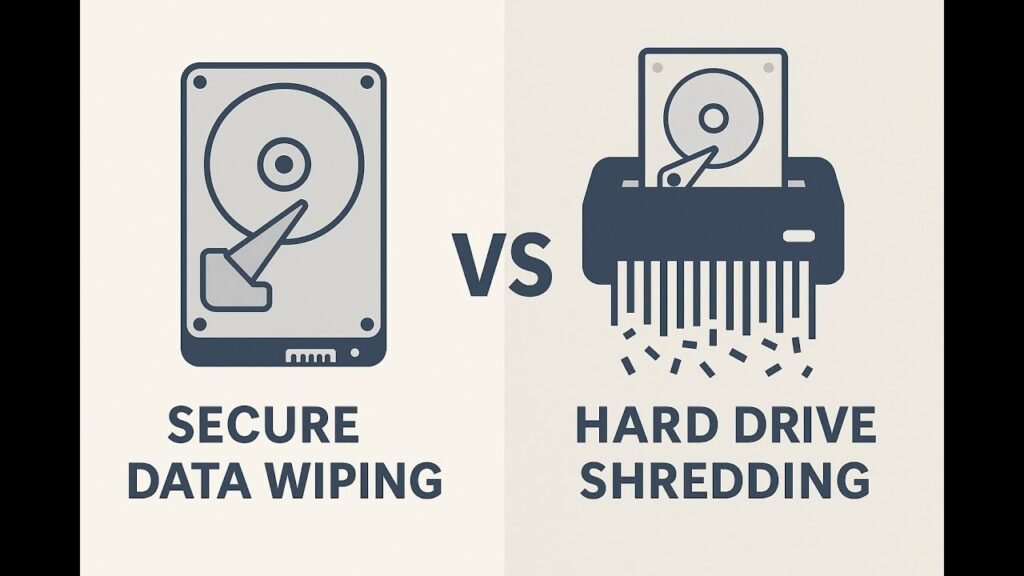
When retiring old IT equipment, organisations must choose between physically destroying the hard drive and securely wiping the data. The right option depends on your specific needs, security requirements, and business goals. Here’s a clear breakdown to help you decide. Understanding the Options Physical Destruction (Hard Drive Shredding) This process physically destroys the storage device using industrial shredders, crushers, or degaussers, making all data completely unreadable and unrecoverable by any means. It permanently renders the drive unusable. Compliance: Meets strict standards for HIPAA, GLBA, and government requirements Security Level: Highest. Eliminates any possibility of data recovery. Best For: Highly sensitive or regulated data where zero risk is acceptable. Certificate Issued: Yes, a Certificate of Destruction is provided. Secure Data Wiping (Data Erasure) This is a software-based process of securely overwriting all data on a storage device multiple times with random patterns, making the original information permanently unrecoverable while keeping the drive physically intact and functional for reuse. Which Method Does Your Situation Require? Consider Physical Destruction When: Consider Secure Wiping When: Critical Differences at a Glance Factor Physical Destruction Secure Data Wiping Security Level Highest High Drive Reusable? No Yes Data Recovery Risk Zero Negligible Best For Sensitive/regulated data Reuse or resale Compliance Standards HIPAA, DOD, NSA, GLBA DOD, NIST 800-88 The Hybrid Approach Many businesses combine both methods by physically destroying end-of-life drives that contain sensitive data while using certified wiping for devices they plan to remarket. This strategy balances security, regulatory compliance, and value recovery. Expert Recommendation Certified providers can execute both methods effectively. For highly confidential data, organisations should first perform secure data erasure and then physically destroy the device. This approach adds multiple layers of protection and safeguards data throughout the entire chain of custody. Secure your data with confidence. Contact Nalabix today to discuss your specific needs and schedule our certified data destruction services.
Electronic Waste Collection Services in Kenya: Secure, Reliable & Sustainable E-Waste Pickup
Every business eventually upgrades its computers. School replaces outdated ICT equipment. Every hospital retires obsolete medical devices. And every household accumulates old phones, televisions, chargers, and other electronics. The question is: What happens to these devices when they are no longer needed? Unfortunately, many obsolete electronics end up in storage rooms, are dumped with general waste, or are handled by informal collectors. These practices can expose sensitive data, harm the environment, and waste valuable resources that could otherwise be recovered through recycling. Professional electronic waste collection services provide a safe, compliant, and environmentally responsible solution. At Nalabix, we help organizations and households across Kenya collect, transport, recycle, and responsibly dispose of obsolete electronics through secure collection services backed by certified recycling, IT Asset Disposition (ITAD), and data destruction. Nalabix provides nationwide collection for businesses, institutions, NGOs, schools, healthcare facilities, and government organizations, with same-week pickup available in many major urban areas. What Are Electronic Waste Collection Services? Electronic waste collection services involve the safe pickup, transportation, tracking, and processing of obsolete electrical and electronic equipment. Instead of disposing of electronics in landfills or storing them indefinitely, professional collection services ensure they are: The goal is to protect sensitive information, recover valuable materials, and minimize environmental impact. Why Proper E-Waste Collection Matters Electronic devices contain both valuable resources and hazardous materials. Inside many electronics are: Valuable Materials Hazardous Components Without proper collection and recycling, these materials can contaminate the environment while valuable resources are permanently lost. What Types of E-Waste Can Be Collected? Professional collectors like Nalabix accept a wide range of electronic waste Computers and IT Equipment: Desktops, laptops, monitors, printers, scanners, keyboards, mice Servers and Networking: Servers, routers, switches, firewalls, storage devices Mobile Devices: Phones, tablets, chargers, power banks Office Equipment: Photocopiers, fax machines, UPS units, cables Consumer Electronics: Televisions, sound systems, gaming consoles Household Appliances: Refrigerators, microwaves, washing machines (where handled by specialists) Who Provides E-Waste Collection in Kenya? Several licensed providers operate across the country, with coverage expanding beyond Nairobi to major towns and industrial areas. Nalabix As a Kenya-based certified partner, Nalabix offers nationwide collection services with: Other Providers WEEE Centre, a leader in environmental stewardship since 2012, has safely processed more than 10,000 tonnes of e-waste, decontaminating over 800,000 devices and preventing an estimated 14,400 tonnes of CO₂ emissions.Prime Bank recently partnered with WEEE Centre to scale safe collection and recycling while creating green jobs for women and youth Bestcare Facilities Management provides licensed scrap metal and e-waste collection across Kenya with per-kg or per-item value for qualifying metals. Yichuang Recycling Company is one of Kenya’s licensed recyclers working on the front lines of collection and processing Innovation is also happening in the digital space. ZingiraTech is an emerging platform designed to connect users with certified recycling companies, offering geo-location-based pickup scheduling and transparency on the lifecycle of e-waste Why Choose Nalabix? Nalabix is one of Kenya’s trusted providers of electronic waste collection, IT Asset Disposition (ITAD), and secure data destruction. What Sets Us Apart? Nationwide electronic waste collection Business-focused IT asset management Secure chain-of-custody procedures Certified data destruction IT Asset Disposal (ITAD) Asset refurbishment and value recovery Environmentally responsible recycling Recycling and destruction certificates Experienced technical team Nalabix works with organizations across healthcare, education, financial services, government, manufacturing, technology, retail, logistics, telecommunications, and other sectors to provide secure, compliant, and environmentally responsible electronics recycling. Why Electronic Waste Collection Supports Sustainability Responsible collection is the first step toward a circular economy. By ensuring electronics are: organizations help: Every collection contributes to a cleaner and more sustainable Kenya. Frequently Asked Questions Do you offer electronic waste collection across Kenya? Yes. Nalabix provides electronic waste collection services for businesses and institutions throughout Kenya, with flexible scheduling based on location and project size. What electronic items do you collect? We collect computers, laptops, servers, networking equipment, printers, phones, tablets, monitors, storage devices, UPS systems, cables, and many other electronic devices. Do you provide certificates? Yes. We provide Certificates of Data Destruction and Recycling where required to support compliance and audit requirements. Is my business data protected? Absolutely. All data-bearing devices are securely wiped or physically destroyed before reuse or recycling using industry-recognized methods. Partner with Nalabix for Reliable Electronic Waste Collection Electronic waste should never become an environmental liability or a security risk. With the right collection partner, obsolete electronics can be transformed into valuable resources while protecting sensitive data and supporting your sustainability objectives. Whether you’re upgrading office computers, relocating your business, decommissioning a data centre, or clearing obsolete equipment from multiple branches, Nalabix delivers a secure, efficient, and fully documented collection process from pickup to final recycling. Our commitment to environmental responsibility, data security, and customer service makes us a trusted partner for organizations across Kenya. Let us help you simplify electronic waste management while contributing to a cleaner, greener future.
Data Centre Decommissioning: A Strategic Approach to Retiring IT Infrastructure.

As businesses embrace cloud computing, virtualization, and modern IT infrastructure, many traditional data centres eventually reach the end of their operational life. Whether you’re relocating, upgrading equipment, consolidating facilities, or migrating to the cloud, retiring a data centre requires careful planning and execution. Data centre decommissioning is far more than disconnecting servers and removing equipment. It involves securely retiring IT assets, protecting sensitive data, recovering valuable equipment, and ensuring electronic waste is recycled responsibly. Without a structured decommissioning process, organizations risk data breaches, regulatory non-compliance, unnecessary downtime, and environmental harm. At Nalabix, we provide professional data centre decommissioning services in Kenya, helping businesses safely retire IT infrastructure while maximizing value recovery and ensuring environmentally responsible disposal. The objective is to securely remove technology while minimizing operational disruption and protecting valuable business information. Why Businesses Decommission Data Centres Organizations retire data centres for many reasons, including: Cloud Migration Many businesses are moving workloads to cloud platforms to improve scalability, reduce costs, and simplify infrastructure management. Technology Refresh Legacy servers and storage systems eventually become outdated, requiring replacement with newer, more efficient equipment. Business Growth Expanding organizations often consolidate multiple server rooms into centralized or cloud-based environments. Office Relocation When businesses move to new premises, IT infrastructure must be safely removed and relocated or retired. Compliance Requirements Organizations must properly dispose of obsolete IT equipment while protecting confidential information and complying with environmental regulations. The Nalabix Data Centre Decommissioning Process At Nalabix, we handle your data centre exit end-to-end. Our process is audit-compliant, secure, and designed to maximize value recovery Step 1: Discovery and Audit We conduct a comprehensive inventory of your data centre, including rack maps, serial numbers, and power and cooling dependencies. This phase ensures accurate scope and planning. Step 2: De-Racking and Packout As part of our secure and methodical decommissioning process, our teams carefully de-rack equipment, organize assets into clearly labeled pallets and boxes, and secure all data-bearing media in sealed containers with tamper-evident tape. Throughout the entire process, every item is tracked through a detailed serial-level chain of custody, ensuring complete visibility, accountability, and protection from collection through final disposition. Step 3: Data Handling We offer two primary methods, aligned with NIST 800-88 standards. NIST 800-88 Purge (Software Wiping): Verified wipes with serial logs, allowing devices to remain reusable and resaleable. Physical Destruction: On-site shredding (which you can witness) or off-site destruction. This is ideal for high-sensitivity data. Step 4: Disposition Step 5: Evidence Pack You receive a complete audit-ready package including: Common Equipment Removed During Data Centre Decommissioning A typical project may include: IT Infrastructure Networking Equipment Facility Equipment Sustainable Data Centre Decommissioning Modern decommissioning is closely aligned with sustainability goals. Instead of disposing of everything, organizations should prioritize: These strategies reduce environmental impact while maximizing the value of retired IT assets. Frequently Asked Questions What is data centre decommissioning? In this context, it refers to the structured process of retiring, removing, sanitizing, and responsibly disposing of obsolete data centre infrastructure while protecting sensitive information and maximizing asset recovery. Why is data destruction important during decommissioning? Beyond the physical removal of equipment, protecting the information stored within retired assets is equally critical. Servers and storage devices often contain confidential business information; therefore, certified data destruction ensures that this information cannot be recovered after disposal. Can old data centre equipment be reused? Yes. Many servers, networking devices, and storage systems can be refurbished, resold, or redeployed if they remain functional. What happens to equipment that cannot be reused? Non-functional equipment is dismantled, valuable materials are recovered for recycling, and hazardous components are safely managed according to environmental standards. Final Thoughts In an increasingly security-conscious and sustainability-driven environment, data centre decommissioning extends well beyond simply clearing out old servers. Instead, it is a carefully managed strategic process that protects sensitive information, ensures regulatory compliance, recovers maximum asset value, and supports a more sustainable future. With AI accelerating refresh cycles and Kenya’s regulatory landscape tightening, the time to plan your data centre exit strategy is now.
How to Dispose of Electronic Waste Responsibly: A Complete Guide for Homes & Businesses.
Technology has become an essential part of modern life. From smartphones and laptops to printers, televisions, and networking equipment, electronic devices help us work, learn, communicate, and stay connected. However, every electronic device has a lifespan. When it becomes outdated, damaged, or no longer useful, one important question arises: How should you dispose of electronic waste responsibly? Many people unknowingly throw old electronics into household bins, store them indefinitely, or sell them without securely erasing sensitive data. These practices can lead to environmental pollution, data breaches, and the loss of valuable materials that could have been recovered through recycling. Responsible electronic waste disposal protects both people and the planet. It also supports the circular economy by giving valuable materials a second life instead of sending them to landfills. In this guide, you’ll learn the safest and most sustainable ways to dispose of electronic waste responsibly. Why Responsible E-Waste Disposal Matters Improper disposal of electronic waste has far-reaching consequences. Electronic devices often contain hazardous substances such as: If electronics are dumped in landfills or burned, these substances can contaminate soil, water, and air. At the same time, electronics also contain valuable materials, including: One of the key benefits of responsible e-waste management is that recycling allows these resources to be recovered and reused, reducing the need for mining and supporting sustainable manufacturing. Step 1: Determine Whether the Device Can Still Be Used Before disposing of any electronic device, ask yourself: If the answer is yes, consider: Extending the lifespan of electronics is one of the most sustainable ways to reduce e-waste. Step 4: Separate Electronic Waste from General Waste Never mix electronic waste with household rubbish. Instead: Proper separation makes recycling safer and more efficient. Step 5: Choose a Licensed E-Waste Recycler One of the most important steps is selecting a trusted and licensed electronic waste recycling company. A professional recycler should provide: As part of responsible e-waste management, working with a licensed recycler helps ensure your electronics are managed responsibly and in accordance with environmental regulations. Step 7: Ensure Responsible Recycling After collection, electronic waste should undergo a structured recycling process. This typically includes: Inspection Devices are evaluated for reuse, refurbishment, or recycling. Data Destruction Storage devices are securely wiped or physically destroyed. Dismantling Equipment is separated into components such as metals, plastics, glass, and circuit boards. Material Recovery Valuable materials are recovered for use in new manufacturing processes. Safe Disposal Hazardous substances are treated and disposed of according to environmental standards. What Should Never Be Done with E-Waste? To protect the environment and your personal information, avoid these common mistakes: Throwing electronics into household bins Burning electronic devices Dumping electronics illegally Breaking devices apart without proper safety equipment Selling computers without removing sensitive data Storing obsolete electronics indefinitely Each of these practices increases environmental, health, or security risks. How Businesses Should Dispose of Electronic Waste Organizations generate significant amounts of electronic waste through IT upgrades, office relocations, and equipment replacement. A responsible disposal strategy should include: This approach protects confidential information while demonstrating environmental responsibility. Whether you’re disposing of a single laptop or decommissioning an entire data centre, our experienced team ensures your electronic waste is managed securely, responsibly, and in line with environmental best practices. Frequently Asked Questions Can I throw electronic waste in my household bin? No. Electronic waste contains materials that require specialized handling and should be collected separately for recycling. What should I do before recycling a laptop or computer? Back up important files and ensure all sensitive data is securely erased or destroyed before handing the device to a recycler. Is donating electronics better than recycling? If the device is still functional and safe to use, donation or refurbishment is often preferable because it extends the product’s lifespan. If it cannot be reused, recycling is the best option. Why should businesses use certified data destruction services? Certified data destruction helps prevent unauthorized access to confidential information and provides documented proof that sensitive data has been securely destroyed. Final Thoughts Ultimately, when all these factors are considered, disposing of electronic waste responsibly is about far more than simply getting rid of old devices. Rather, it is an opportunity to protect the environment, safeguard sensitive information, conserve valuable resources, and, in doing so, contribute to a more sustainable future. Every computer, smartphone, printer, server, or household appliance contains materials that can either become a source of pollution or a valuable resource for new products. The difference lies in how we choose to manage them. By repairing, donating, refurbishing, securely destroying data, and recycling through a trusted provider, individuals and businesses can play a meaningful role in reducing e-waste and advancing Kenya’s circular economy. At Nalabix, we make responsible electronic waste disposal simple, secure, and environmentally friendly. Whether you’re a homeowner clearing out old electronics or an organization managing obsolete IT assets, we’re here to help you dispose of e-waste with confidence.