Technology has become an essential part of modern life. From smartphones and laptops to printers, televisions, and networking equipment, electronic devices help us work, learn, communicate, and stay connected.
However, every electronic device has a lifespan. When it becomes outdated, damaged, or no longer useful, one important question arises:
How should you dispose of electronic waste responsibly?
Many people unknowingly throw old electronics into household bins, store them indefinitely, or sell them without securely erasing sensitive data. These practices can lead to environmental pollution, data breaches, and the loss of valuable materials that could have been recovered through recycling.

Responsible electronic waste disposal protects both people and the planet. It also supports the circular economy by giving valuable materials a second life instead of sending them to landfills.
In this guide, you’ll learn the safest and most sustainable ways to dispose of electronic waste responsibly.
Why Responsible E-Waste Disposal Matters
Improper disposal of electronic waste has far-reaching consequences.
Electronic devices often contain hazardous substances such as:
- Lead
- Mercury
- Cadmium
- Chromium
- Brominated flame retardants
If electronics are dumped in landfills or burned, these substances can contaminate soil, water, and air.
At the same time, electronics also contain valuable materials, including:
- Gold
- Copper
- Aluminium
- Silver
- Steel
- Rare earth elements
One of the key benefits of responsible e-waste management is that recycling allows these resources to be recovered and reused, reducing the need for mining and supporting sustainable manufacturing.
Step 1: Determine Whether the Device Can Still Be Used
Before disposing of any electronic device, ask yourself:
- Can it be repaired?
- Can it be upgraded?
- Can someone else still use it?
If the answer is yes, consider:
- Donating it to schools or charitable organizations.
- Selling it as a used device.
- Refurbishing it for continued use.
- Reusing it within your home or business.
Extending the lifespan of electronics is one of the most sustainable ways to reduce e-waste.
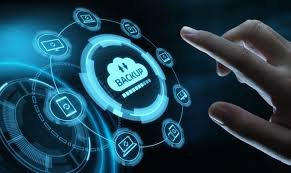
Step 2: Back Up Important Data
Before disposing of computers, laptops, smartphones, tablets, or servers, ensure you have backed up any important files.
This may include:
- Documents
- Photos
- Videos
- Financial records
- Business files
- Customer information
Backing up your data ensures nothing valuable is lost before the device is recycled or reused.
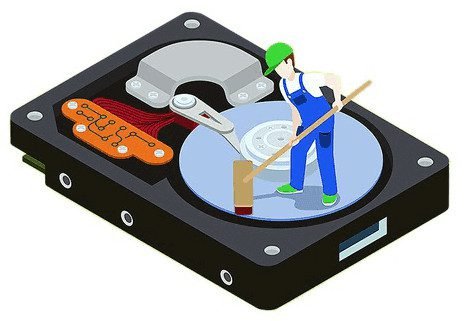
Step 3: Securely Erase Sensitive Information
Simply deleting files or formatting a hard drive does not permanently remove data.
Storage devices can still contain recoverable information such as:
- Passwords
- Financial records
- Customer databases
- Emails
- Personal photos
- Business documents
For individuals, using trusted data-wiping software may be sufficient. For businesses, the safest approach is certified data destruction, where storage devices are securely wiped or physically destroyed, and a certificate is issued as proof.
Step 4: Separate Electronic Waste from General Waste
Never mix electronic waste with household rubbish.
Instead:
- Store electronics in a dry, secure location.
- Keep batteries separate if required.
- Avoid dismantling devices yourself.
- Prevent damage that could release hazardous materials.
Proper separation makes recycling safer and more efficient.
Step 5: Choose a Licensed E-Waste Recycler
One of the most important steps is selecting a trusted and licensed electronic waste recycling company.
A professional recycler should provide:
- Responsible recycling processes
- Secure data destruction services
- Recycling certificates
- Environmentally compliant disposal
- Collection services
- Refurbishment where possible
As part of responsible e-waste management, working with a licensed recycler helps ensure your electronics are managed responsibly and in accordance with environmental regulations.
Step 6: Arrange for Collection
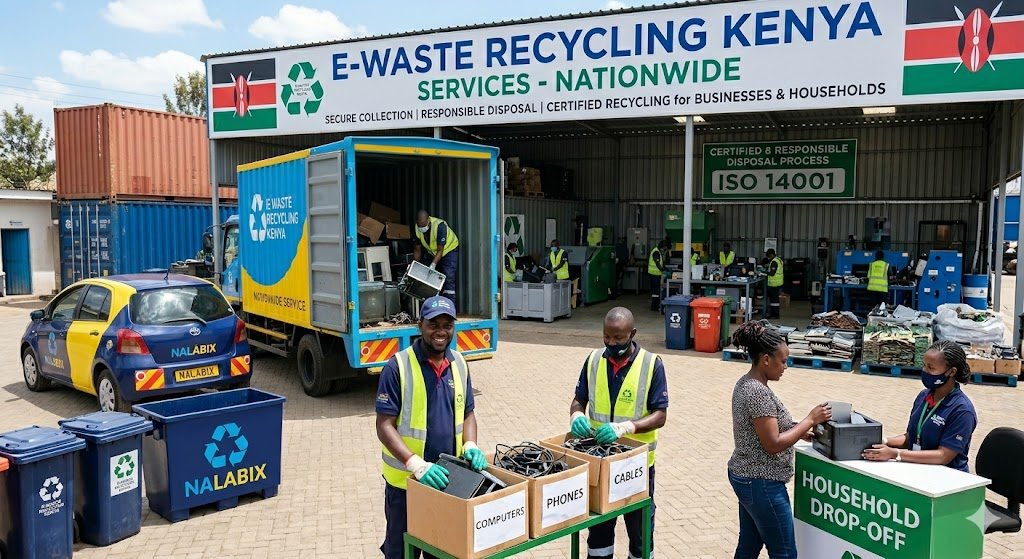
For businesses, schools, hospitals, NGOs, and government institutions, transporting large volumes of obsolete electronics can be challenging.
Many professional recyclers offer:
- On-site collection
- Scheduled pickups
- Nationwide collection services
- Corporate e-waste programmes
To simplify the disposal process, collection services make it easier to dispose of electronic waste safely without disrupting operations.
Step 7: Ensure Responsible Recycling
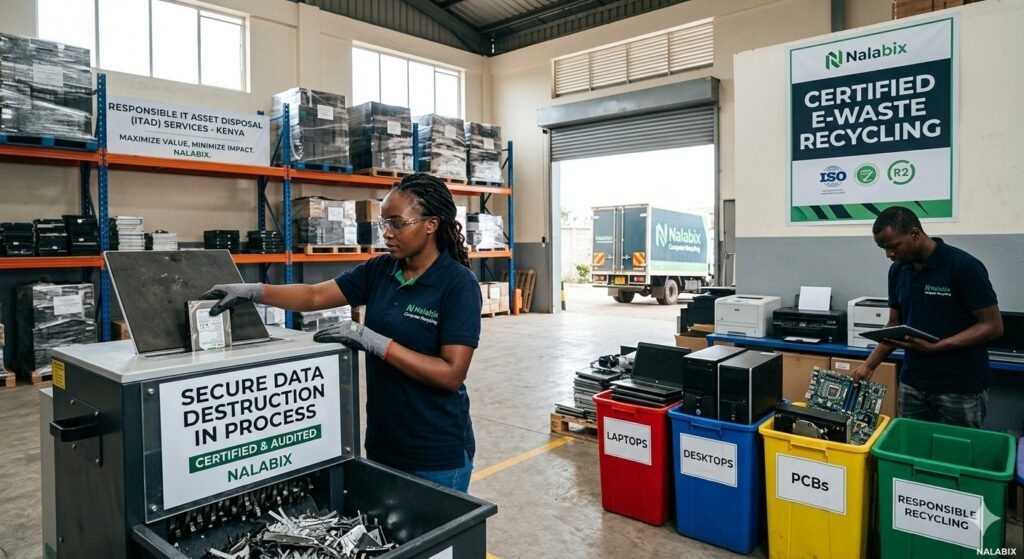
After collection, electronic waste should undergo a structured recycling process.
This typically includes:
Inspection
Devices are evaluated for reuse, refurbishment, or recycling.
Data Destruction
Storage devices are securely wiped or physically destroyed.
Dismantling
Equipment is separated into components such as metals, plastics, glass, and circuit boards.
Material Recovery
Valuable materials are recovered for use in new manufacturing processes.
Safe Disposal
Hazardous substances are treated and disposed of according to environmental standards.
What Should Never Be Done with E-Waste?
To protect the environment and your personal information, avoid these common mistakes:
Throwing electronics into household bins
Burning electronic devices
Dumping electronics illegally
Breaking devices apart without proper safety equipment
Selling computers without removing sensitive data
Storing obsolete electronics indefinitely
Each of these practices increases environmental, health, or security risks.
How Businesses Should Dispose of Electronic Waste
Organizations generate significant amounts of electronic waste through IT upgrades, office relocations, and equipment replacement.
A responsible disposal strategy should include:
- Maintaining an inventory of IT assets.
- Identifying equipment for reuse or refurbishment.
- Implementing secure data destruction.
- Partnering with a licensed IT Asset Disposal (ITAD) provider.
- Obtaining Certificates of Data Destruction and Recycling.
- Keeping records for compliance and ESG reporting.
This approach protects confidential information while demonstrating environmental responsibility.
Responsible E-Waste Disposal in Kenya
Against this backdrop, as Kenya continues to accelerate its digital transformation, the volume of obsolete electronic devices is also increasing across homes, businesses, schools, hospitals, and government institutions. Consequently, the need for responsible electronic waste management has never been greater.
Responsible disposal helps to:
- Reduce environmental pollution.
- Recover valuable materials.
- Prevent illegal dumping.
- Protect sensitive information.
- Support Kenya’s circular economy.
- Promote sustainable resource management.
To address this growing challenge, choosing a licensed recycler ensures electronic waste is handled safely, ethically, and responsibly.
How Nalabix Helps You Dispose of Electronic Waste Responsibly
Committed to sustainable waste management, Nalabix provides secure, environmentally responsible electronic waste management solutions for organizations and households across Kenya.
Our services include:
- Electronic waste collection
- IT equipment recycling
- Certified data destruction
- IT Asset Disposal (ITAD)
- Equipment refurbishment
- Certificates of Recycling and Data Destruction
- Nationwide collection services
- Sustainable electronic waste management
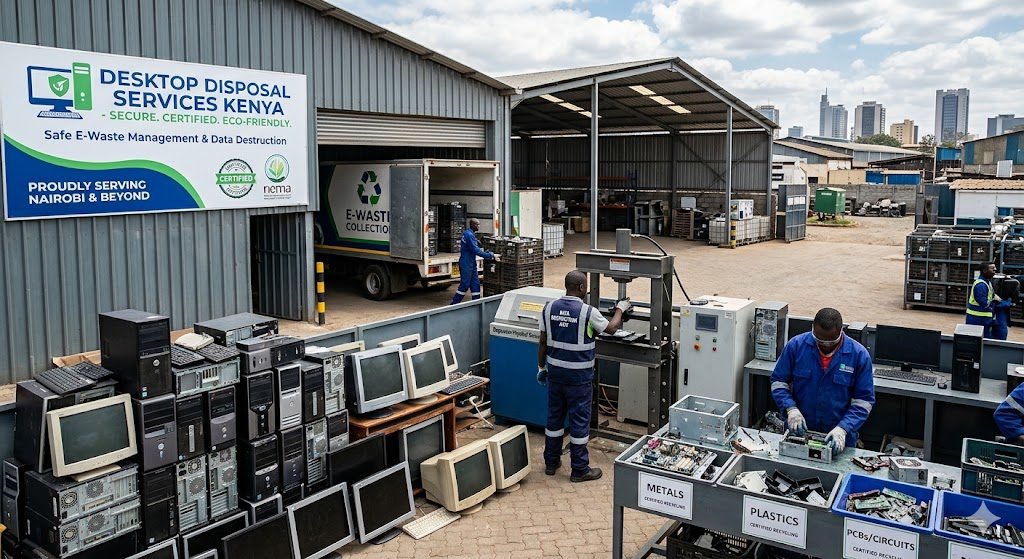
Whether you’re disposing of a single laptop or decommissioning an entire data centre, our experienced team ensures your electronic waste is managed securely, responsibly, and in line with environmental best practices.
Frequently Asked Questions
Can I throw electronic waste in my household bin?
No. Electronic waste contains materials that require specialized handling and should be collected separately for recycling.
What should I do before recycling a laptop or computer?
Back up important files and ensure all sensitive data is securely erased or destroyed before handing the device to a recycler.
Is donating electronics better than recycling?
If the device is still functional and safe to use, donation or refurbishment is often preferable because it extends the product’s lifespan. If it cannot be reused, recycling is the best option.
Why should businesses use certified data destruction services?
Certified data destruction helps prevent unauthorized access to confidential information and provides documented proof that sensitive data has been securely destroyed.
Final Thoughts
Ultimately, when all these factors are considered, disposing of electronic waste responsibly is about far more than simply getting rid of old devices. Rather, it is an opportunity to protect the environment, safeguard sensitive information, conserve valuable resources, and, in doing so, contribute to a more sustainable future.
Every computer, smartphone, printer, server, or household appliance contains materials that can either become a source of pollution or a valuable resource for new products. The difference lies in how we choose to manage them.
By repairing, donating, refurbishing, securely destroying data, and recycling through a trusted provider, individuals and businesses can play a meaningful role in reducing e-waste and advancing Kenya’s circular economy.
At Nalabix, we make responsible electronic waste disposal simple, secure, and environmentally friendly. Whether you’re a homeowner clearing out old electronics or an organization managing obsolete IT assets, we’re here to help you dispose of e-waste with confidence.