The Different Categories of Electronic Waste (E-Waste) Explained.
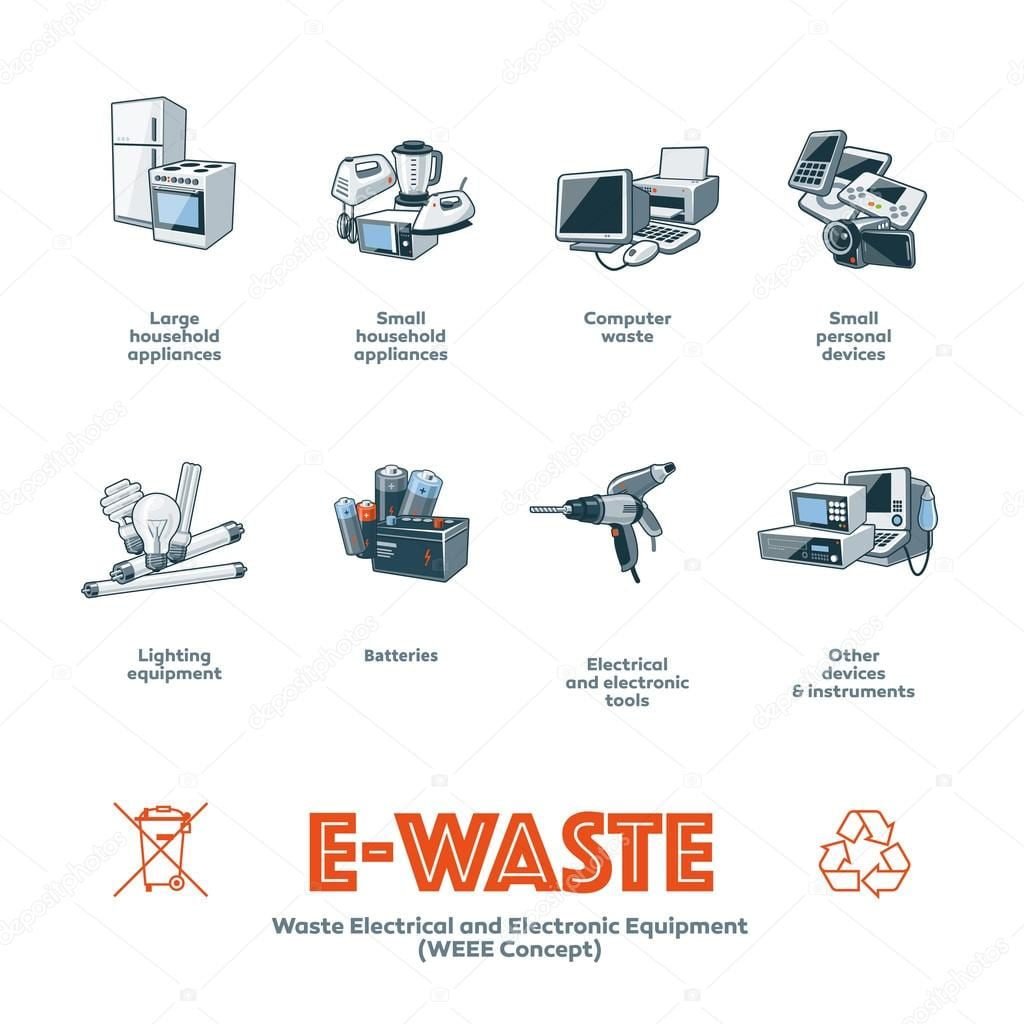
From smartphones and laptops to refrigerators and medical equipment, electronic devices have become indispensable in our daily lives. However, as technology advances and products reach the end of their useful life, they become electronic waste (e-waste). Many people assume e-waste only includes computers and mobile phones. In reality, electronic waste covers a wide range of electrical and electronic equipment used in homes, offices, industries, healthcare facilities, and educational institutions. Understanding the types of e-waste is essential for individuals, businesses, and organizations that want to dispose of obsolete electronics responsibly. Proper classification ensures devices are collected, recycled, refurbished, or disposed of safely, reducing environmental pollution while recovering valuable resources. In this guide, we’ll explore the major categories of electronic waste, provide practical examples, and explain why proper classification matters for sustainable e-waste management. What Is E-Waste and Why Classifying it Is Important. Electronic waste (e-waste) refers to discarded electrical and electronic equipment that is no longer wanted, functional, repairable, or economically viable to use.Not all electronic waste is handled the same way. Different devices contain different materials, components, and potential hazards. Understanding the category of each item also helps businesses and recycling companies determine the most appropriate treatment process. The Main Types of E-Waste Electronic waste is generally grouped into several broad categories based on the type of equipment and its intended use. 1. IT and Telecommunications Equipment This is one of the fastest-growing categories of e-waste due to rapid technological advancements and frequent hardware upgrades. Examples include: 2. Consumer Electronics Consumer electronics are everyday devices used for entertainment, communication, and home convenience. Examples include: These products often contain recyclable metals, plastics, and glass that can be recovered through responsible recycling. Many also contain refrigerants and other substances that require specialized handling during recycling. Separating these items from general waste helps recover valuable materials and reduces landfill pollution. 5. Lighting Equipment Lighting products require careful recycling because some contain hazardous substances. Examples include: Certain lighting products contain mercury and should never be disposed of with regular household waste. 6. Electrical and Electronic Tools These tools are commonly used in homes, workshops, and construction sites. Examples include: These devices often contain recyclable metals, motors, wiring, and electronic control boards. 7. Medical Equipment Healthcare facilities generate specialized electronic waste that requires secure handling. Examples include: Some devices may contain confidential patient information and require certified data destruction before recycling. 8. Monitoring and Control Equipment Used across industrial, commercial, and residential environments, these devices help monitor systems and automate operations. Examples include: 10. Batteries and Power Systems Although often overlooked, batteries require specialized recycling because they contain chemicals and valuable metals. Examples include: Improper disposal can lead to environmental contamination and fire hazards. Which Type of E-Waste Is Generated the Most? Globally, the largest contributors to electronic waste include: As technology evolves and product replacement cycles become shorter, these categories continue to grow. How Should Different Types of E-Waste Be Managed? Every category of e-waste should follow a structured management process. Step 1: Collection Separate electronic waste from general household or office waste. Step 2: Assessment Determine whether equipment can be repaired, refurbished, or recycled. Step 3: Data Destruction Securely erase or physically destroy storage devices before recycling. Step 4: Material Recovery Recover valuable metals, plastics, and glass for reuse. Step 5: Safe Disposal Handle hazardous materials according to environmental regulations. Frequently Asked Questions What are the main types of e-waste? The main categories include IT equipment, consumer electronics, household appliances, lighting equipment, electrical tools, medical devices, monitoring equipment, mobile devices, and batteries. Are batteries considered e-waste? Yes. Rechargeable and industrial batteries are considered electronic waste and should be recycled through approved collection programmes. Can all types of e-waste be recycled? Most electronic devices can be refurbished, dismantled, or recycled. However, the recycling process depends on the type of equipment and its condition. Why is data destruction important for IT equipment? Computers, laptops, servers, and storage devices often contain sensitive information. Certified data destruction protects organizations and individuals from data breaches before recycling. Final Thoughts Electronic waste is far more diverse than many people realize. From the smartphone in your pocket to the server powering your business and the refrigerator in your kitchen, nearly every electronic device will eventually reach the end of its lifecycle. Proper classification allows valuable materials to be recovered, hazardous substances to be handled safely, and reusable equipment to be refurbished rather than discarded. This not only protects the environment but also supports a more sustainable, circular economy. At Nalabix, we’re committed to helping businesses, institutions, and households across Kenya recycle every category of electronic waste securely and responsibly. Whether you’re disposing of obsolete IT equipment, household appliances, or industrial electronics, our expert team provides reliable solutions that protect your data, your business, and the environment.
History of Electronic Waste: From Technological Progress to a Global Sustainability Challenge.
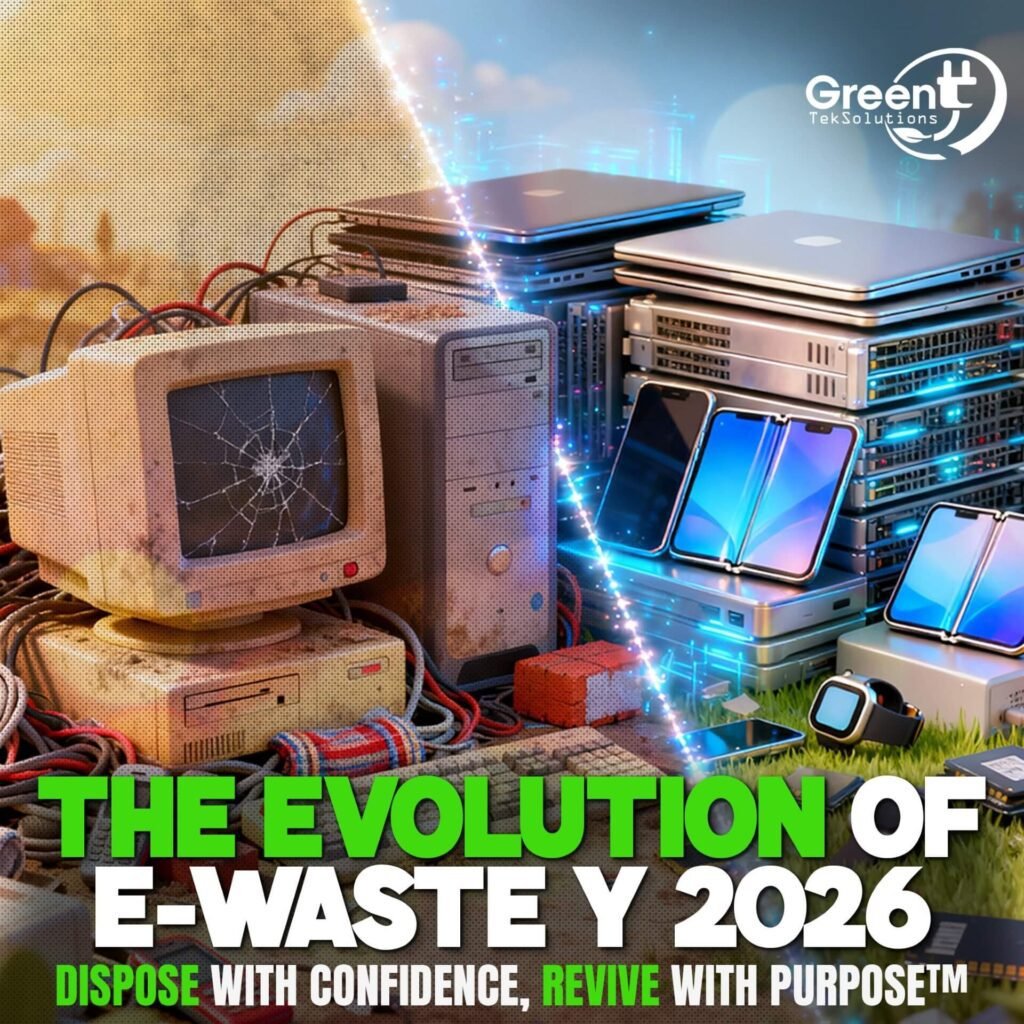
Electronic devices have transformed the way we live, work, learn, and communicate. From the invention of the radio and television to today’s smartphones, laptops, and smart home devices, technology has become an essential part of everyday life. However, every innovation comes with a challenge. As newer devices replace older ones at an increasingly rapid pace, the world generates millions of tonnes of electronic waste (e-waste) every year. The history of electronic waste is more than a story about discarded gadgets. It reflects the evolution of technology, changing consumer habits, industrial growth, and the growing need for sustainable waste management. Understanding this history helps explain why responsible e-waste recycling has become one of the most important environmental priorities of the 21st century. The Early Years of Electronics (1900s–1950s) The history of e-waste began with the rise of electrical and electronic inventions during the early 20th century. Households gradually adopted products such as: These products were expensive, built to last, and often repaired instead of replaced. Electronic waste was minimal because consumers typically used the same devices for many years. Durability—not rapid replacement—defined this era. The Computer Revolution (1980s–1990s) The widespread adoption of personal computers transformed businesses, schools, and homes. Desktop computers became essential tools for: However, computer technology advanced quickly. Businesses upgraded hardware every few years to improve speed, storage, and performance. Older computers, monitors, floppy drives, and printers accumulated rapidly, creating new waste management challenges that traditional recycling systems were not designed to handle. The Smartphone Revolution (2007–Present) The launch of modern smartphones fundamentally changed the electronics industry. Consumers now replace devices more often because of: Today, many households own multiple electronic devices, including: This rapid innovation has significantly increased the amount of electronic waste generated each year. The Evolution of E-Waste Recycling In the early years, obsolete electronics were often: As awareness grew, specialized recycling systems emerged. Modern electronic waste recycling now focuses on: These practices reduce pollution while recovering valuable materials for reuse. The Rise of the Circular Economy The history of electronic waste has also shaped a new way of thinking about products and resources. Instead of following the traditional “take, make, dispose” model, many organizations now embrace the circular economy, where products and materials remain in use for as long as possible. Key principles include: This approach reduces waste while conserving natural resources. Electronic Waste in Kenya Kenya has experienced rapid digital growth over the past two decades. Technology now plays a central role in: As organizations modernize their IT infrastructure and consumers upgrade devices, electronic waste continues to increase. Common challenges include: These challenges have created a growing demand for professional electronic waste management services. The Future of Electronic Waste The future of e-waste management depends on collaboration between governments, businesses, manufacturers, and consumers. Emerging trends include: Longer Product Lifecycles Manufacturers are increasingly designing products that are easier to repair and upgrade. Advanced Recycling Technologies Modern recycling facilities can recover more valuable materials with greater efficiency. Sustainable IT Asset Management Businesses are extending equipment lifecycles through refurbishment and responsible IT Asset Disposal (ITAD). Stronger Environmental Policies Governments around the world continue developing regulations that promote responsible electronic waste management. Smart Recycling Technologies Artificial intelligence, robotics, and automated sorting systems are improving recycling accuracy and efficiency. Frequently Asked Questions When did electronic waste become a major problem? Electronic waste began growing rapidly during the 1980s and 1990s with the widespread adoption of personal computers, followed by the rapid expansion of mobile phones, the internet, and consumer electronics. Why has e-waste increased so much? Technological innovation, shorter product lifecycles, increased consumer demand, and frequent hardware upgrades have significantly increased the amount of electronic waste generated worldwide. Was electronic waste always a problem? No. Early electronic products were expensive, durable, and commonly repaired rather than replaced. E-waste became a major issue as technology became more affordable and replacement cycles became shorter. Can the history of e-waste help us create better solutions? Yes. Understanding how e-waste evolved highlights the importance of designing longer-lasting products, encouraging repair and reuse, and investing in responsible recycling systems Final Thoughts The history of electronic waste mirrors the history of modern technology itself. What began with a handful of household electrical appliances has evolved into a global ecosystem of connected devices that power nearly every aspect of our lives. While this technological progress has brought enormous benefits, it has also created a responsibility to manage obsolete electronics wisely. Today, e-waste is no longer simply a disposal issue—it is an opportunity. Through refurbishment, secure data destruction, material recovery, and responsible recycling, discarded electronics can become valuable resources instead of environmental hazards. For Kenya, embracing sustainable e-waste management is essential to protecting natural resources, supporting the circular economy, and ensuring that technological growth goes hand in hand with environmental stewardship.
Why Is E-Waste a Problem? Understanding the Global Impact of Electronic Waste.
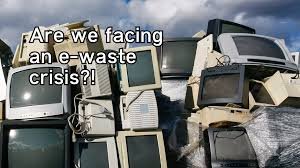
Every year, millions of people replace their smartphones, laptops, televisions, printers, and other electronic devices with newer models. While technological innovation has improved the way we live and work, it has also created one of the world’s fastest-growing waste streams—electronic waste (e-waste). What many people don’t realize is that old electronics don’t simply disappear when they’re thrown away. Instead, they often end up in landfills, informal recycling sites, or storage rooms, where they continue to pose environmental, health, and economic risks. So, why is e-waste a problem? The answer lies in the unique materials found inside electronic devices. While they contain valuable resources that can be recovered and reused, they also contain hazardous substances that require careful handling. Without responsible management, e-waste becomes a serious threat to people, businesses, and the environment. Why Is E-Waste a Growing Global Problem? Unlike ordinary household waste, electronic waste contains a complex mix of metals, plastics, glass, and hazardous chemicals. When managed responsibly, these materials can be recovered and reused. However, when electronics are dumped, burned, or dismantled using unsafe methods, they can contaminate the environment and endanger human health. Here are the biggest reasons why e-waste has become a global concern. 2. It Poses Serious Health Risks Improper handling of electronic waste can expose workers and nearby communities to dangerous chemicals. Health risks associated with unsafe e-waste processing include: Informal recycling practices, such as burning cables to recover copper or using acids to extract metals, are especially harmful because they release toxic fumes and residues. 3. Valuable Resources Are Wasted Electronic devices contain valuable raw materials, including: When electronics are discarded instead of recycled, these valuable resources are lost. Recovering materials through responsible recycling reduces the need for mining, conserves natural resources, and lowers the environmental impact of manufacturing new products. 6. E-Waste Increases Greenhouse Gas Emissions Manufacturing new electronics requires significant amounts of: When reusable devices are discarded instead of repaired or refurbished, additional resources are needed to manufacture replacements. By extending the lifespan of electronics and recycling valuable materials, businesses and consumers can reduce carbon emissions and conserve natural resources. 7. Improper Disposal Increases Business Costs Organizations that store obsolete IT equipment often face: A structured IT Asset Disposal (ITAD) programme helps businesses securely retire outdated technology while recovering value through refurbishment and recycling. The Solution: Sustainable Electronic Waste Management The good news is that e-waste is a problem with a practical solution. A sustainable approach to electronic waste management focuses on: Responsible Collection Collect obsolete electronics separately from general waste. Reuse and Refurbishment Repair and upgrade devices whenever possible to extend their useful life. Secure Data Destruction Protect confidential information before equipment is reused or recycled. Certified Recycling Recover valuable materials while safely handling hazardous components. Circular Economy Keep materials in use for as long as possible instead of sending them to landfills. How Businesses Can Reduce E-Waste Organizations can make a significant difference by adopting responsible IT lifecycle management. Best practices include: These measures reduce waste, improve sustainability, and strengthen ESG performance. How Nalabix Helps Solve the E-Waste Problem At Nalabix, we help organizations across Kenya reduce the environmental and security risks associated with electronic waste through secure, sustainable, and compliant e-waste management services. Our solutions include: By recovering valuable materials and ensuring safe disposal of hazardous components, we help businesses transform electronic waste into valuable resources while protecting the environment. Frequently Asked Questions Why is e-waste considered hazardous? Many electronic devices contain toxic substances such as lead, mercury, and cadmium. If these materials are released into the environment through improper disposal, they can contaminate soil, water, and air. Why can’t electronics be thrown into regular bins? Electronic devices require specialized recycling because they contain both hazardous materials and valuable resources. Mixing them with general waste increases environmental risks and prevents resource recovery. Can e-waste be recycled? Yes. Most electronic devices can be dismantled to recover metals, plastics, and glass, while hazardous components are safely managed through licensed recycling facilities. How can businesses reduce e-waste? Businesses can extend the lifespan of IT equipment, refurbish usable devices, implement secure IT Asset Disposal (ITAD), and partner with certified e-waste recyclers for responsible recycling. Final Thoughts E-waste is more than just a pile of old electronics—it’s a growing environmental, economic, and security challenge. Every discarded laptop, smartphone, server, or printer contains both valuable materials and potential hazards. When these devices are dumped, burned, or stored indefinitely, the consequences extend far beyond the individual owner. The good news is that e-waste is also one of the most manageable waste streams. Through responsible collection, refurbishment, secure data destruction, and certified recycling, businesses and households can reduce pollution, recover valuable resources, protect sensitive information, and contribute to a more sustainable future. At Nalabix, we’re committed to helping Kenya address the e-waste challenge with practical, compliant, and environmentally responsible solutions. Whether you’re retiring a single device or managing a large-scale IT upgrade, every responsible recycling decision helps build a cleaner, healthier, and more circular economy.
What Is Another Name for E-Waste? Common Terms Explained

You’ve probably heard the term e-waste, but did you know it goes by several other names depending on the country, industry, or context? Whether you’re reading an environmental report, government regulation, or recycling guide, you may come across terms such as electronic waste, WEEE, e-scrap, or end-of-life electronics. While these names may sound different, they all refer to the same growing environmental challenge—the safe management of discarded electronic and electrical devices. Understanding these terms is important because they often appear in recycling policies, sustainability reports, environmental regulations, and corporate waste management programmes. In this guide, we’ll explain the most common names for e-waste, what they mean, and why they are used. Other Names for E-Waste Depending on where you are in the world or the industry you’re working in, e-waste may be referred to by different names. 1. Electronic Waste This is the full version of the term and the most commonly used in environmental reports, educational materials, and public awareness campaigns. You’ll often see it used by: Example: “Electronic waste is one of the fastest-growing waste streams globally.” 2. Waste Electrical and Electronic Equipment (WEEE) WEEE is the official term widely used in Europe and the United Kingdom. It refers to Waste Electrical and Electronic Equipment, covering any electrical or electronic device that has reached the end of its useful life. The WEEE Directive established collection, recycling, and recovery requirements for electronic waste within the European Union. Although Kenya does not use the WEEE Directive, the term is frequently referenced in international recycling standards and sustainability discussions. 3. E-Scrap The recycling industry often uses the term e-scrap. E-scrap refers to discarded electronic devices that are dismantled to recover valuable materials such as: The word emphasizes the recycling and material recovery aspect of electronic waste. 4. End-of-Life Electronics (EOL Electronics) Many businesses and manufacturers use the phrase end-of-life electronics to describe equipment that has reached the end of its operational lifespan. Examples include: The term is common in IT Asset Disposal (ITAD), asset lifecycle management, and corporate sustainability programmes. 6. Discarded Electronics This is a general term used to describe electronics that owners no longer want or need. It commonly appears in educational materials and environmental awareness campaigns because it is easy for the public to understand. 7. Electronic Scrap Some industries use electronic scrap as another name for electronic waste. It generally refers to equipment that has been dismantled for recycling and material recovery rather than whole devices awaiting collection. Do These Terms Mean Exactly the Same Thing? Not always. While they all relate to electronic waste, some have slightly different meanings depending on context. Term Common Use Electronic Waste General term for discarded electronics E-Waste Shortened form of electronic waste WEEE Official European regulatory term E-Scrap Focuses on recyclable electronic materials End-of-Life Electronics IT lifecycle and asset management Obsolete Electronics Outdated but not necessarily broken equipment Electronic Scrap Electronics processed for recycling Despite these differences, they all describe electronic devices that require responsible management rather than disposal with ordinary waste. Electronic Waste in Kenya Kenya’s rapid digital transformation has increased the volume of obsolete electronic devices generated by businesses, government institutions, schools, healthcare facilities, and households. Whether referred to as: These devices should be collected, securely processed, and recycled by licensed electronic waste recyclers. Responsible management protects the environment while recovering valuable materials that can be reintroduced into manufacturing. Frequently Asked Questions Is e-waste the same as electronic waste? Yes. E-waste is simply an abbreviated form of electronic waste, and both terms refer to discarded electrical and electronic devices. What does WEEE stand for? WEEE stands for Waste Electrical and Electronic Equipment, a term commonly used in European regulations governing electronic waste collection and recycling. What is e-scrap? E-scrap refers to discarded electronic devices or components that are processed to recover valuable materials such as metals and plastics. Is every old electronic device considered e-waste? Generally, yes. Once an electronic device is no longer wanted, functional, or economically repairable, it becomes electronic waste and should be managed responsibly. Final Thoughts While electronic waste is the most common and widely understood name, you may also encounter terms such as e-waste, WEEE, e-scrap, end-of-life electronics, obsolete electronics, or electronic scrap. Each term reflects a slightly different perspective—whether regulatory, technical, or industry-specific—but they all point to the same responsibility: managing discarded electronics in a safe and sustainable way. As technology continues to evolve, understanding these terms helps individuals and organizations make informed decisions about recycling, data security, and environmental stewardship. By partnering with a trusted recycler like Nalabix, businesses and households across Kenya can ensure that obsolete electronics are collected, securely processed, and transformed into valuable resources instead of becoming environmental hazards.
Why Is It Called E-Waste? Understanding Electronic Waste
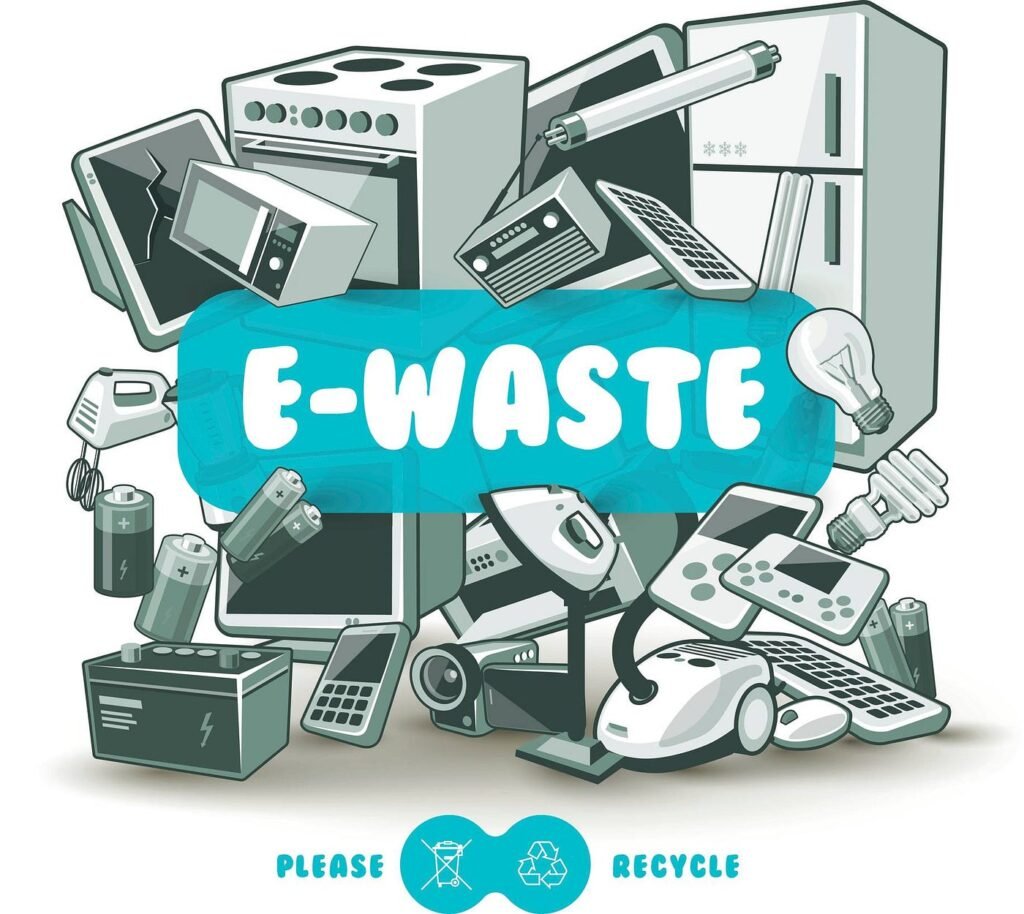
Have you ever wondered why it is called e-waste? The term is used so often that many people never stop to think about what it actually means. Yet understanding the name is the first step toward understanding one of the world’s fastest-growing environmental challenges. Every time you replace an old smartphone, retire a laptop, upgrade office computers, or dispose of a broken television, you are generating electronic waste, commonly known as e-waste. As technology evolves faster than ever, millions of electronic devices become obsolete each year, making e-waste one of the fastest-growing waste streams globally. But why exactly is it called e-waste, and why does that distinction matter? Let’s explore the meaning behind the name, what qualifies as e-waste, and why responsible management of electronic waste is becoming increasingly important in Kenya and around the world. What Does “E-Waste” Mean? The word e-waste is a shortened form of electronic waste. It combines two simple terms: When combined, electronic waste describes discarded electrical and electronic equipment that has reached the end of its useful life. In simple terms: E-waste is any unwanted, obsolete, broken, or end-of-life electronic device that requires responsible collection, recycling, refurbishment, or disposal. Why Was the Term “E-Waste” Created? Before the rapid growth of computers, mobile phones, and digital technology, most waste consisted of paper, plastics, glass, metals, and organic materials. As electronic devices became more common, governments, environmental organizations, and recycling industries realized that discarded electronics presented unique challenges. A new term was required to distinguish these products from general waste. “Electronic waste,” or “e-waste,” became the widely accepted name for discarded electronic and electrical equipment requiring specialized handling. Is E-Waste the Same as Electronic Waste? Yes. The two terms mean exactly the same thing. You may see: While different countries and organizations use different terminology, they all refer to discarded electronic devices that should be collected and processed responsibly rather than thrown away with general waste. What Is Considered E-Waste? Many people assume e-waste only refers to computers and mobile phones. In reality, the category is much broader. Examples of e-waste include: Computers and IT Equipment Office Equipment Electrical Accessories If it contains electronic components, batteries, or electrical circuits and is no longer functional, it is likely an e-waste. Why Is E-Waste Different from Ordinary Waste? Electronic waste requires special attention because it contains both valuable resources and hazardous materials. Why Is E-Waste Becoming a Global Problem? Technology is evolving at an unprecedented pace. Manufacturers release new devices every year, encouraging consumers and businesses to replace older equipment more frequently. Several factors contribute to the rapid growth of e-waste: As a result, millions of tonnes of electronic waste are generated annually, making responsible recycling more important than ever. Why Responsible E-Waste Recycling Is Important in Kenya Kenya is experiencing rapid growth in technology adoption across businesses, schools, healthcare facilities, financial institutions, and households. As more electronic devices reach the end of their lifespan, the need for responsible e-waste management continues to grow. Improper disposal can lead to: Frequently Asked Questions Why is it called e-waste instead of electronic rubbish? Environmental organizations, governments, and the recycling industry internationally recognize the term “e-waste” to describe discarded electronic and electrical equipment that requires specialized management. Is every electronic device considered e-waste? No. An electronic device only becomes e-waste when it is unwanted, obsolete, broken, or has reached the end of its useful life. Why e-waste should not be thrown into normal bins? Electronic devices often contain hazardous materials and valuable resources. Throwing them away with general waste can pollute the environment and waste recyclable materials. Final Thoughts The term “e-waste” may sound simple, but it represents one of the most significant environmental challenges of the digital age. It reminds us that electronic devices don’t simply disappear when we stop using them—they continue to have an impact on our environment, our economy, and our communities. Understanding why it is called e-waste helps us recognize that obsolete electronics require more than ordinary disposal. They deserve responsible collection, secure data destruction, refurbishment where possible, and environmentally sound recycling. As Kenya continues to embrace technology and digital transformation, responsible e-waste management will play a critical role in protecting natural resources, reducing pollution, and building a sustainable circular economy.
Eco-Friendly Business: Building a Sustainable Future Through Responsible Business Practices.
Sustainability is no longer just a corporate trend—it’s a business necessity. Customers, investors, employees, and regulators increasingly expect organizations to operate responsibly, reduce their environmental footprint, and contribute to a greener future. Businesses that embrace sustainability not only help protect the planet but also gain a competitive advantage through improved efficiency, stronger brand reputation, and long-term resilience. An eco-friendly business integrates environmentally responsible practices into every aspect of its operations, from energy use and waste management to procurement, technology, and product lifecycle management. By reducing waste, conserving resources, and adopting circular economy principles, businesses can lower operating costs while creating lasting environmental and social impact. At Nalabix, we help organizations across Kenya become more sustainable through secure electronic waste recycling, IT asset disposal (ITAD), certified data destruction, and circular economy solutions that support responsible business growth. Sustainability is not limited to large corporations—small and medium-sized enterprises (SMEs), NGOs, schools, government institutions, and startups can all adopt eco-friendly business practices. Sustainable businesses are better positioned to thrive in an economy that increasingly values environmental responsibility. Key Characteristics of an Eco-Friendly Business Responsible Waste Management Eco-friendly businesses reduce, reuse, and recycle waste wherever possible. This includes: Proper waste management reduces landfill use and conserves valuable resources. Sustainable IT Management Technology is essential for business, but it also generates significant electronic waste. Sustainable IT practices include: Partnering with licensed recyclers such as Nalabix ensures obsolete electronics are managed securely and sustainably. Energy Efficiency Reducing energy consumption lowers operating costs and carbon emissions. Examples include: Sustainable Procurement Eco-friendly businesses choose suppliers and products that prioritize environmental responsibility. This may include: Practical Ways to Make Your Business More Eco-Friendly Every organization can begin its sustainability journey with practical, measurable actions. Reduce Energy Consumption Reduce Paper Usage Recycle Responsibly Manage Electronic Waste Sustainably Encourage Employee Participation By helping businesses recover valuable resources and reduce electronic waste, Nalabix enables organizations to operate more sustainably while protecting confidential information and the environment. Frequently Asked Questions What is an eco-friendly business? An eco-friendly business is an organization that minimizes its environmental impact by adopting sustainable practices such as recycling, energy efficiency, responsible waste management, and resource conservation. Why should businesses become eco-friendly? Eco-friendly businesses reduce costs, strengthen brand reputation, improve compliance, attract environmentally conscious customers, and support long-term sustainability. How does electronic waste management support sustainability? Responsible e-waste management prevents pollution, protects sensitive data, recovers valuable materials, and supports the circular economy. Can small businesses become eco-friendly? Absolutely. Small businesses can implement simple initiatives such as reducing paper use, improving energy efficiency, recycling electronic waste, and purchasing sustainable products. Nalabix is proud to help organizations across Kenya achieve their sustainability goals through professional electronic waste recycling, secure IT asset disposal, certified data destruction, and circular economy solutions. Partner with Nalabix today and take the next step toward building a cleaner, more sustainable, and environmentally responsible business.
Green Technology: Driving Sustainable Innovation for a Greener Future.
Kenya is emerging as a leader in green technology and sustainable innovation across Africa. From renewable energy and electric mobility to smart agriculture and e-waste recycling, the country is embracing technologies that reduce environmental impact while driving economic growth. From renewable energy systems and energy-efficient buildings to electric vehicles and responsible electronic waste recycling, green technology is reshaping how we produce, consume, and dispose of resources. At Nalabix, we believe green technology extends beyond clean energy. It also includes sustainable electronic waste management, IT asset lifecycle management, responsible recycling, and circular economy practices that protect both the environment and future generations. Unlike traditional technologies that often rely on resource-intensive processes, green technologies prioritize sustainability throughout a product’s lifecycle. Key Areas of Green Technology Electronic Waste Recycling Electronic devices contain valuable materials such as gold, copper, aluminium, and rare earth metals that can be recovered and reused. Professional e-waste recycling: Nalabix helps organizations recycle obsolete electronics responsibly through secure collection, certified data destruction, refurbishment, and environmentally compliant recycling. Sustainable IT Asset Management Organizations can reduce environmental impact by extending the lifecycle of IT equipment through: This reduces electronic waste while maximizing the value of technology investments. Renewable Energy Renewable energy technologies generate electricity from naturally replenishing resources, including: These technologies reduce dependence on fossil fuels and lower greenhouse gas emissions. Energy-Efficient Technologies Modern innovations help reduce energy consumption through: Lower energy use translates into reduced operational costs and environmental impact. Green Technology and the Circular Economy Green technology plays a critical role in supporting the circular economy, where products and materials are kept in use for as long as possible. Instead of the traditional “take, make, dispose” model, the circular economy focuses on: For example, instead of discarding old laptops, organizations can securely erase data, refurbish functional devices, and recycle non-reusable components. This reduces environmental impact while recovering valuable materials. Frequently Asked Questions What is green technology? Green technology refers to products, systems, and processes that reduce environmental impact, conserve natural resources, and promote sustainable development. Why is green technology important? It helps reduce pollution, improve energy efficiency, conserve resources, combat climate change, and support a circular economy. Is electronic waste recycling considered green technology? Yes. Responsible electronic waste recycling is a key component of green technology because it recovers valuable materials, reduces pollution, and minimizes landfill waste. How can businesses adopt green technology? Businesses can improve energy efficiency, recycle electronic waste, extend the lifespan of IT equipment, implement renewable energy, and integrate sustainability into their operations. Nalabix is proud to support Kenya’s green transition through secure electronic waste recycling, IT asset management, certified data destruction, and circular economy solutions. Together, we can transform obsolete electronics into valuable resources and create lasting environmental impact. Ready to embrace green technology? Contact Nalabix today and discover how our sustainable e-waste management solutions can help your organization build a greener future.
IT Equipment Recycling in Kenya | Secure & Sustainable IT Recycling.
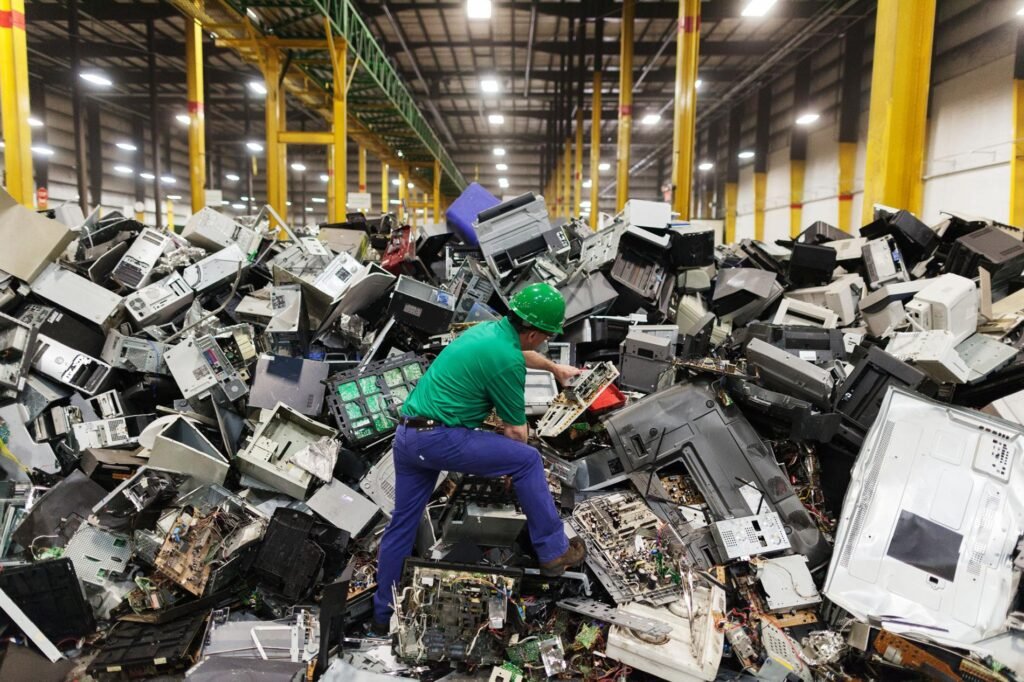
As Kenya’s technology adoption continues to accelerate, the country is facing a growing electronic waste challenge. With more than 53,500 metric tonnes of e-waste generated in 2024 alone, the need for responsible IT equipment recycling has become increasingly urgent. From outdated computers and servers to mobile devices and peripherals, businesses and institutions require secure, sustainable solutions to manage retired technology while protecting data and reducing environmental impact. But IT equipment recycling is about more than clearing office space.Beyond simply disposing of outdated technology, IT equipment recycling in Kenya has become a legal obligation, a data security priority, and an environmental responsibility. This guide explores everything you need to know about the IT recycling landscape in Kenya, including current practices, key regulations, and how Nalabix helps businesses manage the process securely, compliantly, and sustainably. What Is IT Equipment Recycling? IT equipment recycling is the process of responsibly managing end-of-life information technology (IT) devices by recovering reusable components and recyclable materials while ensuring hazardous substances are safely handled. Rather than sending old electronics to landfills, professional recycling extends the value of IT assets through: Secure collection and transportation Asset inventory and tracking Certified data destruction Equipment refurbishment and reuse Material recovery and recycling Recycling certificates and reporting A comprehensive recycling programme helps organizations reduce waste, improve sustainability, and maintain data security. Why IT Equipment Recycling Matters in Kenya As Kenya’s digital economy continues to expand, the adoption of new technologies is accelerating across businesses, institutions, and households. This rapid growth has also contributed to a rise in electronic waste, creating a greater need for responsible and sustainable e-waste management solutions. Without responsible recycling, obsolete IT equipment often ends up: The IT Equipment Recycling Process. Professional IT recycling involves more than simply dismantling electronics. Benefits of IT Equipment Recycling Protects the Environment Proper recycling prevents hazardous materials from contaminating soil, water, and air while reducing landfill waste. Safeguards Sensitive Data Certified data destruction ensures confidential business information cannot be recovered from retired devices. Supports the Circular Economy Recovered materials are reused to manufacture new products, reducing waste and conserving natural resources. Helps Meet Compliance Requirements Responsible recycling supports environmental policies, internal governance, and sustainability objectives. Maximizes Asset Value Reusable equipment can be refurbished or remarketed, helping organizations recover value from retired IT assets. Improves ESG Performance IT equipment recycling demonstrates environmental responsibility and supports corporate Environmental, Social, and Governance (ESG) goals To ensure a seamless and responsible recycling process, our experienced team carefully manages every IT asset with security, accountability, and compliance in mind. We follow Kenyan environmental regulations at every stage, helping organisations dispose of their technology safely while supporting sustainable e-waste management practices. Recycle Your IT Equipment Responsibly with Nalabix Every retired computer, server, laptop, or networking device contains valuable materials—and may also hold sensitive data that requires careful handling. As a result, working with a professional IT equipment recycling partner helps ensure secure, responsible, and sustainable asset recovery. Nalabix helps organizations across Kenya protect confidential data, recover valuable resources, reduce electronic waste, and achieve their environmental goals through trusted IT equipment recycling services. Whether you’re upgrading office computers, replacing network infrastructure, or decommissioning a data centre, our team provides secure collection, certified data destruction, refurbishment, and environmentally responsible recycling. Contact Nalabix today to schedule your IT equipment recycling service and contribute to a cleaner, greener, and more sustainable Kenya. Industries That Benefit from IT Equipment Recycling. Nalabix provides IT equipment recycling services to organizations across all sectors. Banking & Financial Services Secure recycling of IT equipment while protecting sensitive customer information. Healthcare Responsible disposal of healthcare IT equipment and secure destruction of patient data. Government Institutions Environmentally compliant recycling of public sector technology assets. Schools & Universities Recycling outdated computers, networking equipment, and classroom technology. Corporate Businesses Managing end-of-life laptops, desktops, servers, and office electronics. Data Centres Secure recycling and decommissioning of enterprise infrastructure. NGOs & Development Organizations Supporting sustainability initiatives through responsible electronic waste management. Frequently Asked Questions What is IT equipment recycling? IT equipment recycling is the responsible collection, refurbishment, dismantling, and recycling of obsolete IT devices while protecting sensitive data and recovering valuable materials. Can old computers be refurbished instead of recycled? Yes. Equipment in good condition can often be repaired, upgraded, and reused before recycling becomes necessary. Is data destroyed before recycling? Absolutely. All storage devices should undergo certified data destruction before equipment is refurbished or recycled. Do businesses receive proof of recycling? Yes. Nalabix provides Certificates of Recycling and Data Destruction to support compliance, audits, and sustainability reporting.
IT Asset Disposal in Kenya: The Complete Guide to Secure, Compliant, and Profitable ITAD.

When IT equipment reaches end-of-life, most businesses focus on the replacement cost. But what happens to the outgoing assets matters just as much—if not more. Poorly managed IT asset disposal exposes your organization to data breaches, regulatory fines, and reputational damage. Done right, however, IT Asset Disposition (ITAD) can be secure, audit-proof, and even cost-neutral. This guide covers everything Kenyan businesses need to know about ITAD: the legal landscape, the risks of doing it wrong, and how Nalabix helps you retire assets with confidence. The Emerging E-Waste Legislation A new Electronic Equipment Disposal, Recycling and Reuse Bill (2025) was passed in Parliament. It proposed: With Kenya generating approximately 72,000 metric tonnes of e-waste annually but collecting less than 7 percent, the push for structured disposal is intensifying. Organizations that adopt certified ITAD now position themselves ahead of the compliance curve 3. Data Wiping vs. Physical Destruction: The Key Decision Choosing the right data sanitization method depends on your risk tolerance, compliance requirements, and asset reuse goals. NIST 800-88 Purge (Software Wiping) Software-based wiping overwrites existing data with random patterns, rendering it unrecoverable. Pros Cons Devices can be resold or reused Time-consuming for large drives Value recovery offsets program costs Ineffective on physically damaged drives Verification logs provided Not suitable for mixed/unknown custody Best for: Standardized endpoints with known custody and lower sensitivity data. Physical Destruction (On-Site Shredding) Physical destruction pulverizes hard drives and SSDs into tiny pieces, making data recovery impossible Pros Cons Irreversible—data cannot be recovered Device cannot be reused Ideal for high-sensitivity data No value recovery potential Can be witnessed by your team Higher per-unit cost Best for: High-sensitivity data, regulatory requirements, mixed or unknown custody. The Nalabix approach: We can wipe assets for reuse (lowering net cost) and shred high-risk media to eliminate exposure—per batch, per device Frequently Asked Questions What is IT Asset Disposal (ITAD)? IT Asset Disposal is the secure process of retiring obsolete IT equipment through data destruction, refurbishment, recycling, and environmentally responsible disposal. Why is IT Asset Disposal important? It protects sensitive data, reduces environmental impact, supports compliance, and helps organizations recover value from retired IT assets. Can old IT equipment be refurbished instead of recycled? Yes. Equipment in good condition may be refurbished, upgraded, or remarketed before recycling, extending its useful life and reducing waste. Does Nalabix provide Certificates of Data Destruction? Yes. Clients receive detailed documentation, including Certificates of Data Destruction and Recycling, providing proof of secure and compliant disposal. Final Thoughts: Don’t Let Retired Assets Become Your Biggest Risk IT asset disposal is not just about clearing space—it’s about protecting your business from breaches, fines, and compliance failures. Kenya’s regulatory landscape is tightening, and the consequences of getting it wrong are severe. At Nalabix, we make ITAD simple, secure, and cost-effective. Whether you need on-site shredding, NIST-certified wiping, or value recovery through resale, our team delivers audit-ready results nationwide.
Data Destruction in Kenya | Certified Secure Data Destruction Services
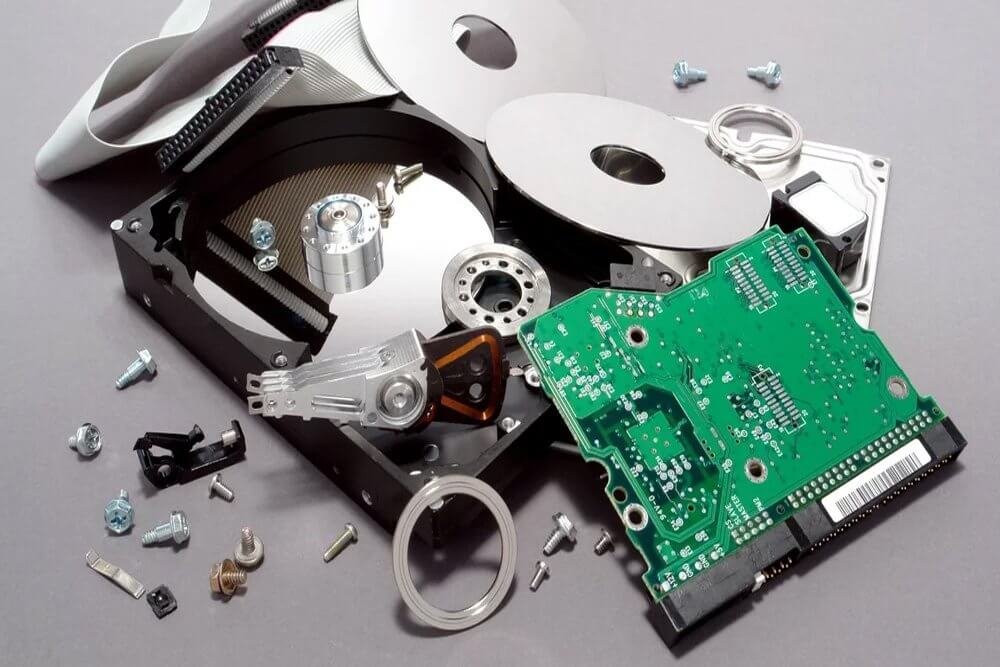
In today’s digital age, data is the lifeblood of any organization. But what happens to that data when your IT equipment reaches the end of its life? In Kenya, the conversation around data privacy and security has shifted from a “good to have” to a critical business imperative. From the Data Protection Act to the rising tide of cyber threats, Kenyan businesses face a complex legal and security landscape. For many, the final stage of a data’s lifecycle—its destruction—remains the weakest link. This blog is your comprehensive guide to understanding data destruction in Kenya, its legal importance, and how it protects your business. At Nalabix, we are your certified partner in turning this risk into a secure, compliant, and environmentally responsible process. Why Data Destruction is Non-Negotiable in Kenya Data destruction is the process of permanently erasing or physically destroying data stored on hard drives, SSDs, and other digital media. The goal is to ensure that data can never be recovered and misused by unauthorized parties . For businesses in Kenya, the reasons to prioritize this are compelling. The Legal Imperative: Kenya’s Data Protection Act, 2019 Kenya’s Data Protection Act (DPA) of 2019 is not just a set of guidelines; it is the law. It mandates responsible data handling across its entire lifecycle, including its final disposal . The law gives individuals the “right to erasure,” meaning they can request the deletion of their personal data when it is no longer needed . Failure to comply can lead to severe penalties. The Office of the Data Protection Commissioner (ODPC) can impose administrative fines of up to KES 5 million or 1% of an undertaking’s annual turnover . Beyond the financial penalty, non-compliance can damage your reputation and erode customer trust. When a device is improperly disposed of, it can become a goldmine for cybercriminals. Secure data destruction ensures that even if hardware falls into the wrong hands, your sensitive information is irretrievable. Data Wiping vs. Physical Destruction: What’s the Difference? Choosing the right method is key to balancing security, cost, and environmental impact. The two main approaches are software-based wiping and physical destruction. At Nalabix, we help you choose the optimal strategy. We can wipe assets for reuse to lower program costs and shred high-risk media to eliminate exposure. Our team of experts can guide you through this based on your industry, data sensitivity, and business goals . Final Thoughts: Don’t Gamble with Your Data. Data destruction is not just about throwing away old hardware. It’s about protecting your business from severe financial penalties, reputational damage, and devastating data breaches. It’s about adhering to Kenyan law and safeguarding your clients’ and employees’ privacy. At Nalabix, we combine security, compliance, and sustainability to provide a seamless and worry-free process. Secure your business future. Choose certified data destruction.Contact Nalabix today for a quote or to schedule a pickup. Our team of experts is ready to help you securely retire your IT assets. This article is for informational purposes only and does not constitute legal advice. Please consult with a legal professional for specific guidance on compliance.