How E-Waste Pollutes Water Sources in Kenya
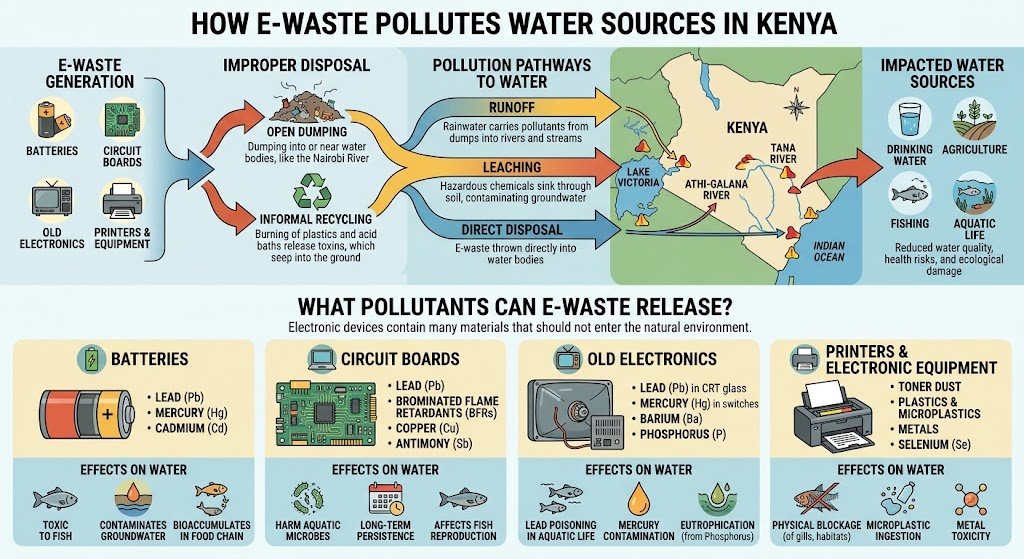
Electronic waste, or e-waste, is more than an unsightly pile of old computers, phones, batteries and appliances. When poorly disposed of, it can become a serious source of water pollution. Across Kenya, discarded electronics are often mixed with general waste and taken to open dumpsites. When rain falls, water can pass through this waste, pick up hazardous substances and carry them into soil, groundwater, rivers, streams, dams and other water sources. NEMA identifies poor e-waste disposal as a cause of soil, land and water pollution. How Does E-Waste Get Into Water? One of the main pathways is leaching. When electronic waste is dumped on bare ground, rainwater can seep through the waste. As it moves, it may dissolve or carry contaminants from batteries, circuit boards, cables and other electronic components. The contaminated water, known as leachate, can then move into surrounding soil and eventually reach groundwater or nearby surface water. The problem can become worse when e-waste is dumped near: NEMA notes that leachates from dumpsites can release pollutants from e-waste into the soil and surrounding environment. What Pollutants Can E-Waste Release? Electronic devices contain many materials that should not enter the natural environment. Some examples include: 🔋 Batteries – Certain batteries may contain hazardous substances such as lead, mercury or cadmium. 💻 Circuit boards – May contain metals and other substances that can contaminate soil and water. 📺 Old electronics – Components from older equipment may contain lead and other hazardous materials. 🖨️ Printers and electronic equipment – Toners, plastics, metals and electronic components can contribute to contamination when improperly discarded. Kenya’s e-waste guidelines identify substances including lead, cadmium, chromium and mercury among hazardous materials associated with electronic waste. Some of these substances can be harmful to aquatic environments. The Battery Problem in Kenya Batteries deserve particular attention because they are frequently thrown away together with ordinary household waste. Kenya’s National Solid Waste Management Strategy notes that some alkaline, rechargeable and silver-oxide batteries contain hazardous substances such as mercury and cadmium. It also highlights the historical challenge of limited dedicated facilities for some battery types, resulting in batteries being disposed of alongside general waste. The Eveready Example in Nakuru Nakuru has a long history with battery manufacturing. Eveready East Africa operated a major battery manufacturing facility in Nakuru, which eventually closed in 2014. The wider lesson from Nakuru is important: batteries and battery-related waste require controlled handling and should never be treated as ordinary household rubbish. Nakuru continues to face broader waste-management challenges. The county and NEMA have worked on establishing better e-waste collection and management systems to reduce the environmental impact of discarded electronics. Why Is E-Waste Pollution Dangerous to Water? Once hazardous substances enter water, they can affect more than the water itself. Contaminated water can potentially affect: Some contaminants can persist in the environment and accumulate in organisms, creating risks that extend through the food chain. Protecting Water Starts With Responsible E-Waste Disposal Water pollution from e-waste does not always happen suddenly. Sometimes it begins with something as small as a discarded battery, phone or computer component. Once rainwater carries contaminants through a dumpsite, the pollution can move beyond the original disposal site and affect surrounding soil and water. For Kenya, responsible e-waste collection, recycling and disposal is therefore an important part of protecting our rivers, lakes, groundwater and communities. Don’t let yesterday’s electronics become tomorrow’s water pollution. Dispose of e-waste responsibly. Frequently Asked Questions Can e-waste contaminate groundwater?Yes. When rainwater passes through improperly disposed e-waste, it can carry contaminants into soil and potentially groundwater. Which e-waste items are most concerning for water pollution?Batteries, circuit boards, old electronic equipment and other components containing hazardous substances require careful handling. Can batteries be thrown in normal rubbish?They should not be treated as ordinary household waste. Batteries should be collected separately and sent to appropriate recycling or disposal channels. Does burning e-waste pollute water?Yes, indirectly. Burning can release hazardous substances into the air and leave contaminated ash and residues that can later enter soil and water. How can businesses prevent e-waste pollution?Businesses should work with responsible e-waste handlers for collection, sorting, recycling, data destruction where required, and proper documentation of end-of-life equipment. In Kenya, responsible e-waste management protects more than the environment — it helps protect the water resources communities depend on every day.
Toxic Materials Found in Electronic Waste
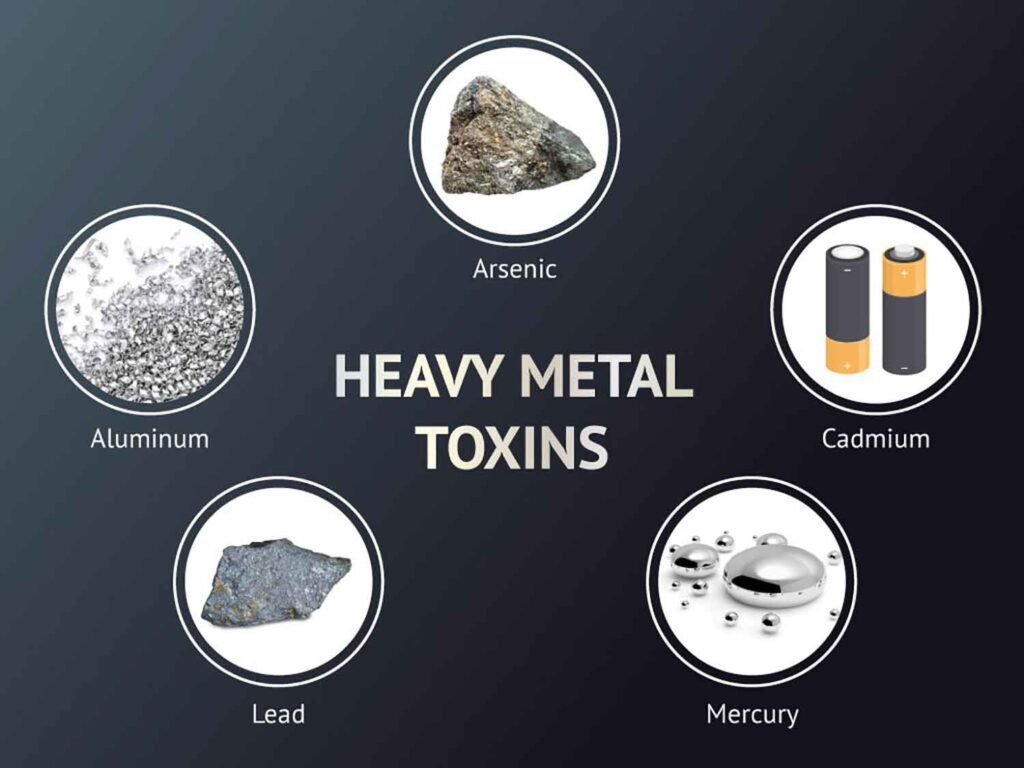
Electronic waste (e-waste) includes discarded computers, phones, televisions, printers, batteries, appliances, and other electronic devices. While many of these products contain valuable materials that can be recovered and recycled, they may also contain toxic substances that can harm people and the environment when e-waste is poorly handled. Understanding these hazardous materials is important for households, businesses, and organizations looking for safe and responsible e-waste disposal in Kenya. What Makes E-Waste Toxic? Electronic devices contain a combination of metals, plastics, chemicals, and other components. When equipment is dismantled, burned, crushed, or dumped improperly, some hazardous substances can be released into the environment. The main toxic materials commonly associated with e-waste include: 1. Lead Lead can be found in older electronic equipment, including certain circuit boards, solder, batteries, and displays. Improper disposal can allow lead to enter soil, water, and dust. Long-term exposure can be particularly harmful to the nervous system and can pose serious risks to children. 2. Mercury Mercury has historically been used in some switches, lamps, displays, and other electronic components. When mercury-containing equipment is broken or improperly disposed of, mercury can contaminate the environment. It can also accumulate in living organisms and affect the nervous system. 3. Cadmium Cadmium may be present in rechargeable batteries, circuit boards, and certain electronic components. It is considered a hazardous substance because prolonged exposure can affect the kidneys, bones, and respiratory system. 4. Hexavalent Chromium Some older electronic equipment contains chromium compounds used for corrosion protection and other applications. Certain forms, particularly hexavalent chromium, can be hazardous to human health and the environment if released through improper handling. 5. Brominated Flame Retardants Brominated flame retardants have been used in plastics, circuit boards, cables, and electronic housings to reduce fire risks. Some types can persist in the environment and may create harmful emissions when electronic plastics are burned in uncontrolled conditions. 6. Beryllium Beryllium can be found in certain electronic connectors, switches, and other specialized components. Dust generated during unsafe dismantling or processing can create health risks, particularly for workers who are repeatedly exposed without appropriate protection. 7. Arsenic Arsenic compounds have been used in certain semiconductor and electronic applications. Improper handling of electronic components containing arsenic can result in environmental contamination and potential health risks. 8. Lithium and Other Battery Materials Modern electronics contain batteries that may include lithium and other chemical materials. Damaged or improperly handled batteries can leak, overheat, ignite, or cause fires. Batteries should therefore be separated from general waste and handled through appropriate recycling channels. How Toxic Materials Enter the Environment The biggest problem is not simply that these substances exist inside electronics. The risk increases when devices are handled incorrectly. Common examples include: These practices can release hazardous substances into air, soil, and water. Why Proper E-Waste Recycling Matters Responsible e-waste recycling helps separate valuable materials from hazardous components. Metals such as aluminium, copper, steel, and other recoverable materials can be processed for reuse, while hazardous components can be managed through appropriate treatment and disposal processes. For businesses, proper e-waste management also helps reduce environmental risks, improve sustainability practices, and support compliance with applicable environmental requirements in Kenya. How Should Toxic E-Waste Be Handled? Electronic waste should not be treated like ordinary household rubbish. Instead: For organizations disposing of computers, servers, hard drives, and other IT equipment, secure IT Asset Disposition (ITAD) can combine environmentally responsible recycling with data destruction and asset tracking. Electronic devices make modern life easier, but they can contain lead, mercury, cadmium, brominated flame retardants, and other hazardous substances. When e-waste is burned, dumped, or improperly dismantled, these materials can pose risks to people and the environment. The solution is responsible collection, safe handling, recycling, and proper disposal. By choosing professional e-waste recycling services in Kenya, businesses and households can recover valuable resources while reducing the environmental impact of electronic waste. Dispose responsibly. Recycle safely. Protect the environment.
The Future of E-Waste Recycling in Kenya
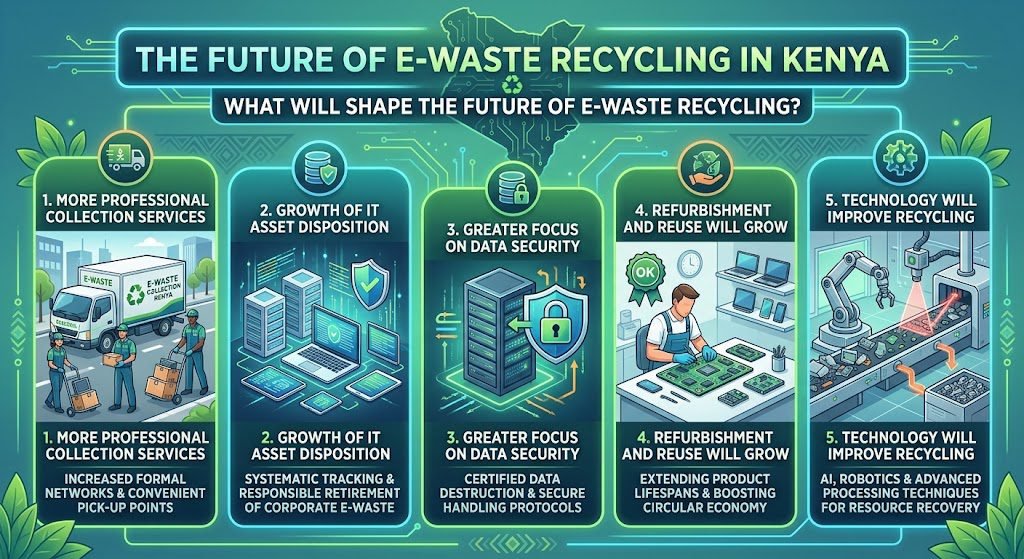
Kenya is becoming increasingly digital. From smartphones and computers to televisions, printers, servers and household appliances, electronic devices have become part of everyday life. But as technology use grows, so does the amount of electronic waste (e-waste) being generated. The good news is that e-waste is not only an environmental challenge. It is also an opportunity to create jobs, recover valuable materials and build a more sustainable circular economy in Kenya. Why E-Waste Recycling Matters in Kenya Many old electronic devices contain valuable materials such as copper, aluminium, steel and other recoverable components. At the same time, some electronics contain substances that can harm people and the environment when they are improperly handled. When e-waste is dumped, burned or dismantled using unsafe methods, valuable resources are lost and pollution can increase. Responsible e-waste recycling provides a better solution by ensuring that unwanted electronics are collected, sorted, refurbished, dismantled and recycled through appropriate processes. What Will Shape the Future of E-Waste Recycling? 1. More Professional Collection Services One of the biggest opportunities is improving access to reliable e-waste collection. Businesses, institutions and households need convenient ways to dispose of old electronics responsibly. More professional collection networks will make it easier to move e-waste from offices, homes and institutions to authorised recycling facilities. This will be particularly important as demand for electronics continues to grow across Kenya. 2. Growth of IT Asset Disposition Businesses are replacing computers, servers, storage devices and other IT equipment more frequently. This is creating greater demand for IT Asset Disposition (ITAD) services that combine: The future of e-waste management will therefore involve much more than simply collecting old electronics. 3. Greater Focus on Data Security Old computers, laptops, servers and storage devices can contain sensitive information. As organisations become more aware of data protection risks, secure data destruction will become an increasingly important part of e-waste management. Businesses will increasingly expect data destruction certificates and proper chain-of-custody documentation when disposing of IT equipment. 4. Refurbishment and Reuse Will Grow Not every electronic device needs to be recycled immediately. Some equipment can be upgraded and reused, extending its useful life and reducing the demand for new raw materials. This supports the circular economy, where products and materials remain in use for as long as possible instead of becoming waste after their first life. 5. Technology Will Improve Recycling The future will also bring better technologies for identifying, sorting and recovering materials from electronic waste. Improved recycling processes can help recover valuable resources while reducing the amount of material sent to disposal. For Kenya, developing stronger recycling capabilities could also reduce dependence on exporting certain recyclable materials and create new opportunities within the local economy. E-Waste Recycling Can Create Jobs and Economic Opportunities E-waste recycling is not only about environmental protection. A growing recycling industry can support employment in: It can also create opportunities for businesses that develop innovative solutions for collection, reuse and resource recovery. What Does the Future Look Like? Kenya’s e-waste sector is likely to become more formal, technology-driven and circular. Businesses will increasingly look for certified and traceable disposal solutions. Consumers will become more aware of responsible electronics disposal. At the same time, recycling companies will play a greater role in recovering materials and extending the life of electronic products. The future is therefore not simply about managing more waste. It is about turning e-waste into resources and opportunities. How Businesses Can Prepare Businesses can contribute to a better e-waste future by: Building a Sustainable E-Waste Future The future of e-waste recycling in Kenya will depend on collaboration between businesses, government, recyclers, technology providers and communities. With better collection systems, secure IT asset disposal, responsible recycling and greater investment in the circular economy, Kenya can turn the growing e-waste challenge into an opportunity for environmental protection, resource recovery and economic growth. At Nalabix, we believe responsible e-waste management starts with giving unwanted electronics a better end-of-life. Through collection, secure data destruction, refurbishment and responsible recycling, businesses can reduce environmental impact while supporting Kenya’s transition towards a circular economy. The future of e-waste recycling in Kenya is not just about disposing of old electronics—it is about giving valuable resources a second life.
E-Waste Collection Services in Kenya
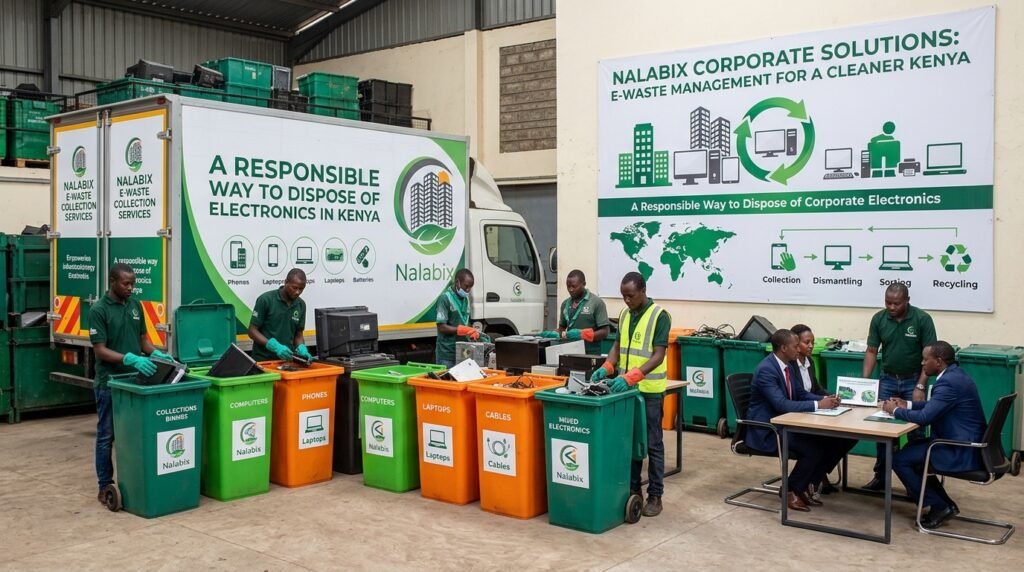
Electronic devices are now part of everyday life. From computers and mobile phones to printers, televisions, servers, and office equipment, we rely on electronics at home and at work. But what happens when these devices stop working or are no longer needed? They become electronic waste, or e-waste. With the growing use of technology in Kenya, responsible e-waste collection services in Kenya are becoming increasingly important. Proper collection helps prevent harmful disposal, recover valuable materials, and ensure old electronics are handled responsibly. What Is E-Waste? E-waste refers to unwanted or end-of-life electrical and electronic equipment. Common examples include: Instead of throwing these items into ordinary waste bins, they should be collected and managed through appropriate e-waste channels. Why Is E-Waste Collection Important in Kenya? Improper disposal of electronics can create environmental and health concerns. Some electronic equipment contains hazardous substances that require controlled handling. At the same time, many devices contain recoverable materials such as aluminium, copper, steel, plastics, and other valuable components. Professional e-waste collection therefore supports two important goals: Protecting the environment while recovering resources for recycling and reuse. How Do E-Waste Collection Services Work? A professional e-waste collection process usually follows several steps: 1. Collection Request A business, institution, organisation, or individual contacts an e-waste service provider and provides details about the equipment available for collection. 2. Assessment The equipment can be assessed to determine its type, quantity, condition, and appropriate handling requirements. 3. Safe Collection The e-waste is collected and transported using appropriate procedures to reduce damage, loss, or unsafe handling. 4. Sorting and Processing Collected equipment is sorted according to its condition and material type. Items for recycling. 5. Recycling and Responsible Disposal End-of-life equipment is processed to recover useful materials, while components that require specialised treatment are directed to appropriate recycling or disposal channels. Who Needs E-Waste Collection Services? E-waste collection is useful for both organisations and individuals. Individuals can also use professional e-waste collection services when disposing of old computers, televisions, phones, appliances, and other electronic devices. E-Waste Collection and Data Security For businesses, disposing of electronic equipment involves more than environmental responsibility. Old computers, laptops, servers, hard drives, and storage devices may still contain sensitive information. That is why e-waste collection can be combined with secure data destruction. Depending on the equipment and requirements, data may be securely erased or storage media physically destroyed. Businesses should request appropriate documentation, such as a certificate of data destruction or recycling, where applicable. Benefits of Professional E-Waste Collection Using a professional e-waste collection service can provide several benefits: Choosing an E-Waste Collection Company in Kenya Before choosing a service provider, consider whether the company can demonstrate responsible handling practices. Look for a provider that offers: For businesses disposing of large quantities of equipment, it is also useful to ask about IT Asset Disposition (ITAD) services, particularly when equipment may have resale, refurbishment. Nalabix E-Waste Collection Services in Kenya At Nalabix, we help businesses, organisations, institutions, and communities manage unwanted and end-of-life electronics responsibly. Our services include e-waste collection, computer recycling, IT equipment recycling, data destruction, IT asset disposition, and responsible e-waste management. Whether you have a few obsolete devices or a large volume of corporate IT equipment, proper collection is the first step toward responsible recycling. Final Thoughts E-waste should not simply disappear into general waste. With the increasing use of technology in Kenya, responsible collection and recycling are essential for protecting the environment and recovering valuable resources. Choosing professional e-waste collection services in Kenya makes it easier to move old electronics from storage rooms, offices, and homes into a proper recycling and recovery process. Have old computers, electronics, or IT equipment that need responsible disposal? Nalabix can help you collect, manage, recycle, and document your e-waste responsibly.
Categories of WEEE Explained: A Simple Guide to Waste Electrical and Electronic Equipment
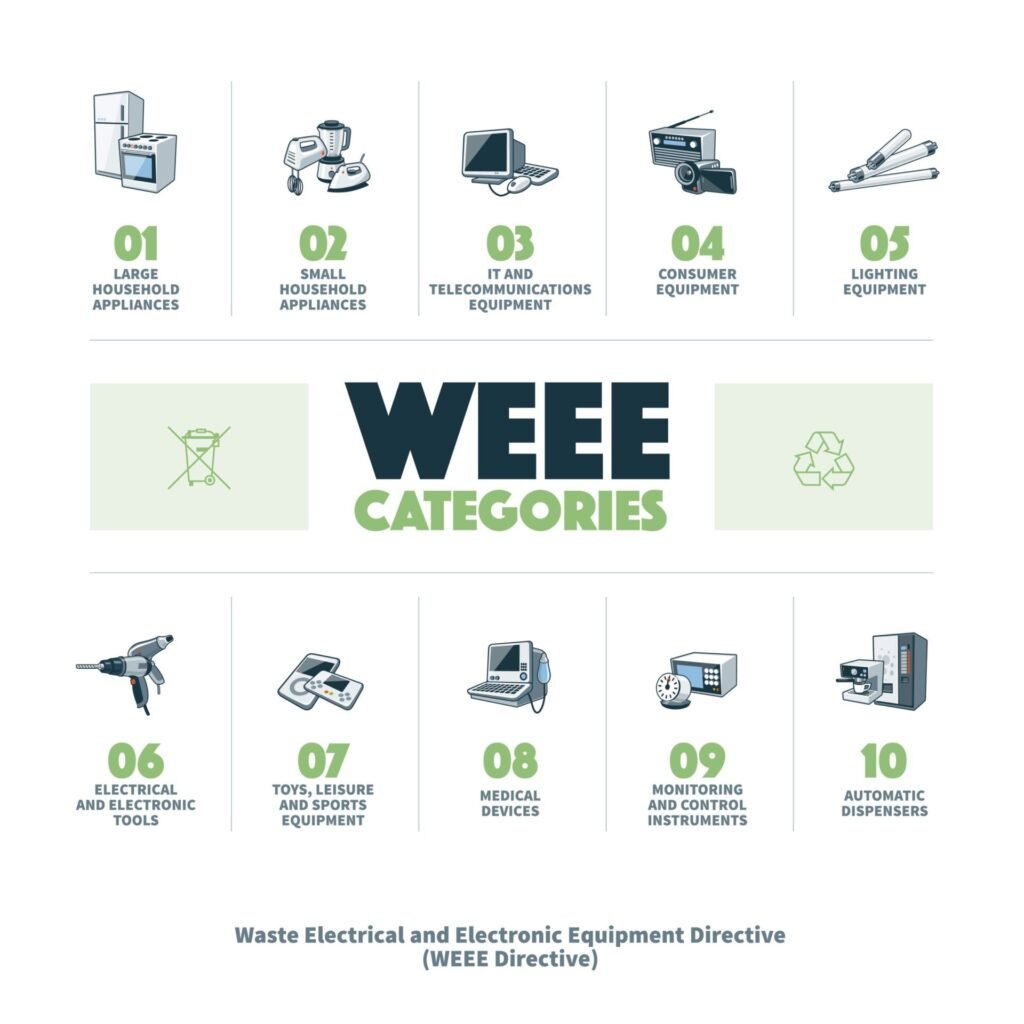
Electronic devices have become an essential part of everyday life. From smartphones and computers to refrigerators, televisions, medical equipment and solar systems, we depend on electrical and electronic equipment almost everywhere. But what happens when these products become old, damaged, obsolete or unwanted? They become Waste Electrical and Electronic Equipment (WEEE), commonly known as e-waste. Not all WEEE is the same. Different types of electrical and electronic equipment contain different materials, components and potential hazards. Understanding the categories of WEEE makes it easier to identify, collect, handle and recycle electronic waste responsibly. In this guide, we explain the main categories of WEEE, provide everyday examples and explain why proper WEEE management matters. What Is WEEE? WEEE stands for Waste Electrical and Electronic Equipment. It refers to electrical or electronic products that have been discarded because they are no longer wanted, working, useful or economical to repair. Examples include: In simple terms: If a product needs electricity or electronic components to perform its function and it is discarded, it may become WEEE. Why Are There Different Categories of WEEE? WEEE covers a very wide range of products. A refrigerator is very different from a mobile phone. A printer is different from a solar inverter, while medical equipment requires different handling from household electronics. Categorising WEEE helps recyclers and waste managers determine: Proper classification therefore supports safe handling, resource recovery and environmentally responsible recycling. Main Categories of WEEE WEEE can be divided into several broad categories based on the type and function of the equipment. 1. Large Electrical Appliances Large electrical appliances are some of the biggest items found in the WEEE stream. Examples include: These appliances can contain valuable materials such as steel, aluminium, copper and plastics. Some refrigeration and cooling equipment may also contain substances that require specialised handling. Why proper disposal matters Large appliances should not simply be dumped or dismantled without proper procedures. They can occupy significant landfill space and may contain components that require controlled treatment. Responsible recycling allows materials to be recovered while reducing environmental risks. 2. Small Electrical Appliances Small electrical appliances are found in homes, offices, shops and institutions. Examples include: Although these products are smaller than refrigerators or washing machines, they can collectively generate a large amount of e-waste. Many contain a mixture of: Proper recycling helps recover these materials instead of sending them to landfill. 3. IT and Telecommunications Equipment This is one of the most important WEEE categories for businesses and organisations. It includes equipment used for computing, communication, networking and information management. Examples include: Businesses can generate large quantities of IT-related WEEE when they upgrade systems or replace obsolete equipment. Why this category needs special attention IT equipment can contain valuable materials, but it may also contain sensitive data. For example, computers, servers, hard drives and storage devices may contain confidential business information. Therefore, responsible IT equipment disposal should consider both: Environmental responsibility + Data security Before recycling or destroying storage devices, organisations should use an appropriate data destruction process and maintain proper documentation. 4. Consumer Electronics Consumer electronics are electronic products primarily used for entertainment, communication and personal activities. Examples include: Televisions and monitors may contain different materials depending on their age and technology. Older equipment can require specialised handling, while newer flat-screen devices contain valuable plastics, metals, glass and electronic components. 5. Screens and Display Equipment Screens deserve special attention because they can contain different materials and components depending on their technology. Examples include: Older display technologies may require specialised treatment because of the materials used in their construction. Modern displays also contain valuable materials that can be recovered through appropriate recycling processes. Never assume that a broken screen belongs in ordinary household waste. 6. Lighting Equipment Lighting products are another important WEEE category. Examples include: Some lighting products can contain substances that require controlled handling. For this reason, lamps should be collected separately where appropriate and sent to suitable recycling or treatment facilities. 7. Electrical and Electronic Tools This category includes tools that operate using electricity or electronic components. Examples include: Businesses in construction, manufacturing and maintenance industries can generate significant quantities of electronic and electrical tool waste. Where equipment is still functional, repair, refurbishment or reuse may be preferable to immediate recycling. 8. Medical and Laboratory Equipment Healthcare facilities, laboratories and research institutions also generate WEEE. Examples include: Medical and laboratory equipment may contain a combination of metals, plastics, circuit boards, cables and other components. Because of their specialised nature, these items should be handled through appropriate procedures. Healthcare organisations should also consider whether equipment contains sensitive information or requires additional decontamination before disposal. 9. Monitoring and Control Equipment These are devices used to measure, monitor or control electrical, industrial, environmental or operational processes. Examples include: These devices may contain circuit boards, sensors, wiring and valuable metals. Proper dismantling allows different components and materials to be separated for recovery. 10. Automatic Dispensers Automatic dispensers are another category of electrical and electronic equipment. Examples include: These machines can contain large quantities of metal, electrical components, wiring, circuit boards and plastics. Because of their size and complexity, they should be dismantled and processed appropriately rather than discarded as general waste. 11. Batteries and Battery-Containing Equipment Batteries are closely associated with the electronic waste stream. Examples include: Batteries require particular care because some types can present fire, chemical or environmental risks if damaged, improperly stored or incorrectly processed. They should therefore be collected, stored and recycled using appropriate procedures. 12. Cables, Chargers and Accessories Small accessories can easily be overlooked when discussing e-waste. However, businesses and households can accumulate large quantities of: These items contain materials such as copper, aluminium, plastics and electronic components that can potentially be recovered. Instead of throwing them into general waste, they should be included in organised e-waste collection programmes. What Happens to WEEE After Collection? The journey does not end when electronic equipment is collected. A responsible WEEE recycling process can include several stages. 1. Collection Unwanted electrical and electronic equipment is
What Is WEEE? Understanding Waste Electrical and Electronic Equipment
Every year, millions of electronic devices reach the end of their useful lives. From broken laptops and outdated smartphones to old refrigerators and televisions, these discarded products form one of the world’s fastest-growing waste streams—Waste Electrical and Electronic Equipment (WEEE). As technology advances rapidly, people and organizations replace electronic devices more frequently than ever before. While this brings innovation and convenience, it also creates a significant environmental challenge if these items are not properly collected and recycled. Understanding WEEE is the first step toward protecting our environment, recovering valuable materials, safeguarding sensitive data, and supporting a circular economy. This guide explains everything you need to know about WEEE, including what it is, why it matters, examples, environmental impacts, recycling processes, legal responsibilities, and best disposal practices. What Does WEEE Mean? WEEE stands for Waste Electrical and Electronic Equipment. It refers to any electrical or electronic device that has reached the end of its useful life and is discarded, recycled, refurbished, or disposed of. These products rely on electricity, batteries, or electromagnetic fields to function. Once they are no longer wanted, damaged beyond repair, obsolete, or replaced with newer models, they become WEEE. Simply put: If it plugs into a wall, uses batteries, or requires electricity to operate—and you no longer need it—it is likely WEEE. Understanding the Term “Electrical and Electronic Equipment (EEE)” Before something becomes WEEE, it is first known as Electrical and Electronic Equipment (EEE). EEE includes products such as: Once these items are discarded, they officially become Waste Electrical and Electronic Equipment (WEEE). Why Is WEEE Increasing? Electronic waste is growing faster than almost any other waste stream because of several factors. 1. Rapid Technological Advancement Technology changes quickly, encouraging people to replace devices more often. Examples include: 2. Short Product Lifecycles Many electronic products are designed with shorter replacement cycles than in the past. Consumers often upgrade before products completely fail. 3. Growing Digital Economy Businesses increasingly rely on digital infrastructure such as: As organizations modernize, older equipment enters the waste stream. 4. Population Growth More people means greater demand for electronic devices. As ownership increases, so does electronic waste generation. 5. Affordable Electronics Lower manufacturing costs make electronics more accessible, leading to higher consumption and more discarded devices. Common Examples of WEEE IT Equipment Telecommunications Equipment Office Equipment Household Appliances Consumer Electronics Lighting Equipment Medical Equipment (Special handling requirements may apply.) What Makes WEEE Different from General Waste? Unlike ordinary household waste, WEEE contains both: Valuable Materials These materials can be recovered and reused. Hazardous Components Many electronic products also contain substances that require careful handling. Examples include: If improperly disposed of, these substances can contaminate soil, water, and air. Why Proper WEEE Management Is Important 🌍 Protecting the Environment Responsible recycling prevents hazardous chemicals from entering ecosystems. ♻ Conserving Natural Resources Recovered metals reduce the need for mining virgin materials. 🔒 Protecting Sensitive Data Old computers and storage devices often contain confidential information. Certified data destruction ensures information cannot be recovered. 💼 Supporting Green Jobs The recycling industry creates employment opportunities in: 🌱 Supporting the Circular Economy Instead of throwing electronics away, valuable materials remain in circulation. This reduces waste while conserving resources. What Happens During WEEE Recycling? A professional recycling process typically includes several stages. 1. Collection Electronic waste is collected from: 2. Inspection Equipment is assessed to determine whether it can be: 3. Data Destruction Storage devices undergo secure data wiping or physical destruction before recycling. 4. Manual Dismantling Specialists separate components including: 5. Material Recovery Recovered materials are processed into raw materials for manufacturing new products. 6. Safe Disposal Hazardous materials that cannot be recycled are disposed of using environmentally approved methods. The Environmental Impact of Improper WEEE Disposal Improper disposal creates serious environmental problems. These include: Soil Pollution Heavy metals can contaminate agricultural land. Water Pollution Toxic substances may leach into rivers and groundwater. Air Pollution Burning electronics releases dangerous chemicals into the atmosphere. Resource Loss Discarding electronics means losing valuable recoverable materials. Climate Change Manufacturing new products from raw materials requires significantly more energy than recycling existing materials. WEEE and the Circular Economy The circular economy aims to keep products and materials in use for as long as possible. Instead of: Take → Use → Dispose The circular model encourages: Design → Use → Repair → Reuse → Refurbish → Recycle Proper WEEE management is one of the foundations of a sustainable circular economy. Business Responsibilities for WEEE Organizations generate large volumes of electronic waste. Responsible businesses should: Good WEEE management also supports Environmental, Social, and Governance (ESG) goals. Household Tips for Managing WEEE You can reduce electronic waste by following a few simple practices: Small actions by individuals can make a significant environmental difference. WEEE in Kenya Kenya is experiencing rapid growth in the use of electronic devices across homes, schools, businesses, and government institutions. As a result, the volume of WEEE is increasing every year. Responsible WEEE management helps: Businesses and households alike play an important role by ensuring end-of-life electronics are handled by licensed recyclers using environmentally sound practices. Frequently Asked Questions (FAQs) Is WEEE the same as e-waste? Yes. WEEE (Waste Electrical and Electronic Equipment) is the formal term commonly used in legislation and standards, while e-waste is the more widely used everyday term. Both refer to discarded electrical and electronic devices. Can WEEE be recycled? Yes. Most WEEE can be dismantled so that metals, plastics, glass, and other materials are recovered for use in new products. Are batteries considered WEEE? Batteries are often managed under specific regulations because they contain hazardous materials, but when integrated into electronic equipment they form part of the WEEE stream and should always be removed and recycled appropriately. Why shouldn’t electronics be thrown into normal bins? Electronic waste may contain hazardous substances that can pollute soil, water, and air. It also contains valuable materials that can be recovered through recycling. What should businesses do before disposing of computers? Businesses should securely erase or physically destroy data-bearing devices, maintain
Understanding the E-Waste Lifecycle: From Purchase to Responsible Recycling
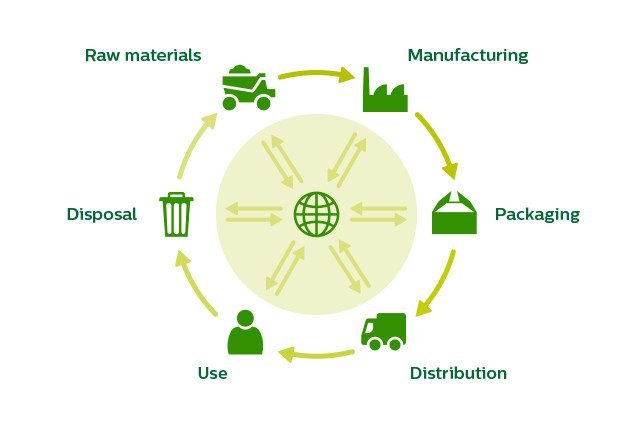
Every electronic device has a lifecycle. A smartphone is manufactured, purchased, used, repaired, upgraded, and eventually replaced. A computer may serve a business for several years before it becomes outdated. A printer, television, server, or household appliance follows a similar journey. But what happens when these devices are no longer needed? This is where the e-waste lifecycle begins to matter. Understanding the e-waste lifecycle helps individuals, businesses, institutions, and governments make better decisions about how electronic products are purchased, used, reused, collected, recycled, and disposed of. For Kenya, where the use of computers, smartphones, appliances, networking equipment, and other electronic devices continues to grow, responsible e-waste management is becoming increasingly important. What Is the E-Waste Lifecycle? The e-waste lifecycle describes the journey of an electronic product from its creation and purchase through its use, repair, reuse, collection, recycling, and final disposal. A simple e-waste lifecycle can be understood as: Manufacturing → Purchase → Use → Repair & Reuse → Collection → Sorting → Recycling → Recovery → Final Disposal The goal of responsible e-waste management is to keep products and valuable materials in use for as long as possible while minimizing environmental harm. 1. Manufacturing: Where the Lifecycle Begins The e-waste lifecycle begins long before a device reaches the consumer. Electronic products are manufactured using a combination of materials, including: Manufacturing also requires energy, water, raw materials, transportation, and other resources. This means the environmental impact of an electronic device does not begin when it becomes waste. It begins during the extraction and production of the materials used to make it. Why does this matter? The longer a device remains useful, the more value we get from the resources that went into producing it. This is one reason why repair, refurbishment, reuse, and responsible recycling are important parts of a circular economy. 2. Purchase and Distribution After manufacturing, electronic products are transported through supply chains before reaching consumers and organizations. This may include: Manufacturer → Distributor → Retailer → Consumer or Business At this stage, responsible purchasing can already influence the future of e-waste. Businesses and consumers can consider: Choosing durable products can reduce the frequency with which devices are replaced. 3. The Use Phase The longest part of an electronic product’s lifecycle is usually its use phase. A device may remain in service for months or several years depending on its type, condition, technology, and purpose. For businesses, this could include: During this stage, proper maintenance becomes important. Regular maintenance, software updates, repairs, component replacement, and responsible handling can help extend the useful life of equipment. Extending device life reduces waste Replacing a device simply because it is no longer considered the newest model can contribute to unnecessary e-waste. Where practical, organizations should consider whether equipment can be: Maintained → Upgraded → Repaired → Refurbished → Reused before deciding that it has reached the end of its useful life. 4. Repair, Refurbishment and Reuse Not every old electronic device is waste. This is an important distinction. A computer that is no longer required by one organization may still be perfectly useful to another user. Before recycling equipment, it is worth determining whether it can be: This stage helps maximize the useful life of electronic equipment. For example, an organization replacing hundreds of computers may be able to refurbish suitable machines and redirect them to another department, school, nonprofit organization, or secondary market. Reuse comes before recycling From a circular economy perspective, keeping a functional product in use is generally preferable to immediately dismantling it for materials. However, equipment containing sensitive information requires an additional consideration: data security. Before computers, servers, storage devices, or smartphones are reused, appropriate data sanitization should be carried out. 5. When Does Electronic Equipment Become E-Waste? Eventually, an electronic product may no longer be useful, economical to repair, safe to use, or suitable for reuse. At this point, it may become electrical and electronic waste, commonly known as e-waste or WEEE (Waste Electrical and Electronic Equipment). Examples include: However, simply throwing these items away is not responsible e-waste management. The next step should be proper collection and handling. 6. E-Waste Collection Once equipment reaches the end of its useful life, it needs to enter an appropriate collection system. E-waste may come from: For businesses, organized collection is particularly important because large quantities of equipment may need to be removed from offices, warehouses, branches, or data centers. Professional e-waste collection can help ensure that equipment is: Collected → Documented → Transported → Sorted → Processed rather than being mixed with ordinary waste. 7. Sorting and Assessment After collection, electronic equipment should be assessed and sorted. This is a critical stage because not every item should follow the same path. Equipment can generally be separated into categories such as: Reusable equipment Devices that remain functional or can be economically refurbished. Repairable equipment Devices that require repairs before they can be returned to service. Recoverable equipment Items that are no longer practical to reuse but contain valuable materials. Non-recoverable waste Materials that have reached the end of their practical recovery options and require appropriate final treatment or disposal. Sorting helps ensure that maximum value is recovered from the equipment. 8. Data Destruction: A Critical Step for IT Equipment For computers, servers, hard drives, SSDs, phones, and other devices containing data, the e-waste lifecycle has an additional requirement. Data must be securely destroyed before equipment is reused, recycled, or disposed of. Simply deleting files or formatting a drive may not always provide sufficient protection. Depending on the situation, organizations may use secure data sanitization or physical destruction. The process may include: For organizations handling confidential or sensitive information, maintaining records of data destruction can provide an important layer of accountability. 9. Recycling and Material Recovery When equipment can no longer be reused, recycling becomes an important part of the e-waste lifecycle. During responsible e-waste recycling, equipment can be dismantled and separated into different material streams. Potentially recoverable materials include: These materials can then enter appropriate recovery and recycling
IT Asset Disposition (ITAD) & Asset Recovery: Which Electronics Qualify?
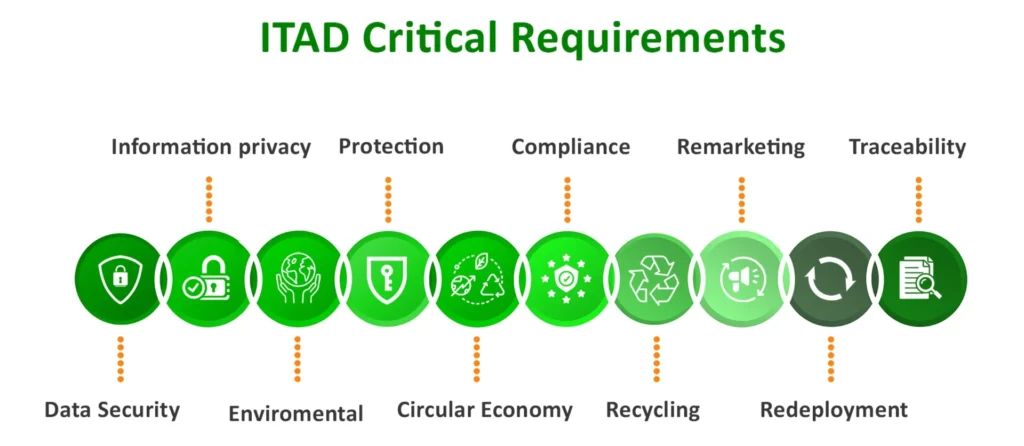
Turn Your Unused IT Equipment into Value Many businesses replace computers, laptops, servers, and networking equipment long before they reach the end of their useful life. Instead of storing these assets or disposing of them as electronic waste, organizations can recover part of their investment through a Cash for Assets IT Asset Disposition (ITAD) program. At Nalabix, we assess eligible IT equipment and offer fair market value for assets that can be securely refurbished, redeployed, or remarketed. This helps organizations maximize asset recovery while supporting sustainability and the circular economy. What Is “Cash for Assets”? The Cash for Assets program is an IT Asset Disposition (ITAD) service where organizations receive financial value for eligible electronic equipment that still has resale or refurbishment potential. Before an offer is made, each item undergoes an evaluation based on: Only equipment that meets our quality standards qualifies for resale or refurbishment. Eligibility Criteria To qualify for the Cash for Assets program, equipment should meet the following requirements. ✅ 1. Good Cosmetic Condition The equipment should be well maintained with minimal cosmetic damage. Examples include: Minor signs of normal use are acceptable. ✅ 2. All Components Must Be Intact The equipment must be complete and contain all essential internal components. Examples include: Equipment with missing critical components may not qualify. ✅ 3. New Equipment Must Include Accessories Unused or new equipment should include all original accessories supplied by the manufacturer. Examples include: Complete sets generally attract higher asset recovery value. ✅ 4. Equipment Must Meet Quality Standards Only equipment that satisfies refurbishment and resale standards is accepted into the Cash for Assets program. Items should: Equipment that fails quality inspection cannot be remarketed. How We Determine Asset Value Every piece of equipment is professionally assessed using several factors: Evaluation Factor Why It Matters Device Age Newer equipment generally has higher resale value. Brand & Model Enterprise-grade brands often retain value longer. Cosmetic Condition Well-maintained devices are easier to refurbish. Functional Status Fully operational equipment is more valuable. Specifications Higher RAM, storage, and processor performance increase value. Market Demand Popular models typically attract stronger resale prices. Quantity Larger batches often qualify for better overall offers. Accessories Original chargers, docks, and peripherals can increase value. What Happens to Equipment That Doesn’t Qualify? Not every device is suitable for resale. Items that fail our quality assessment are responsibly managed through certified e-waste recycling. These may include: Where necessary, these items are physically destroyed to prevent them from re-entering the market. Materials such as metals, plastics, circuit boards, and glass are then recovered and sent to approved recycling partners. What Happens to Rejected Equipment? Equipment that cannot be safely refurbished or remarketed is handled through our secure recycling process. Depending on its condition, rejected assets may undergo: Items that are identified as substandard, counterfeit, unsafe, or unsuitable for reuse are physically destroyed to prevent them from re-entering the market. Materials are then recovered through environmentally responsible recycling processes. Why Sell Your Retired IT Equipment? Many organizations replace their IT equipment every 3–5 years. Often, these devices still retain significant value but end up collecting dust in storage rooms. Selling eligible assets allows your business to: Rather than paying to dispose of working equipment, your organization can generate revenue while contributing to a circular economy. Eligible Equipment Examples The following categories commonly qualify, subject to inspection: Secure Data Handling Our Asset Recovery Process 1. Initial Consultation Tell us what equipment you have. 2. Asset Inventory We review your asset list or conduct an onsite assessment. 3. Evaluation Each device is inspected for functionality, condition, and resale potential. 4. Offer A competitive purchase offer is prepared. 5. Collection Our team collects the approved equipment. 6. Data Security Storage devices are sanitized or destroyed according to your requirements. 7. Payment Payment is processed once the evaluation is complete and agreed upon. 8. Documentation Where applicable, we provide: Asset disposition reports Asset inventory reports Collection records Certificates of Data Destruction Recycling Certificates Maximize the Value of Your Retired IT Assets If your organization is upgrading its IT infrastructure, the Cash for Assets program provides a secure, environmentally responsible, and cost-effective way to recover value from retired equipment. By combining professional IT Asset Disposition (ITAD), certified data security, and responsible refurbishment, Nalabix helps businesses reduce waste while maximizing returns. What Reduces Asset Value? Some factors may lower the offer, including: Quick Eligibility Checklist Requirement Eligible Good cosmetic condition ✅ All internal components intact ✅ Original accessories included (for new items) ✅ Meets refurbishment standards ✅ Safe and genuine equipment ✅ Suitable for resale or reuse ✅ Severely damaged or broken ❌ Missing critical components ❌ Counterfeit or substandard products ❌ Unsafe electronics ❌ Failed quality inspection ❌ Ready to Dispose of Your IT Assets Responsibly?Whether you’re upgrading office equipment, decommissioning a data centre, or looking to recover value from retired IT assets, Nalabix provides secure, compliant, and environmentally responsible IT Asset Disposition (ITAD) services across Kenya. 👉 Get a Free Assessment | 📞 Schedule a Collection | 💰 Request a Cash for Assets Evaluation
The Environmental Impact of Improper E-Waste Disposal.
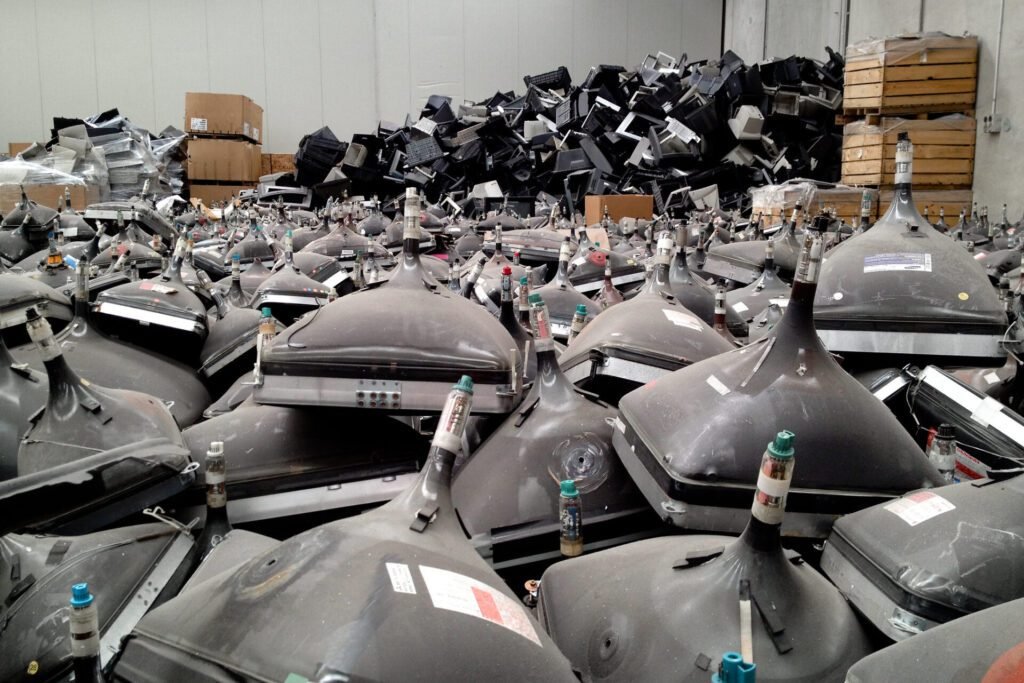
Electronic devices have become essential in our homes, businesses, schools, and industries. However, as technology advances, older devices are discarded more frequently, creating a rapidly growing electronic waste (e-waste) problem. Unfortunately, much of this waste is disposed of incorrectly, causing serious environmental damage. Improper e-waste disposal contaminates soil, water, and air while exposing people and wildlife to hazardous substances. Understanding these impacts is the first step toward building a cleaner, healthier, and more sustainable future. What Is Improper E-Waste Disposal? Improper e-waste disposal refers to throwing away electronic devices without following environmentally safe recycling or disposal methods. Why Improper E-Waste Disposal Is a Global Concern Electronic waste is now the world’s fastest-growing solid waste stream. Millions of tonnes of discarded electronics are generated every year, but only a fraction is recycled properly. The remaining waste often ends up in landfills or informal recycling sites where hazardous materials leak into the environment. Countries across Africa, including Kenya, continue to experience increasing volumes of obsolete electronics due to rapid digital transformation and shorter device lifespans. The Toxic Cocktail Inside Your Electronics The danger of e-waste begins with what’s inside it. Discarded electronics are not inert; they are complex assemblies containing a cocktail of hazardous substances. These substances don’t just disappear. They migrate through the environment, contaminating soil, leaching into groundwater, and releasing toxic fumes into the air. Once they enter ecosystems, they persist, creating long-term pollution problems. The Scale of the Problem: Kenya’s E-Waste Burden. The numbers paint a stark picture of the challenge facing Kenya. Kenya generates an estimated 51,300 to 80,000 metric tonnes of e-waste annually, yet formal collection and recycling systems handle only a fraction of it—as little as 1 percent, according to some estimates. Instead, the vast majority flows into an informal network of collectors, traders, and waste pickers, who often dismantle electronic devices under unsafe conditions. The problem is compounded by Kenya’s role as a regional hub for digital services and the booming second-hand electronics market. While imports of used electronics provide affordable access to technology for many, much of this equipment is near the end of its life and rapidly becomes waste. Televisions, laptops, and tablets alone contributed more than 5,700 tonnes of e-waste in 2024, driven by rapid technological change and a growing culture of replacement over repair. The Three Fronts of Environmental Damage Improper e-waste disposal attacks the environment on three interconnected fronts: soil, water, and air. Soil Contamination. When people dump electronics in landfills or open dumpsites, heavy metals such as lead, mercury, and cadmium leach into the soil, contaminating natural resources and reducing agricultural productivity. This contamination affects not only the immediate area but can render land unsuitable for farming, impacting food security and livelihoods Water Pollution.Rainwater seeps through e-waste dumpsites, carrying toxins into surface and underground water sources.This contaminated runoff can poison rivers and lakes, endangering aquatic life and threatening drinking water supplies for communities downstream.Once contamination occurs, cleanup is costly and long-term. Air PollutionThe informal recycling methods common in Kenya—such as burning cables to extract copper—release toxic fumes including dioxins, furans, and heavy metals into the atmosphere. This contributes to air pollution, respiratory illness, and climate change by releasing greenhouse gases. Research in Ghana, which shares a similar informal e-waste economy, has shown a positive relationship between urbanization near recycling sites and increased air pollution from open burning The Human Cost: A Public Health Crisis The environmental damage of improper e-waste disposal is inextricably linked to human health. Communities living near dumpsites and informal recycling hubs bear the brunt of this toxic burden.A study in Korogocho, Nairobi, found that 61 percent of respondents who handle e-waste reported health issues. Children are especially vulnerable to neurodevelopmental and behavioral effects from lead and mercury exposure.Informal workers like those in Kigali’s repair hubs work with bare hands, inhaling smoke from burning cables, suffering from dizziness and long-term health effects in exchange for a meager livelihood. The Inequality of the E-Waste Crisis E-waste pollution is not an equal opportunity crisis. It disproportionately affects low-income communities, creating a direct link between consumption in affluent areas and environmental degradation in poorer neighborhoods. Electronics discarded in wealthy suburbs of Nairobi often end up in informal settlements like Korogocho, where they are stripped, resold, or burned to extract valuable materials. This flow of waste mirrors a global pattern where unmanaged e-waste often migrates from the Global North to the Global South. In Ghana, one of the world’s largest informal e-waste sites processes electronics sent from across the world, creating a “toxic circular economy” where workers survive at the cost of their long-term health What This Means for Kenyan Businesses For businesses, the environmental impact of improper e-waste disposal translates into real business risks. Regulatory Risk: With the Data Protection Act already in force and emerging e-waste regulations like the EPR Regulations 2024, organizations face fines and reputational damage for non-compliance. Reputational Risk: Customers, investors, and regulatory agencies increasingly expect sustainable practices. If a company’s retired electronics are later found in informal dumps, the reputational damage can be severe. Liability Risk: Without documented downstream accountability, organizations can remain liable for improper handling of their e-waste. Frequently Asked Questions Final Thoughts. The environmental impact of improper e-waste disposal is real, measurable, and entirely avoidable. The toxic legacy of discarded electronics contaminates soil, water, and air, while exposing the most vulnerable among us to serious health risks. For businesses, responsible e-waste management is not just an ethical obligation—it is a regulatory, reputational, and operational necessity At Nalabix, we provide certified IT Asset Disposition services that ensure your retired electronics are managed securely and sustainably. From NIST-compliant data destruction to responsible recycling, we help your business turn e-waste from a liability into an opportunity
IT Asset Disposal Checklist: A Step-by-Step Guide for Kenyan Businesses.
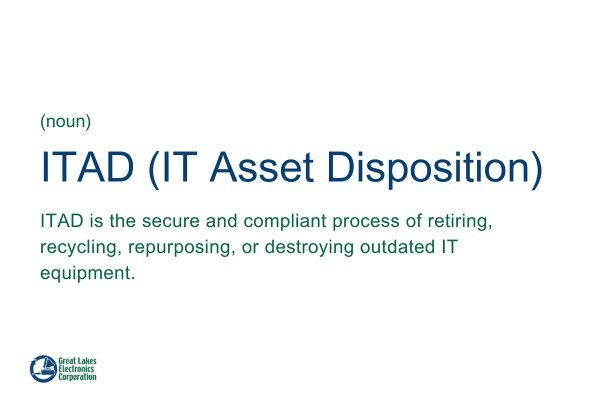
Every business eventually replaces its IT equipment. Whether you’re upgrading office computers, refreshing laptops, decommissioning a data centre, or replacing network infrastructure, proper IT Asset Disposal (ITAD) is essential. With over six years of experience in IT asset disposition, I’ve seen the chaos that follows when businesses dispose of old equipment without a plan. Servers left in hallways. Hard drives forgotten in storage rooms. Data breaches waiting to happen. An IT asset disposal checklist isn’t just good practice—it’s a compliance necessity. Here’s a comprehensive, step-by-step guide based on what I’ve seen work for organizations across Kenya. What Is IT Asset Disposal (ITAD)? IT Asset Disposal (ITAD) is the structured process of securely retiring, sanitizing, refurbishing, recycling, or disposing of obsolete IT equipment. The goal is to protect sensitive data while maximizing the value of retired assets and minimizing environmental impact. Why Every Business Needs an IT Asset Disposal Checklist. Without a clear disposal process, organizations risk: A checklist ensures every device is handled consistently and securely. The Seven-Step Checklist Step 1: Asset Identification and Inventory You can’t dispose of what you don’t know exists. Why it matters: Without a baseline inventory, you cannot quantify your disposal program or demonstrate compliance on audits. Step 2: Policy Definition and Stakeholder Coordination Asset disposal requires coordination between IT departments, compliance teams, finance, and sustainability managers. What to do: Define what constitutes an IT asset in your organization. Establish disposal timelines and methods (reuse, resale, or destruction). Decide whether decommissioning will happen onsite or through a certified vendor. Review Kenya’s tax implications under the Finance Act 2025—asset disposals are now “standalone” tax events where capital losses cannot offset gains. Why it matters: Poor coordination leads to conflicting priorities—IT wants speed, compliance wants security, finance wants value recovery. Step 3: Data Sanitization This is non-negotiable. Simply deleting files or reformatting drives does not remove the data. Under the NIST SP 800-88 standard, there are three levels of data sanitization. Method Description Best For Clear Logical overwrite of user-addressable storage locations Internal reuse, low-risk data Purge Physical or logical techniques that render recovery infeasible using laboratory methods (e.g., degaussing, cryptographic erase) Higher-sensitivity data Destroy Physical destruction (shredding, crushing, incineration) Highly sensitive data; regulatory mandates What to do: Why it matters: Data breaches from improper disposal lead to ODPC fines of up to KES 5 million or 1% of annual turnover, plus reputational damage. Step 4: Physical Destruction (If Required) For devices containing highly sensitive data or physically damaged drives, physical destruction is the safest option. Why it matters: Techniques like bending or shooting a hole through a drive may only partly damage it—professional shredding is required for full destruction. Step 5: Chain of Custody and Secure Transport When assets leave your premises, you lose visibility. A rigorous chain of custody maintains accountability. What to do: Why it matters: The greatest risk to data security occurs when you cannot see the asset . Why it matters: Extending device life reduces procurement costs, lowers carbon footprint, and keeps materials out of landfills. Step 7: Documentation and Certification “Without a paper trail, it didn’t happen”. What to include in your evidence pack: Kenya-specific documentation: Why it matters: This documentation is your defense in an ODPC audit or KRA tax review. Additional Requirements: Employee Return Programs For organizations with distributed workforces, employee return programs present unique challenges. Devices that aren’t returned are at risk of data exposure. Checklist items: Frequently Asked Questions What is an IT Asset Disposal Checklist? An IT Asset Disposal Checklist is a structured list of tasks that helps organizations securely retire, sanitize, refurbish, recycle, or dispose of obsolete IT equipment while protecting sensitive data and maintaining compliance. Why is secure data destruction included in ITAD? Computers, servers, laptops, and storage devices often contain confidential business information. Secure data destruction prevents unauthorized access before equipment is reused or recycled. What equipment should be included in IT asset disposal? Organizations should include computers, laptops, servers, hard drives, SSDs, networking equipment, printers, mobile devices, storage systems, and backup media. Why should businesses work with a licensed ITAD provider? Licensed providers follow secure handling procedures, offer certified data destruction, support environmentally responsible recycling, and provide documentation to support audits and compliance. Final Thoughts An effective IT Asset Disposal process is more than simply removing old equipment—it is a critical part of information security, operational efficiency, and environmental responsibility. By following a structured IT Asset Disposal Checklist, businesses can reduce the risk of data breaches, recover value from retired assets, maintain accurate records, and ensure obsolete electronics are managed responsibly. At Nalabix, we help Kenyan businesses navigate every step of the ITAD process—from inventory to data destruction to value recovery. We provide audit-ready evidence packs that protect you in an audit. Ready to dispose of your IT assets securely? Contact Nalabix today to schedule a pickup.