Every year, millions of electronic devices reach the end of their useful life. Smartphones, laptops, printers, televisions, servers, batteries, and household appliances are replaced as technology evolves. While these devices improve our lives, they also create one of the world’s fastest-growing waste streams—electronic waste (e-waste).
I have witnessed firsthand how responsible e-waste recycling transforms environmental challenges into opportunities for recovery and regeneration. In a world where electronic waste is growing at an alarming rate, understanding the tangible environmental benefits of recycling our gadgets is essential.
Here are ten powerful ways recycling e-waste benefits our planet.
1. Conservation of Natural Resources.
Every electronic device contains precious metals. One tonne of printed circuit boards contains at least 200 kg of copper, 0.4 kg of silver, and 0.09 kg of gold—concentrations that can be ten times higher than natural ores.When we recycle, we recover these valuable metals for reuse, significantly reducing the need for destructive mining operations that destroy habitats and pollute soil and water
Instead of tearing up the earth for new resources, recycling lets us tap into the urban mine of discarded electronics. Kenya, generating approximately 51,300 metric tonnes of e-waste annually, has a significant opportunity to recover these resources locally.
2. Reducing Greenhouse Gas Emissions.
The environmental footprint of mining is staggering. Recycling precious metals from e-waste would prevent the emission of 52 million tonnes of mining-related greenhouse gases.
It is also projected that recycling plastics from waste electrical and electronic equipment could contribute to 10 million tonnes of carbon reduction by 2050.
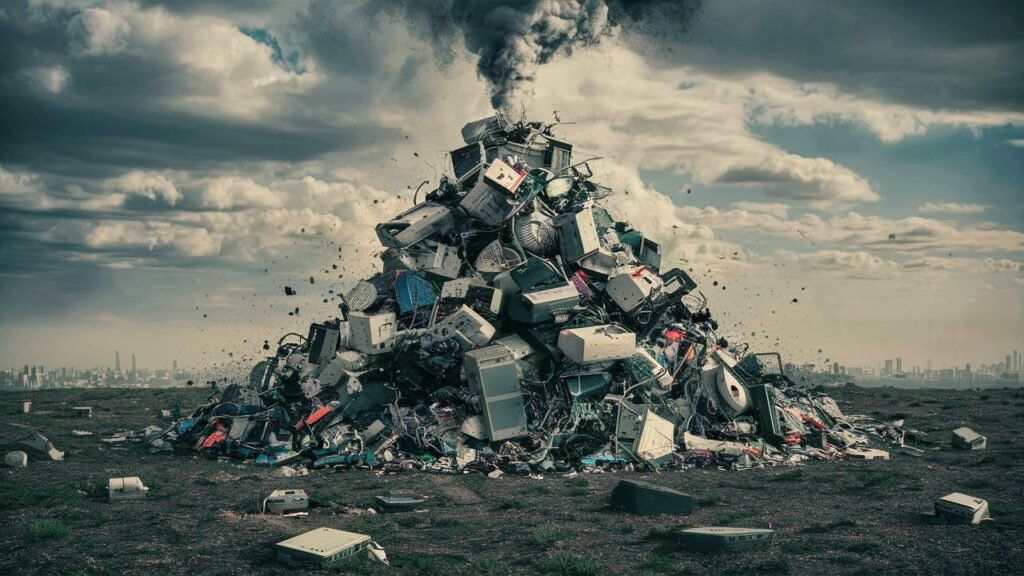
Every device we recycle reduces the energy-intensive demand for virgin material extraction, directly helping to combat climate change.
3. Reducing Pollution of Soil and Water.
When e-waste ends up in landfills, hazardous substances like lead, cadmium, and mercury leach into the ground, contaminating the soil and water supply.In Kenya, the estimated value of avoided agricultural losses from proper e-waste recycling is around KES 200 million per year, as it prevents heavy metals from accumulating in soil and reducing agricultural productivity.
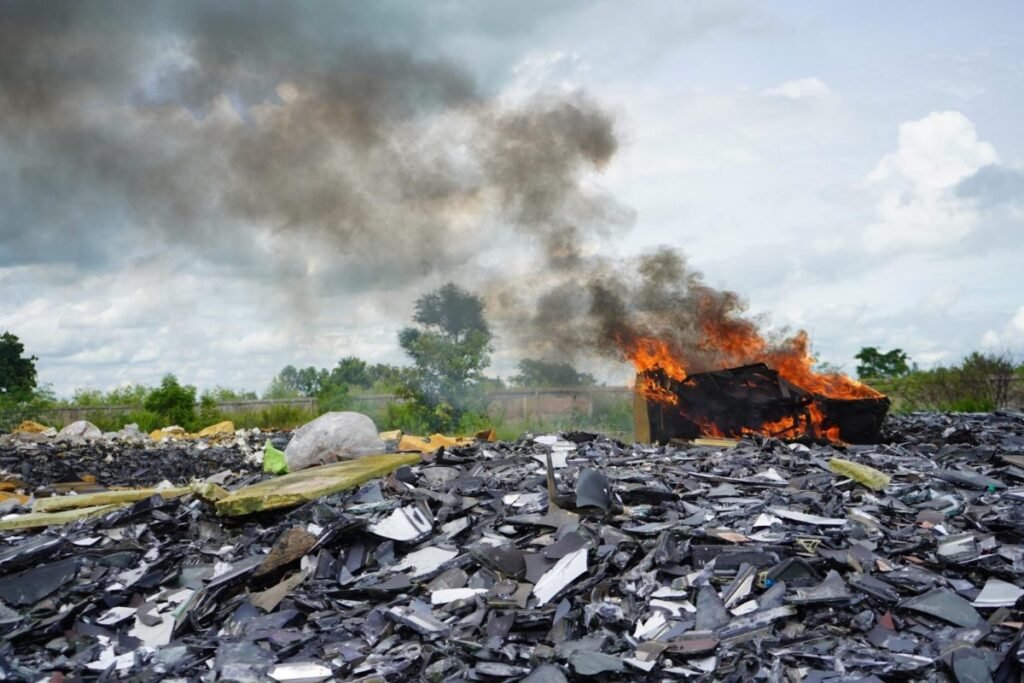
4. Preventing Air Pollution from Toxic Burning.
A common method of informal e-waste “recycling” is open burning of plastics to extract copper and other metals. This releases toxic fumes along with dioxins, furans, and heavy metals, leading to long-term environmental contamination and bioaccumulation in food chains.Formal recycling ensures these materials are processed safely, keeping our air clean.
5. Reducing the Need for Hazardous Mining.
Mining for metals like gold, copper, and rare earths destroys habitats, produces heaps of toxic waste, and is linked to human rights abuses.By recycling e-waste, we reduce the demand for “conflict minerals” and support a more ethical supply chain. “There are many benefits of recovered raw materials… that is the reason we must recycle every gram of gold and neodymium that is in e-waste”.
6. Preserving Biodiversity and Ecosystems.
Toxic substances from e-waste that contaminate waterways and soil harm wildlife—especially aquatic species. The ecological value is difficult to monetize but is critical for ecosystem resilience. Cleaner environments also support Kenya’s tourism brand, with an estimated tourism value contribution of KES 50–100 million per year.
7. Saving Energy
Extracting secondary metals through recycling consumes far less energy than mining and processing virgin materials.Producing new electronics from raw materials is an energy-intensive process, while recycling significantly reduces electricity, fossil fuel, and water consumption. The result? A lower carbon footprint for every device we keep out of the ground.

8. Reducing Reliance on Foreign Imports.
Kenya imports approximately 70% of its electrical and electronic equipment.Recycling e-waste provides secondary raw materials like copper and aluminum, reducing foreign exchange outflows and import dependency. This import substitution effect is valued at KES 500 million to 1 billion per year at 30% recovery
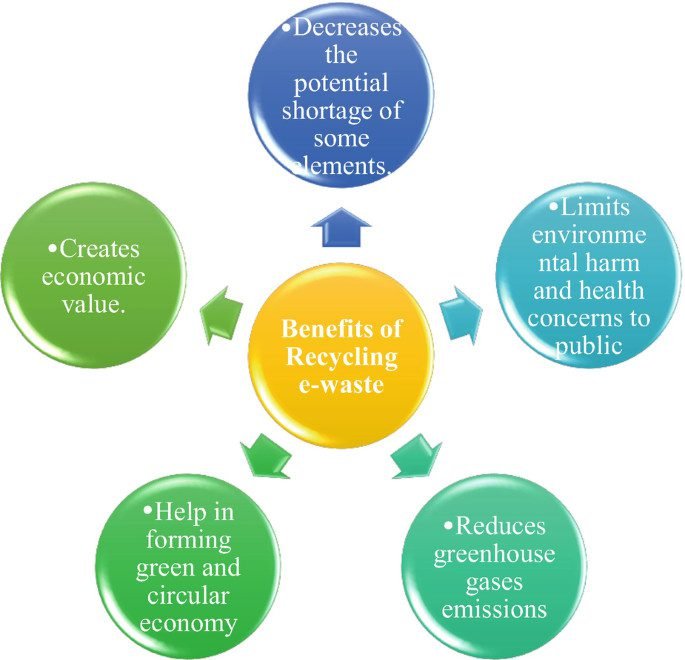
9. Extending the Lifespan of Materials Through the Circular Economy
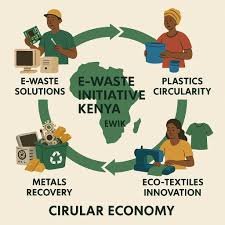
One of the most profound environmental benefits is that recycling keeps materials in circulation. Instead of a “take-make-dispose” model, the circular economy uses resources efficiently. In Kenya, innovations like those at Qtron Industries are giving electric vehicle batteries a second life by repurposing them for solar and wind energy storage
10. Encouraging Sustainable Consumption and Responsibility
When we recycle, we send a powerful message about responsibility. Participating in electronic recycling encourages sustainable practices and responsible consumption.It inspires communities, businesses, and governments to prioritize sustainability, helping to break the cycle of disposability that defines modern consumer culture.
Why Choose Nalabix for Responsible E-Waste Recycling?
At Nalabix, environmental protection is at the heart of everything we do.
We help businesses, institutions, and households across Kenya recycle electronic waste safely and responsibly through professional collection, secure processing, and environmentally sound recycling practices.
Our services include:
- Electronic waste collection
- IT equipment recycling
- IT Asset Disposal (ITAD)
- Certified data destruction
- Hard drive and SSD destruction
- Data centre decommissioning
- Equipment refurbishment
- Recycling certificates
- Nationwide collection services
By partnering with Nalabix, organizations not only protect sensitive information but also contribute to a cleaner environment and a stronger circular economy.
The Future of E-Waste Recycling in Kenya
As Kenya continues to expand its digital economy, the volume of electronic waste will continue to grow.
Businesses, government institutions, schools, healthcare providers, manufacturers, and households all have an important role to play in reducing the environmental impact of obsolete electronics.
Choosing responsible recycling today helps preserve natural resources, reduce pollution, and create a more sustainable future for generations to come.
Frequently Asked Questions
Why is recycling electronic waste important?
Recycling electronic waste prevents pollution, conserves valuable resources, reduces landfill waste, and supports sustainable manufacturing.
What environmental problems does e-waste cause?
Improperly managed electronic waste can contaminate soil and water, release toxic substances, increase greenhouse gas emissions, and damage ecosystems.
Can valuable materials be recovered from old electronics?
Yes. Electronics contain valuable materials such as gold, copper, aluminium, silver, steel, and rare earth elements that can be recovered and reused through responsible recycling.
How can businesses recycle electronic waste responsibly?
Businesses should work with licensed e-waste recycling companies that provide secure collection, certified data destruction, IT Asset Disposal (ITAD), and environmentally responsible recycling.
Final Thoughts
Electronic waste is not just a growing environmental challenge—it is also an opportunity to build a more sustainable future.
The environmental case for recycling electronic waste is overwhelming. From saving precious resources to protecting human health, the benefits extend far beyond simply clearing out old gadgets. At Nalabix, we’re committed to being part of the solution, helping Kenyan businesses recycle e-waste securely, compliantly, and sustainably.
Ready to make a positive environmental impact? Contact Nalabix today to schedule a pickup.