Sustainable Electronic Waste Management: Building a Greener Future Through Responsible E-Waste Recycling.
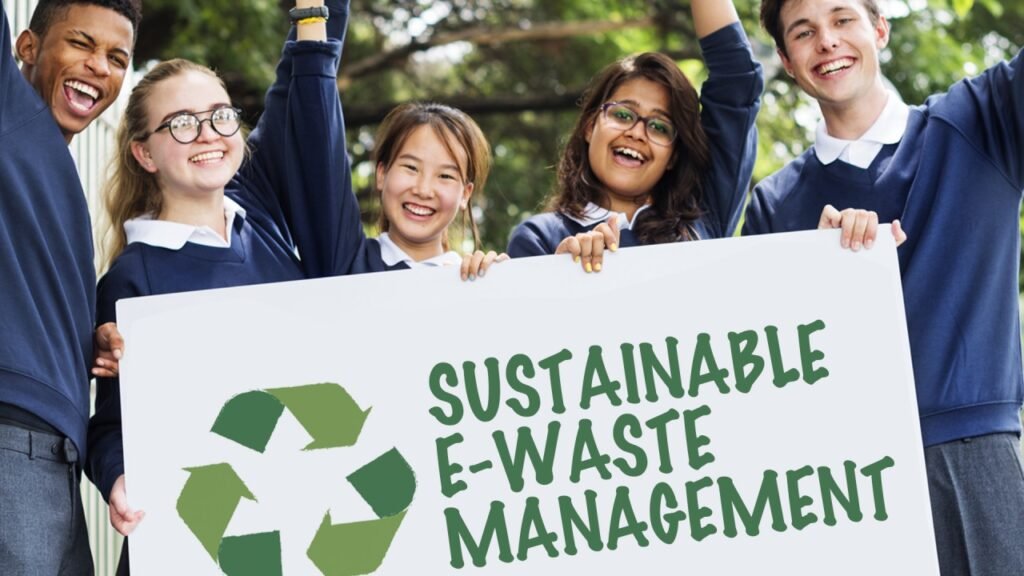
As technology continues to transform the way we live and work, electronic devices are becoming obsolete at an unprecedented rate. From smartphones and laptops to servers, printers, and household appliances, millions of electronic products reach the end of their lifecycle every year. Without proper disposal, these devices contribute to one of the world’s fastest-growing environmental challenges—electronic waste (e-waste). Sustainable electronic waste management is the long-term solution. It goes beyond simply disposing of old electronics by promoting responsible collection, secure data destruction, refurbishment, recycling, and the recovery of valuable materials. This approach reduces environmental pollution, conserves natural resources, and supports a circular economy where materials are reused instead of discarded. At Nalabix, we are committed to helping businesses, institutions, and households across Kenya manage electronic waste responsibly through secure, environmentally compliant, and sustainable e-waste solutions. What Is Sustainable Electronic Waste Management? Sustainable electronic waste management is the systematic process of handling obsolete or unwanted electronic equipment in a way that minimizes environmental impact while maximizing the recovery and reuse of valuable resources. Instead of allowing electronic devices to end up in landfills or informal recycling channels, sustainable management ensures they are: Why Sustainable Electronic Waste Management Matters. Electronic devices contain a combination of valuable materials and hazardous substances. While metals such as gold, copper, silver, and aluminium can be recovered and reused, components containing lead, mercury, cadmium, and brominated flame retardants can harm both people and the environment if improperly handled. Responsible management ensures today’s electronic waste becomes tomorrow’s valuable resource. The Growing E-Waste Challenge in Kenya. Kenya has experienced rapid growth in digital technology across businesses, schools, government institutions, healthcare facilities, and households. As organizations modernize their IT infrastructure, thousands of computers, servers, networking devices, printers, and mobile devices are replaced each year. Sustainable electronic waste management provides a practical solution by ensuring electronics are collected, processed, and recycled through licensed and environmentally responsible facilities. Key Principles of Sustainable Electronic Waste Management 1. Reduce Electronic Waste The most sustainable electronic device is the one you continue using. Organizations can reduce e-waste by: Reducing consumption minimizes waste generation and lowers operational costs. 2. Reuse and Refurbishment Many electronic devices still have functional value even after being replaced. Suitable equipment can be: Refurbishment extends product lifecycles, reduces manufacturing demand, and makes technology more accessible. 3. Secure Data Destruction Before recycling computers, laptops, servers, or storage devices, sensitive data must be permanently destroyed. Professional data destruction methods include: Secure data destruction protects organizations from data breaches while preparing equipment for recycling or resale. 4. Responsible Recycling Electronics that cannot be reused are dismantled to recover valuable materials such as: These materials are reintroduced into manufacturing, reducing the need for virgin resource extraction. Benefits of Sustainable Electronic Waste Management. Sustainable Electronic Waste Management for Businesses Businesses generate significant volumes of electronic waste during technology upgrades, office relocations, and infrastructure modernization. A sustainable e-waste strategy should include: These practices reduce environmental impact while improving operational efficiency. How Nalabix Promotes Sustainable Electronic Waste Management At Nalabix, sustainability is integrated into every stage of our electronic waste management process. We help organizations reduce their environmental footprint while ensuring secure and compliant disposal of obsolete electronics. Best Practices for Sustainable Electronic Waste Management. Whether you’re disposing of obsolete office equipment, upgrading IT infrastructure, or implementing a long-term sustainability strategy, Nalabix provides trusted, secure, and environmentally responsible e-waste management solutions tailored to your needs. Contact Nalabix today to schedule an electronic waste collection and take the next step toward a cleaner, greener, and more sustainable Kenya.
Electronic Waste Collection in Kenya: Secure, Sustainable & Compliant E-Waste Pickup Services.
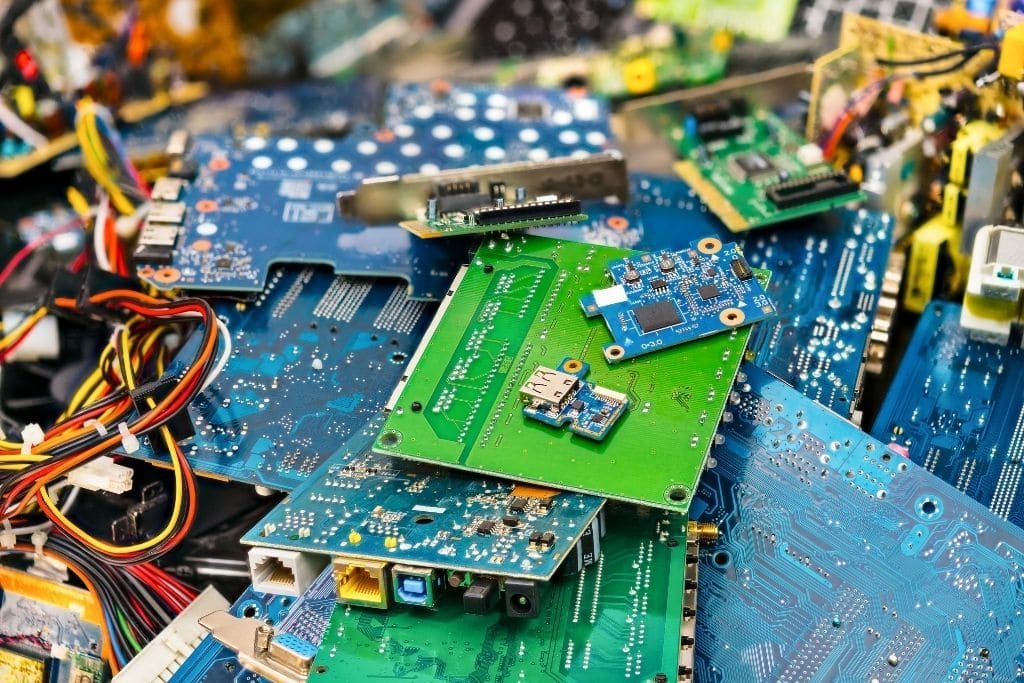
Electronic waste is accumulating faster than ever as businesses, institutions, and households upgrade their computers, phones, servers, and other electronic devices. Without proper disposal, these obsolete electronics can release hazardous substances into the environment, threaten public health, and expose sensitive data. Professional electronic waste collection in Kenya provides a safe, convenient, and environmentally responsible way to dispose of unwanted electronics. Whether you’re clearing outdated office equipment, decommissioning a data centre, or recycling household devices, partnering with a licensed e-waste recycler ensures your electronics are collected, transported, and recycled in compliance with Kenya’s environmental regulations. Kenya produces over 3,000 tonnes of e-waste annually, a figure that often mixes with regular waste and creates significant environmental hazards. More recent data paints an even starker picture – Kenya generates approximately 51,300 tonnes of e-scrap each year, yet only an estimated 17% is currently recycled . By 2024, electronic waste surged to 53,559 metric tonnes, driven largely by small household devices, cooling equipment, and ICT devices At Nalabix, we make electronic waste collection simple, secure, and sustainable—helping organizations and individuals protect the environment while supporting Kenya’s growing circular economy. Why Electronic Waste Collection Is Important in Kenya Every year, organizations replace thousands of computers, servers, printers, networking devices, and other electronic assets to keep pace with technological advancements. Unfortunately, many obsolete electronics remain stored in offices or are discarded improperly, contributing to environmental pollution and increasing the risk of data breaches. Common Electronic Waste Collected Computer Equipment IT Infrastructure Consumer Electronics Who Needs Electronic Waste Collection Services? Our electronic waste collection services are designed for organizations and individuals across every sector. Businesses Dispose of outdated office electronics securely while protecting sensitive company information. Schools & Universities Recycle obsolete ICT equipment from computer labs, administrative offices, and learning centres. Healthcare Facilities Safely dispose of medical electronics and IT equipment while maintaining data security. Banks & Financial Institutions Protect confidential customer information through secure chain-of-custody procedures and certified data destruction. Government Agencies Meet environmental compliance requirements with transparent and documented e-waste disposal. Households Recycle unwanted electronics instead of storing them or disposing of them with general household waste. How Our Electronic Waste Collection Process Works. 1. Request a Collection Contact our team to schedule a convenient pickup. We assess the quantity, location, and type of electronic waste to plan the collection efficiently. 2. On-Site Collection Our trained team arrives at your premises to safely collect and load your electronic waste using appropriate handling procedures. 3. Secure Transportation Collected equipment is transported safely to our licensed recycling facility while maintaining full chain-of-custody for sensitive assets. 4. Asset Inspection & Sorting Each item is inspected and categorized for refurbishment, recycling, or environmentally safe disposal. 5. Secure Data Destruction Where applicable, storage devices undergo certified data destruction through secure wiping or physical shredding to eliminate the risk of data recovery. 6. Recycling & Resource Recovery Electronics are dismantled, and materials such as metals, plastics, and glass are recovered for reuse, reducing the need for virgin raw materials. 7. Certification & Reporting Corporate clients receive detailed documentation, including collection records, recycling reports, and Certificates of Recycling or Data Destruction. Benefits of Professional Electronic Waste Collection Choosing a licensed electronic waste collector offers significant environmental, operational, and business benefits. Protects the Environment Prevents hazardous substances from polluting ecosystems and promotes responsible resource recovery. Enhances Data Security Ensures confidential information stored on hard drives, SSDs, and other media is permanently destroyed. Supports Kenya’s Circular Economy Recovered materials are reintroduced into manufacturing, reducing waste and conserving natural resources. Simplifies Compliance Helps organizations meet environmental regulations and corporate sustainability commitments. Frees Up Valuable Space Remove obsolete equipment from offices, warehouses, and storage rooms to improve operational efficiency. Strengthens ESG Performance Demonstrates a commitment to environmental stewardship, responsible waste management, and sustainable business practices. Why Choose Nalabix for Electronic Waste Collection in Kenya? Nalabix is a trusted provider of electronic waste collection services in Kenya, helping businesses, institutions, and households dispose of electronic waste safely and responsibly. From a single office pickup to large-scale corporate asset disposal, Nalabix delivers professional electronic waste collection solutions tailored to your needs. Partner with Kenya’s Trusted Electronic Waste Collection Experts. Proper electronic waste collection is more than removing unwanted electronics—it’s about protecting sensitive data, conserving valuable resources, and building a cleaner, more sustainable future. Whether you’re disposing of a few obsolete devices or managing a large-scale IT refresh, Nalabix provides secure, reliable, and environmentally responsible electronic waste collection in Kenya. Contact Nalabix today to schedule your electronic waste collection and take the first step toward responsible electronics recycling.
Electronic Waste Recycling Kenya
Kenya is experiencing rapid digital transformation. Businesses upgrade IT equipment regularly, schools embrace digital learning, government institutions modernize services, and households continuously purchase new electronic devices. This growth has significantly increased electronic waste. Without proper recycling: Professional electronic waste recycling in Kenya helps solve these challenges while supporting a circular economy. Common Types of Electronic Waste Recycled in Kenya Most licensed recyclers accept a wide range of electronics. Office Equipment IT Infrastructure Consumer Electronics Industrial Electronics Power Equipment The Electronic Waste Recycling Process Professional recycling follows a structured process to maximize material recovery while protecting sensitive information. 1. Collection Electronic waste is collected from homes, businesses, schools, hospitals, NGOs, factories, and government institutions. Pickup services help organizations dispose of large quantities efficiently. 2. Inventory and Assessment Each device is inspected to determine whether it should be: 3. Data Destruction Before recycling computers or storage devices, all sensitive data must be permanently removed. Professional recyclers provide: This protects confidential business and personal information. 4. Dismantling Devices are carefully dismantled into different material categories. These include: 5. Material Recovery Recovered materials are processed for reuse in manufacturing new products. This reduces demand for virgin raw materials and supports sustainable production. 6. Environmentally Responsible Disposal Materials that cannot be recycled are disposed of according to Kenyan environmental regulations. Benefits of Electronic Waste Recycling in Kenya Protects the Environment Responsible recycling prevents hazardous materials such as lead, mercury, cadmium, and brominated flame retardants from polluting ecosystems. Conserves Natural Resources Electronics contain valuable metals including: Recovering these materials reduces mining and conserves natural resources. Supports the Circular Economy Instead of discarding valuable materials, recycling returns them to manufacturing, reducing waste and creating economic opportunities. Improves Data Security Businesses often overlook the sensitive information stored on computers, servers, laptops, and storage devices. Certified electronic waste recycling includes secure destruction of confidential data. Helps Organizations Stay Compliant Proper recycling demonstrates environmental responsibility and supports ESG goals while helping organizations comply with applicable environmental regulations. Who Needs Electronic Waste Recycling? Virtually every organization generates electronic waste. Major sectors include: Choosing the Right Electronic Waste Recycling Company in Kenya Not all recyclers follow responsible practices. When selecting a recycling partner, consider whether they offer: ✅ Licensed operations ✅ Secure data destruction ✅ Collection services ✅ IT Asset Disposition (ITAD) ✅ Asset tracking ✅ Recycling certificates ✅ Certificates of Destruction ✅ Environmental compliance ✅ Corporate reporting Choosing an experienced recycler ensures your electronic waste is managed safely, legally, and responsibly. How Businesses Benefit from Electronic Waste Recycling Organizations replacing IT equipment regularly benefit through: Many companies also integrate electronic waste recycling into their sustainability and corporate social responsibility (CSR) programs. Electronic Waste Recycling and ESG Environmental, Social, and Governance (ESG) initiatives are becoming increasingly important across Kenya. Responsible electronic waste recycling contributes to ESG by: Environmental Social Governance Frequently Asked Questions Final Thoughts As technology continues to evolve, the volume of discarded electronics will continue to grow. Responsible electronic waste recycling in Kenya is essential for protecting the environment, securing sensitive data, conserving valuable resources, and supporting a sustainable circular economy. Whether you’re upgrading office equipment, decommissioning IT infrastructure, or simply clearing out obsolete electronics, choosing a trusted recycling partner ensures your electronic waste is managed safely, ethically, and responsibly. Partner with Nalabix for secure, certified, and environmentally responsible electronic waste recycling solutions across Kenya.
Sustainable E-Waste Recycling: The Key to a Greener Future
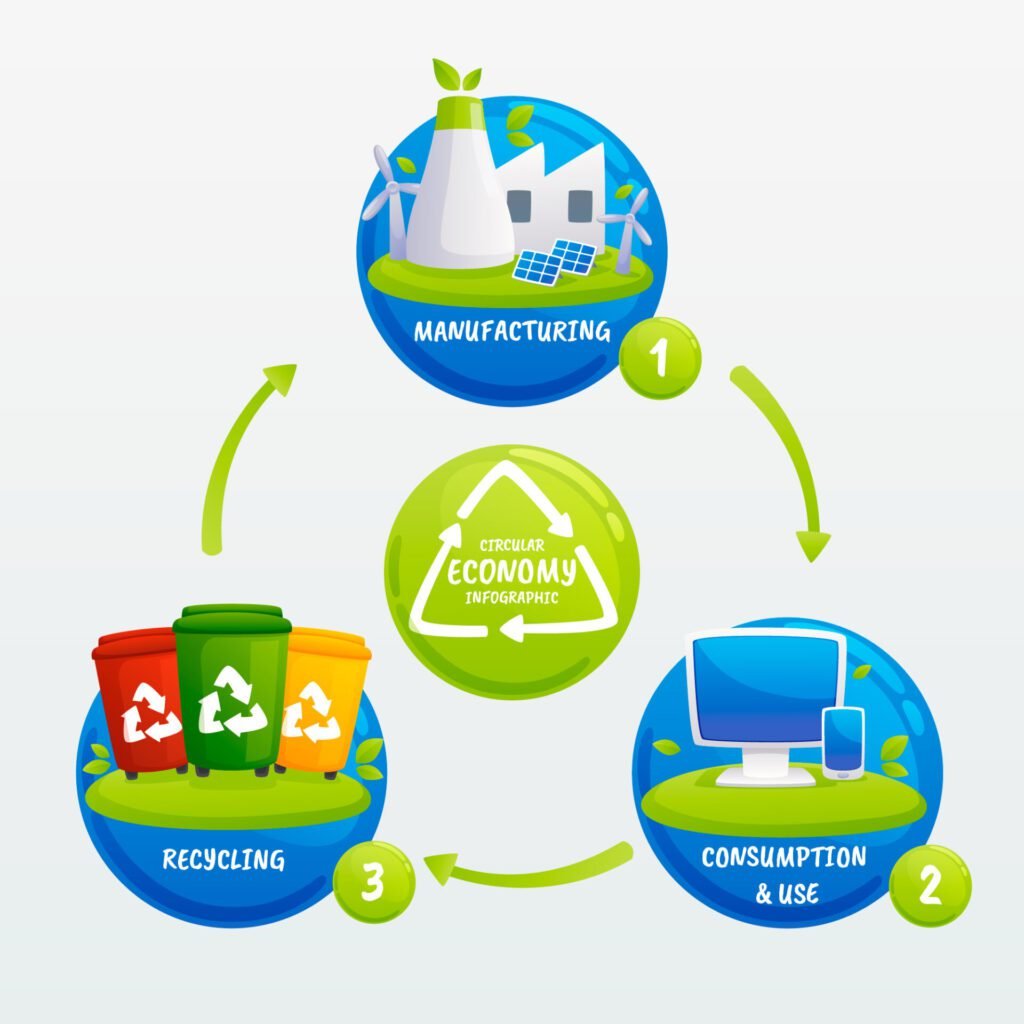
Every year, millions of electronic devices become obsolete, creating one of the world’s fastest-growing waste streams—electronic waste (e-waste). From outdated laptops and smartphones to broken printers and servers, improperly disposed electronics pose serious environmental and health risks. Sustainable e-waste recycling offers a responsible solution by recovering valuable materials, preventing pollution, protecting sensitive data, and promoting a circular economy. Whether you’re a homeowner, business, school, healthcare facility, or government institution, adopting sustainable e-waste recycling practices is essential for protecting our environment and conserving valuable resources. What Is Sustainable E-Waste Recycling? Sustainable e-waste recycling is the environmentally responsible collection, dismantling, processing, refurbishment, and recycling of discarded electronic equipment while minimizing environmental impact. Unlike dumping electronics in landfills, sustainable recycling ensures that: The ultimate goal is to extend the lifecycle of electronics while protecting people and the environment. Why Sustainable E-Waste Recycling Is Important Protects the Environment Electronic waste contains hazardous materials such as: Improper disposal allows these substances to contaminate soil, groundwater, and air. Sustainable recycling safely removes and processes these materials, reducing pollution and environmental degradation. Conserves Natural Resources Electronics contain valuable materials including: Instead of mining new raw materials, sustainable recycling recovers these resources for manufacturing new products. This reduces: Supports the Circular Economy A circular economy keeps products and materials in use for as long as possible. Rather than the traditional: Take → Make → Dispose Sustainable recycling promotes: Reduce → Reuse → Refurbish → Recycle → Recover This approach minimizes waste while maximizing resource efficiency. Reduces Greenhouse Gas Emissions Manufacturing electronics from recycled materials requires significantly less energy than producing them from newly mined resources. This helps reduce: Making sustainable e-waste recycling an important climate action strategy. Common Types of Electronic Waste Sustainable e-waste recycling covers a wide range of electronics, including: IT Equipment Office Equipment Consumer Electronics Electrical Equipment Industrial Electronics The Sustainable E-Waste Recycling Process 1. Collection Electronics are collected from: Collection may include scheduled pickups or drop-off programs. 2. Asset Inspection Items are assessed to determine whether they can be: Extending the life of usable electronics reduces unnecessary waste. 3. Secure Data Destruction Before recycling IT equipment, all sensitive information must be permanently removed. Methods include: This is especially important for organizations handling confidential information. 4. Manual Dismantling Electronic devices are carefully dismantled to separate materials such as: Proper separation improves recycling efficiency. 5. Material Recovery Recovered materials are processed and supplied to manufacturers for reuse. Examples include: 6. Responsible Disposal Hazardous components that cannot be recycled are disposed of using environmentally approved methods. Benefits of Sustainable E-Waste Recycling for Businesses Organizations that adopt sustainable recycling enjoy numerous advantages. Environmental Compliance Responsible recycling helps organizations comply with environmental regulations and sustainability policies. Enhanced Data Security Secure destruction protects confidential: ESG Performance Environmental, Social, and Governance (ESG) initiatives increasingly require responsible waste management. Sustainable e-waste recycling demonstrates a company’s commitment to environmental stewardship. Corporate Reputation Customers, investors, and partners increasingly prefer organizations that operate sustainably. Proper recycling strengthens brand reputation and corporate responsibility. Cost Savings Recovering reusable equipment and valuable materials can reduce disposal costs while maximizing asset value. Sustainable E-Waste Recycling in Kenya Kenya is experiencing rapid growth in technology adoption, leading to an increase in obsolete electronic equipment. Businesses, institutions, and households generate significant amounts of: Sustainable recycling helps Kenya: Working with licensed e-waste recyclers ensures electronics are handled safely and responsibly. Best Practices for Sustainable E-Waste Recycling Follow these recommendations for responsible disposal: Keep E-Waste Separate Never mix electronic waste with general household or office waste. Recycle Through Licensed Providers Choose certified recyclers with environmentally responsible recycling processes. Protect Sensitive Data Always erase or destroy data before disposing of computers, servers, or storage devices. Donate or Refurbish Working Equipment If electronics are still functional, consider refurbishment or donation before recycling. Schedule Regular Collection Businesses should establish periodic e-waste collection programs to prevent stockpiling. Frequently Asked Questions Conclusion As technology continues to evolve, responsible management of obsolete electronics has become a global priority. Sustainable e-waste recycling not only prevents environmental pollution but also conserves valuable resources, safeguards sensitive data, and supports a circular economy that benefits future generations. By partnering with a trusted recycler like Nalabix, organizations and individuals can dispose of electronic waste responsibly while contributing to Kenya’s sustainability goals. Whether you’re replacing office computers, decommissioning a data center, or recycling household electronics, every device recycled responsibly is a step toward a cleaner, greener future.
Circular Economy Solutions Kenya: Driving Sustainable Growth and Reducing Waste
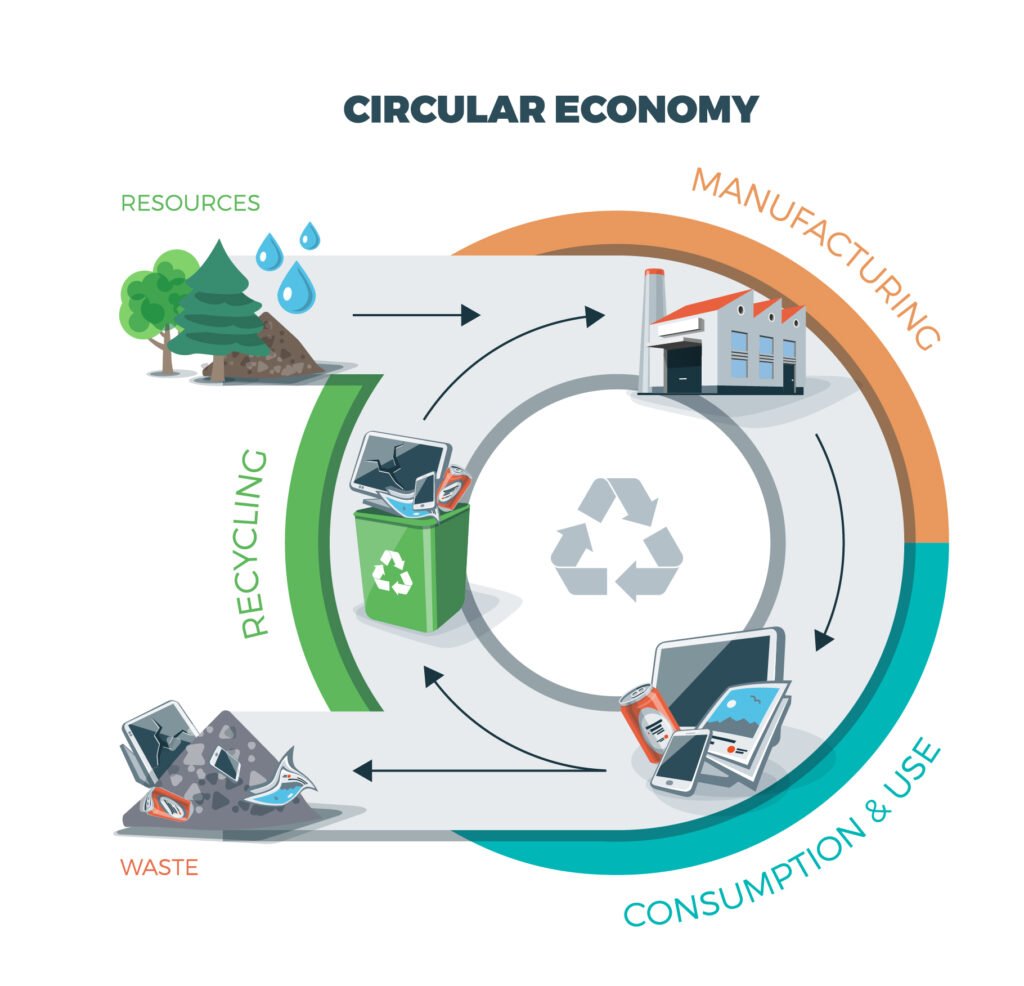
Kenya is rapidly embracing sustainability as businesses, government institutions, manufacturers, and communities seek innovative ways to reduce waste and maximize resources. One of the most effective approaches is adopting circular economy solutions in Kenya—a system designed to keep products, materials, and resources in use for as long as possible while minimizing environmental impact. Instead of the traditional “take, make, dispose” model, the circular economy focuses on reducing waste, reusing materials, repairing equipment, refurbishing products, and recycling valuable resources. This approach not only protects the environment but also creates jobs, reduces business costs, and supports Kenya’s transition toward a greener economy. What Is a Circular Economy? A circular economy is an economic model where products and materials are continuously reused, repaired, refurbished, remanufactured, or recycled rather than being discarded after a single use. Unlike the linear economy, which generates significant waste, circular economy practices aim to: The result is a more resilient economy that benefits businesses, communities, and the environment. Why Circular Economy Solutions Matter in Kenya Kenya produces thousands of tonnes of waste every year, including plastic, electronic waste (e-waste), paper, metal, glass, and industrial waste. Rapid urbanization, technological advancement, and increasing consumption have made waste management one of the country’s biggest environmental challenges. Implementing circular economy solutions in Kenya helps address these challenges by: These solutions also align with Kenya’s sustainability goals and global commitments such as the Sustainable Development Goals (SDGs). Key Circular Economy Solutions in Kenya 1. Electronic Waste Recycling Electronic devices contain valuable materials such as: Instead of ending up in landfills, these materials can be safely recovered through certified e-waste recycling. Proper recycling also prevents hazardous substances like lead, mercury, and cadmium from contaminating the environment. 2. IT Asset Disposition (ITAD) Businesses frequently upgrade computers, servers, networking equipment, and mobile devices. Rather than disposing of these assets irresponsibly, IT Asset Disposition (ITAD) enables organizations to: ITAD supports both sustainability and data security. 3. Product Refurbishment Many electronic devices can be repaired and refurbished instead of discarded. Examples include: Refurbishment extends product lifespan while reducing demand for new raw materials. 4. Resource Recovery Circular economy solutions focus on extracting valuable resources from waste. Recovered materials include: These materials can then be used in manufacturing new products. 5. Reverse Logistics Reverse logistics involves collecting used products from consumers or businesses and transporting them for: Efficient collection systems are essential for a successful circular economy. 6. Sustainable Waste Management Organizations can reduce waste by implementing: These initiatives significantly reduce environmental impact while improving operational efficiency. Benefits of Circular Economy Solutions for Businesses Adopting circular economy practices offers numerous advantages. Reduced Operating Costs Reusing materials and extending equipment life lowers procurement and waste disposal costs. Environmental Compliance Businesses can meet Kenya’s environmental regulations through responsible waste management and recycling. Improved ESG Performance Environmental, Social, and Governance (ESG) reporting increasingly values sustainable resource management and waste reduction. Enhanced Corporate Reputation Customers, investors, and stakeholders increasingly prefer organizations committed to sustainability. Resource Efficiency Circular practices maximize the value of materials already in circulation. Business Innovation The circular economy encourages new business models focused on repair, refurbishment, sharing, and recycling. Circular Economy and E-Waste Management Electronic waste is one of the fastest-growing waste streams worldwide. A circular economy addresses this challenge by: This reduces pollution while conserving valuable natural resources. Industries Benefiting from Circular Economy Solutions in Kenya Circular economy principles can be implemented across various sectors: 🏭 Manufacturing 🏦 Banking 🏥 Healthcare 🎓 Education 🏢 Government 🛒 Retail 🌍 NGOs Best Practices for Implementing a Circular Economy Organizations should: Why Choose Nalabix for Circular Economy Solutions in Kenya? Nalabix helps organizations transition from a linear waste model to a sustainable circular economy through comprehensive environmental solutions. Our services include: We work with businesses, government institutions, schools, healthcare facilities, NGOs, manufacturers, and corporate organizations across Kenya to recover valuable resources, reduce waste, and promote responsible environmental stewardship. The Future of Circular Economy in Kenya As Kenya advances toward a greener and more sustainable future, circular economy solutions will become increasingly important. Organizations that embrace responsible resource management today will benefit from improved efficiency, stronger regulatory compliance, enhanced ESG performance, and greater long-term resilience. Investing in circular economy solutions in Kenya is not only an environmental responsibility—it is also a smart business strategy that supports innovation, economic growth, and sustainable development. Conclusion The transition to a circular economy is transforming how Kenya manages resources and waste. By reducing, reusing, refurbishing, and recycling materials, businesses can lower costs, minimize environmental impact, and create lasting value. Whether through e-waste recycling, IT asset disposition, secure data destruction, refurbishment, or resource recovery, adopting circular economy solutions in Kenya helps build a cleaner, more sustainable future for generations to come. Partner with Nalabix to implement practical circular economy solutions that protect your business, recover valuable resources, and contribute to a greener Kenya.
ESG Waste Management Solutions in Kenya: A Complete Guide for Sustainable Businesses
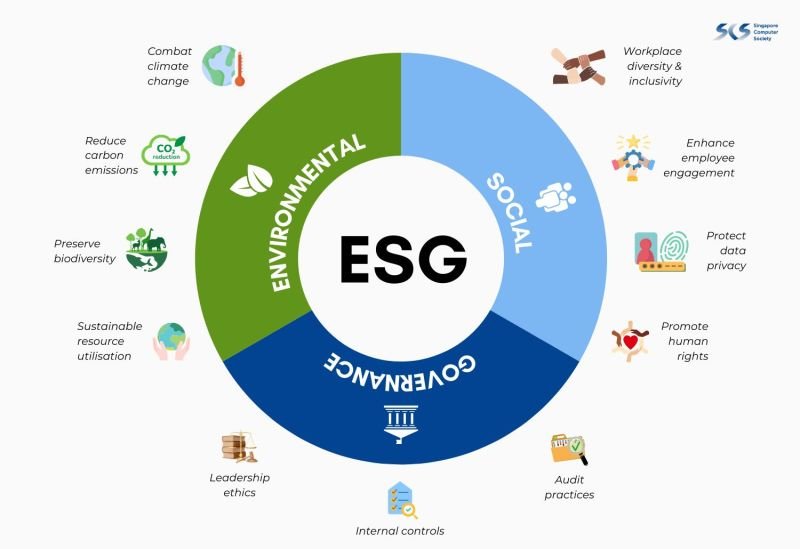
Environmental, Social, and Governance (ESG) standards are reshaping how Kenyan businesses operate — and waste management sits right at the center of that shift. Regulators, investors, and customers now expect companies to handle waste responsibly, not just for compliance, but as a genuine competitive advantage. This guide breaks down what ESG waste management means, why it matters for Kenyan organizations, and how to get started. What Is ESG Waste Management? ESG covers three pillars, and waste touches all of them: Environmental — waste reduction, recycling, lower carbon footprint Social — public health, employee safety, ethical disposal practices Governance — regulatory compliance, transparent reporting, sustainable procurement In practice, ESG waste management means minimizing environmental impact at every stage of a product’s life — through reduction, segregation, recycling, reuse, refurbishment, and secure disposal. Why ESG Waste Management Matters in Kenya Rapid urbanization and rising consumption have driven a sharp increase in electronic, plastic, industrial, and hazardous waste across Kenya. Without proper systems in place, much of this waste ends up in landfills, waterways, or informal recycling operations — creating real risks to public health and the environment. Businesses that adopt ESG-aligned waste practices are helping reverse this trend, one waste stream at a time. Key Waste Streams Businesses Should Manage E-waste: computers, servers, phones, batteries, networking equipment Office waste: paper, cardboard, toner cartridges, packaging Industrial waste: scrap metal, offcuts, chemical containers Hazardous waste: batteries, fluorescent lamps, solvents, medical waste Benefits of ESG Waste Management Cost savings — recycling and refurbishing recover value and cut disposal fees Regulatory compliance — reduces legal risk and environmental penalties Stronger ESG ratings — improves investor confidence and sustainability reporting Brand reputation — builds trust with customers, employees, and partners Environmental protection — less landfill waste, lower emissions, resource conservation The Circular Economy Advantage Traditional business follows a linear model: take → make → dispose. ESG waste management shifts this to a circular one: reduce → reuse → repair → refurbish → recycle — extending product life, recovering materials, and cutting emissions. Best Practices to Get Started Who Needs This From schools and hospitals to banks, manufacturers, government agencies, and NGOs — every sector generates waste that needs responsible handling, whether that’s ICT equipment, medical waste, or industrial byproducts. Why Choose Nalabix Nalabix helps Kenyan organizations turn ESG waste commitments into action, offering: . Electronic waste recycling and IT Asset Disposition (ITAD) . Secure data destruction with certificates . Equipment refurbishment and asset recovery . Environmental compliance support Partnering with Nalabix means reducing environmental impact, protecting sensitive data, and strengthening your ESG performance — while supporting Kenya’s shift toward a circular economy. Frequently Asked Questions (FAQs) What is ESG waste management? ESG waste management is the responsible collection, recycling, refurbishment, and disposal of waste to support environmental, social, and governance objectives. Why is ESG important in Kenya? It helps businesses reduce environmental impact, improve compliance, attract investors, and support sustainable economic growth. What types of waste are covered? Electronic waste, office waste, industrial waste, plastics, paper, metals, batteries, and other recyclable materials. How does e-waste recycling support ESG? It reduces pollution, conserves resources, protects data through secure destruction, and promotes a circular economy.
What Exactly Is E-Waste? A Complete Guide to Electronic Waste, Its Impact, and Sustainable Solutions

Introduction Electronic waste (commonly called e-waste) refers to electrical or electronic devices that are no longer wanted, no longer work, or have reached the end of their useful life. These products contain valuable materials such as gold, copper, aluminum, and silver. However, they may also contain hazardous substances like lead, mercury, cadmium, and lithium, making proper disposal essential. As technology evolves rapidly, millions of electronic devices are discarded every year, making e-waste one of the fastest-growing waste streams worldwide. In this guide, you’ll learn: What Exactly Is E-Waste? E-waste refers to discarded electrical and electronic equipment. An item becomes e-waste when it: Simply put: If it uses electricity, batteries, or electronic circuits and has reached the end of its useful life, it is probably e-waste. Read more: What Exactly Is E-Waste? Why Is It Called E-Waste? The term combines two simple words: The “E” stands for Electronic, distinguishing these products from ordinary household waste. Although the name sounds simple, it includes thousands of products—from mobile phones and laptops to refrigerators and industrial equipment. Related article: Why Is It Called E-Waste? What Is Another Name for E-Waste? Depending on the country or industry, e-waste may also be called: While the names differ slightly, they all refer to discarded electronic devices. Learn more: What Is Another Name for E-Waste? Why Is E-Waste a Growing Problem? Electronic waste has become one of today’s biggest environmental challenges. When electronics are dumped in landfills or burned, they can release harmful substances such as: These toxins may contaminate: Proper recycling prevents pollution while recovering valuable materials for reuse. Continue reading: What Is E-Waste and Why Is It a Problem? The History of Electronic Waste Electronic waste has existed for decades, but it has increased dramatically due to rapid technological advancement. Years ago, televisions, radios, and computers were used for many years before replacement. Today, electronics are replaced much more frequently because of: As a result, global e-waste continues to grow every year. Read more: History of Electronic Waste Categories of E-Waste Electronic waste falls into several categories. IT Equipment Telecommunications Equipment Consumer Electronics Household Appliances Lighting Equipment Medical Equipment Each category requires specialized recycling because the materials differ. Read the full guide: Categories of E-Waste Explained Why Is E-Waste Increasing? Several factors contribute to the growing volume of electronic waste. Rapid Technological Advancement New devices offer better performance and features, encouraging frequent upgrades. Short Product Lifecycles Many electronics become outdated within only a few years. Consumer Demand People regularly replace phones, laptops, and smart devices with newer models. Affordable Electronics Lower prices mean households own more electronic devices than ever before. Limited Repair Options Many modern devices are difficult or expensive to repair, making replacement more attractive. Learn more: Why Is E-Waste Increasing? E-Waste vs. Solid Waste Electronic waste should never be treated like ordinary household garbage. Unlike municipal solid waste, e-waste contains: Proper separation protects both the environment and personal information. Read more: E-Waste vs. Solid Waste: What’s the Difference? Environmental Impact of E-Waste Improper disposal has serious environmental consequences. Soil Contamination Toxic substances can seep into soil and reduce its quality. Water Pollution Heavy metals may contaminate rivers, lakes, and groundwater. Air Pollution Burning electronics releases dangerous gases and particles. Climate Change Manufacturing new electronics requires large amounts of energy and raw materials. Loss of Valuable Resources Millions of dollars’ worth of metals are lost each year instead of being recovered through recycling. Health Risks of E-Waste Unsafe handling of electronic waste can expose people to hazardous chemicals. Possible health effects include: Workers in informal recycling operations face the greatest risk. Why E-Waste Recycling Matters Recycling electronic waste offers many environmental and economic benefits. It helps to: How E-Waste Is Recycled Most certified recycling facilities follow these steps: Recovered materials are then reused to manufacture new products. How to Dispose of E-Waste Responsibly Instead of throwing electronics in the trash, consider these options: How Businesses Can Reduce E-Waste Organizations can minimize electronic waste by: Government Efforts to Manage E-Waste Many governments now promote responsible electronic waste management through: Simple Ways Everyone Can Reduce E-Waste You can make a difference by: The Future of E-Waste Management The future of e-waste management focuses on innovation, repairability, refurbishment, and recycling. Manufacturers are increasingly designing products that are easier to repair and recycle, while governments continue strengthening regulations and public awareness. By embracing a circular economy, valuable materials remain in use for longer, reducing environmental impact and conserving natural resources. Frequently Asked Questions About E-Waste Is e-waste recyclable? Yes. Many electronic devices can be dismantled and recycled to recover valuable materials. Can I throw electronics in the normal trash? No. Electronics should never be mixed with household waste because they contain hazardous substances and recyclable resources. Why is secure data destruction important? Computers, laptops, servers, and storage devices often contain confidential information. Professional data destruction ensures sensitive data cannot be recovered. Who should recycle e-waste? Everyone—including households, businesses, schools, hospitals, manufacturers, and government institutions. Does Kenya have e-waste regulations? Yes. Kenya has regulations governing electronic waste management. Businesses should work with licensed e-waste recyclers to remain compliant. Conclusion: Why Responsible E-Waste Recycling Matters Electronic waste is one of the fastest-growing environmental challenges of the digital age. However, it also presents an opportunity to recover valuable materials, reduce pollution, and support a more sustainable future. Whether you’re replacing a single smartphone or retiring hundreds of corporate IT assets, responsible e-waste recycling helps protect the environment, conserve natural resources, safeguard sensitive data, and ensure compliance with environmental regulations. If you’re in Kenya, partnering with a licensed e-waste recycler such as Nalabix ensures your electronics are handled safely, securely, and in accordance with national environmental standards.
What Is Considered E-Waste? Complete Guide to Electronic Waste Recycling in Kenya
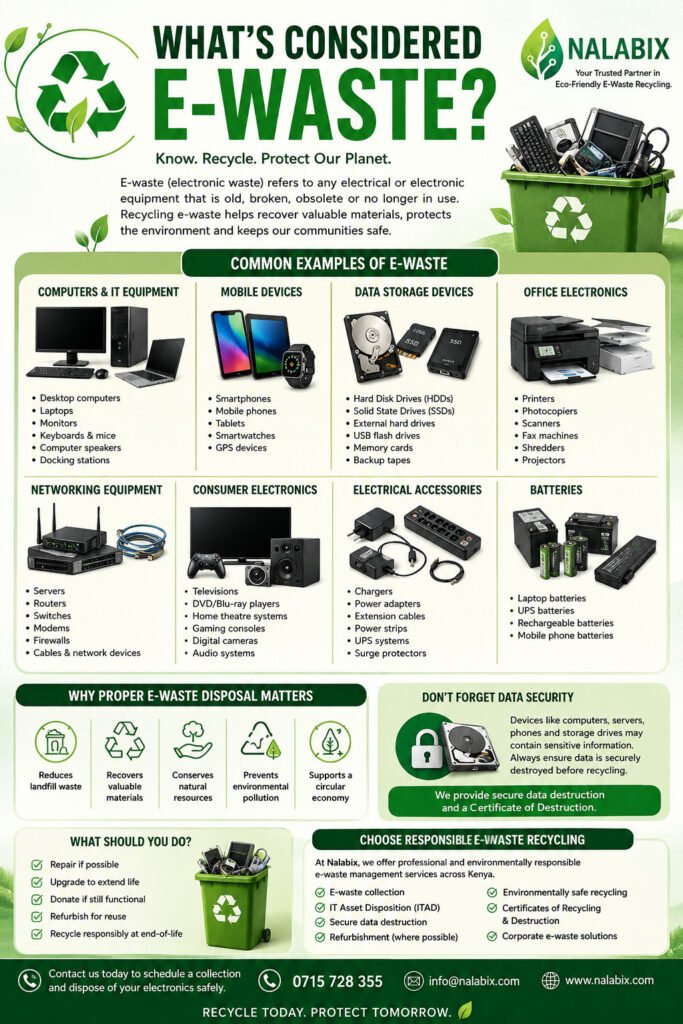
What’s Considered E-Waste? A Complete Guide to Electronic Waste As technology continues to evolve, we replace our electronic devices more frequently than ever before. But what happens to the old laptops, phones, printers, and other electronics we no longer use? These items become electronic waste (e-waste) and require responsible disposal to protect the environment and safeguard sensitive data. Understanding what qualifies as e-waste is the first step toward making environmentally responsible decisions. What Is E-Waste? Electronic waste (e-waste) refers to any electrical or electronic equipment that has reached the end of its useful life, is broken, obsolete, or no longer wanted. If a device requires electricity, batteries, or a power source to operate, it will likely become e-waste when it can no longer be used. Improper disposal of e-waste can release hazardous substances into the environment, while valuable materials such as copper, aluminum, steel, gold, and other recoverable metals may be lost instead of recycled. Common Examples of E-Waste Computers and IT Equipment Mobile Devices Data Storage Devices Office Electronics Networking Equipment Consumer Electronics Electrical Accessories Batteries Why Proper E-Waste Disposal Matters Many electronic devices contain materials that require careful handling. When discarded in open dumps or mixed with general waste, they can contribute to environmental pollution and create health risks. Responsible e-waste recycling helps to: Don’t Forget About Data Security Many electronic devices store confidential information even after files have been deleted. These include: Before recycling these devices, it is important to ensure that all data is securely destroyed using professional data destruction methods. Businesses should work with certified e-waste recyclers that provide secure data destruction and a Certificate of Destruction for sensitive storage devices. What Should You Do With Old Electronics? Before disposing of electronic equipment, consider the following options: Responsible recycling ensures valuable materials are recovered while hazardous components are handled safely. E-Waste Recycling in Kenya As Kenya continues to embrace digital transformation, the volume of electronic waste generated by businesses, institutions, and households is growing every year. Proper e-waste management is essential for protecting the environment, supporting resource recovery, and meeting environmental compliance requirements. Organizations should partner with licensed e-waste recycling companies that provide secure collection, environmentally responsible recycling, data destruction services, and documentation confirming proper disposal. Choose Responsible E-Waste Recycling At Nalabix, we provide professional e-waste recycling services across Kenya for businesses, schools, hospitals, government institutions, and individuals. Our services include: Whether you’re replacing a single laptop or decommissioning an entire data centre, responsible e-waste management protects your data, supports sustainability, and helps build a cleaner future. Need professional e-waste recycling in Kenya? Contact Nalabix today to schedule a collection and dispose of your electronics safely, securely, and responsibly.