In today’s digital age, data is the lifeblood of any organization. But what happens to that data when your IT equipment reaches the end of its life? In Kenya, the conversation around data privacy and security has shifted from a “good to have” to a critical business imperative.
From the Data Protection Act to the rising tide of cyber threats, Kenyan businesses face a complex legal and security landscape. For many, the final stage of a data’s lifecycle—its destruction—remains the weakest link. This blog is your comprehensive guide to understanding data destruction in Kenya, its legal importance, and how it protects your business. At Nalabix, we are your certified partner in turning this risk into a secure, compliant, and environmentally responsible process.
Why Data Destruction is Non-Negotiable in Kenya
Data destruction is the process of permanently erasing or physically destroying data stored on hard drives, SSDs, and other digital media. The goal is to ensure that data can never be recovered and misused by unauthorized parties .
For businesses in Kenya, the reasons to prioritize this are compelling.

The Legal Imperative: Kenya’s Data Protection Act, 2019
Kenya’s Data Protection Act (DPA) of 2019 is not just a set of guidelines; it is the law. It mandates responsible data handling across its entire lifecycle, including its final disposal . The law gives individuals the “right to erasure,” meaning they can request the deletion of their personal data when it is no longer needed .
Failure to comply can lead to severe penalties. The Office of the Data Protection Commissioner (ODPC) can impose administrative fines of up to KES 5 million or 1% of an undertaking’s annual turnover . Beyond the financial penalty, non-compliance can damage your reputation and erode customer trust.
The Security Threat Landscape
The urgency for secure data destruction is amplified by the current cyber threat environment. A threat landscape report for Kenya highlights the significant risks, noting that a majority of threats are specifically targeting the country .
- Credential Theft: Stealer logs have exposed nearly 750,000 email/password combinations in Kenya, often targeting high-traffic platforms like
ecitizen.go.keandbetika.com. - Phishing and Ransomware: The National Security and Banking sectors are prime targets for phishing attacks, while the Manufacturing sector is the hardest hit by ransomware .
When a device is improperly disposed of, it can become a goldmine for cybercriminals. Secure data destruction ensures that even if hardware falls into the wrong hands, your sensitive information is irretrievable.
Data Wiping vs. Physical Destruction: What’s the Difference?
Choosing the right method is key to balancing security, cost, and environmental impact. The two main approaches are software-based wiping and physical destruction.
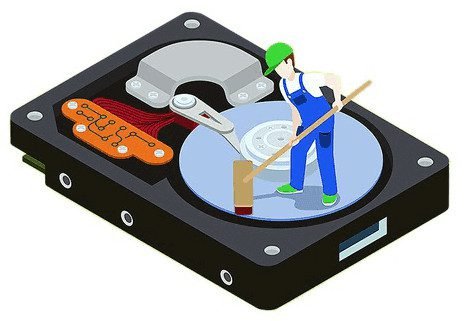
Data Wiping (Software-Based Erasure)
This method uses specialized software to overwrite existing data with random patterns of meaningless information . Think of it as scribbling over a page so thoroughly that the original writing is gone.
Pros:
- Device Reusability: The drive can be reused, resold, or donated, helping to offset costs and contributing to sustainability.
- Cost-Effective: Often more affordable for large volumes of drives .
- Auditable: When done correctly by a certified provider, it provides a verifiable log. Nalabix follows the NIST 800-88 standard, which includes “Clear/Purge” guidelines .
Cons:
Physical Destruction (Shredding/Degaussing)
This is the most definitive form of data destruction.
Shredding: Physically shredding the hard drive or SSD into tiny pieces, rendering the storage media completely unusable . Nalabix offers on-site shredding so the drives never leave your custody, providing maximum peace of mind .
Degaussing: Using a powerful magnetic field to destroy the magnetic properties of a hard drive or tape . This is highly effective for HDDs but does not work on SSDs.
Pros:
- Irreversible: Guarantees that data cannot be recovered.
- Fast: The process is very quick.
Cons:
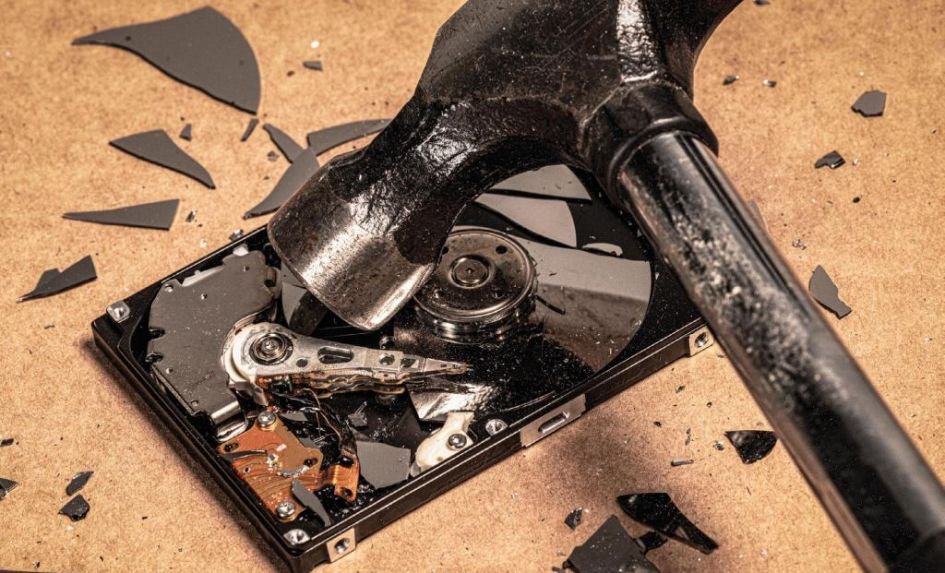
At Nalabix, we help you choose the optimal strategy. We can wipe assets for reuse to lower program costs and shred high-risk media to eliminate exposure. Our team of experts can guide you through this based on your industry, data sensitivity, and business goals .
Final Thoughts: Don’t Gamble with Your Data.
Data destruction is not just about throwing away old hardware. It’s about protecting your business from severe financial penalties, reputational damage, and devastating data breaches. It’s about adhering to Kenyan law and safeguarding your clients’ and employees’ privacy.
At Nalabix, we combine security, compliance, and sustainability to provide a seamless and worry-free process.
Secure your business future. Choose certified data destruction.
Contact Nalabix today for a quote or to schedule a pickup. Our team of experts is ready to help you securely retire your IT assets.
This article is for informational purposes only and does not constitute legal advice. Please consult with a legal professional for specific guidance on compliance.