Kenya is rapidly embracing sustainability as businesses, government institutions, manufacturers, and communities seek innovative ways to reduce waste and maximize resources. One of the most effective approaches is adopting circular economy solutions in Kenya—a system designed to keep products, materials, and resources in use for as long as possible while minimizing environmental impact.
Instead of the traditional “take, make, dispose” model, the circular economy focuses on reducing waste, reusing materials, repairing equipment, refurbishing products, and recycling valuable resources. This approach not only protects the environment but also creates jobs, reduces business costs, and supports Kenya’s transition toward a greener economy.
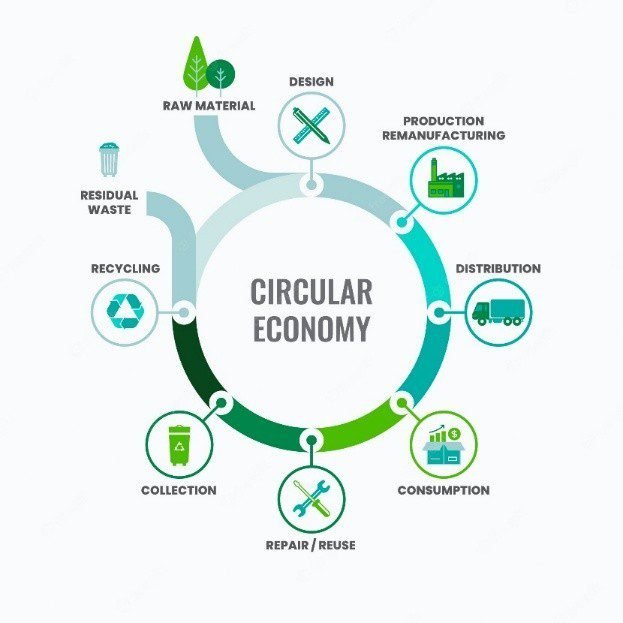
What Is a Circular Economy?
A circular economy is an economic model where products and materials are continuously reused, repaired, refurbished, remanufactured, or recycled rather than being discarded after a single use.
Unlike the linear economy, which generates significant waste, circular economy practices aim to:
- ♻️ Reduce waste generation
- 🔄 Extend product life cycles
- 🌍 Conserve natural resources
- 💼 Create sustainable business opportunities
- 📈 Improve operational efficiency
- 🌱 Lower carbon emissions
The result is a more resilient economy that benefits businesses, communities, and the environment.
Why Circular Economy Solutions Matter in Kenya
Kenya produces thousands of tonnes of waste every year, including plastic, electronic waste (e-waste), paper, metal, glass, and industrial waste. Rapid urbanization, technological advancement, and increasing consumption have made waste management one of the country’s biggest environmental challenges.
Implementing circular economy solutions in Kenya helps address these challenges by:
- Reducing landfill waste
- Recovering valuable raw materials
- Encouraging sustainable manufacturing
- Supporting green innovation
- Creating employment opportunities
- Promoting responsible consumption
- Strengthening environmental compliance
These solutions also align with Kenya’s sustainability goals and global commitments such as the Sustainable Development Goals (SDGs).
Key Circular Economy Solutions in Kenya
1. Electronic Waste Recycling
Electronic devices contain valuable materials such as:
- Gold
- Copper
- Aluminium
- Steel
- Silver
- Rare earth metals
Instead of ending up in landfills, these materials can be safely recovered through certified e-waste recycling.
Proper recycling also prevents hazardous substances like lead, mercury, and cadmium from contaminating the environment.
2. IT Asset Disposition (ITAD)
Businesses frequently upgrade computers, servers, networking equipment, and mobile devices.
Rather than disposing of these assets irresponsibly, IT Asset Disposition (ITAD) enables organizations to:
- Securely erase data
- Refurbish reusable equipment
- Recover asset value
- Recycle obsolete electronics
- Receive certificates of responsible disposal
ITAD supports both sustainability and data security.
3. Product Refurbishment
Many electronic devices can be repaired and refurbished instead of discarded.
Examples include:
- Laptops
- Desktop computers
- Monitors
- Networking equipment
- Office electronics
Refurbishment extends product lifespan while reducing demand for new raw materials.
4. Resource Recovery
Circular economy solutions focus on extracting valuable resources from waste.
Recovered materials include:
- Metals
- Plastics
- Glass
- Circuit boards
- Batteries
- Packaging materials
These materials can then be used in manufacturing new products.
5. Reverse Logistics
Reverse logistics involves collecting used products from consumers or businesses and transporting them for:
- Repair
- Refurbishment
- Recycling
- Responsible disposal
Efficient collection systems are essential for a successful circular economy.
6. Sustainable Waste Management
Organizations can reduce waste by implementing:
- Waste segregation
- Recycling programs
- Composting
- Material recovery
- Responsible disposal practices
These initiatives significantly reduce environmental impact while improving operational efficiency.
Benefits of Circular Economy Solutions for Businesses
Adopting circular economy practices offers numerous advantages.
Reduced Operating Costs
Reusing materials and extending equipment life lowers procurement and waste disposal costs.
Environmental Compliance
Businesses can meet Kenya’s environmental regulations through responsible waste management and recycling.
Improved ESG Performance
Environmental, Social, and Governance (ESG) reporting increasingly values sustainable resource management and waste reduction.
Enhanced Corporate Reputation
Customers, investors, and stakeholders increasingly prefer organizations committed to sustainability.
Resource Efficiency
Circular practices maximize the value of materials already in circulation.
Business Innovation
The circular economy encourages new business models focused on repair, refurbishment, sharing, and recycling.
Circular Economy and E-Waste Management
Electronic waste is one of the fastest-growing waste streams worldwide.
A circular economy addresses this challenge by:
- Repairing electronic devices
- Refurbishing usable equipment
- Recovering valuable metals
- Recycling obsolete electronics
- Safely disposing of hazardous components
This reduces pollution while conserving valuable natural resources.
Industries Benefiting from Circular Economy Solutions in Kenya
Circular economy principles can be implemented across various sectors:
🏭 Manufacturing
- Material recovery
- Production waste reduction
- Sustainable packaging
🏦 Banking
- Secure IT asset disposal
- Data destruction
- Electronics recycling
🏥 Healthcare
- Responsible disposal of obsolete medical electronics
- Sustainable procurement
🎓 Education
- Refurbishment of school computers
- E-waste collection programs
🏢 Government
- Sustainable public asset management
- Responsible electronics disposal
🛒 Retail
- Packaging recycling
- Reverse logistics
- Product take-back programs
🌍 NGOs
- Environmental conservation initiatives
- Community recycling programs
Best Practices for Implementing a Circular Economy
Organizations should:
- Conduct regular waste audits
- Establish recycling programs
- Partner with licensed recyclers
- Securely dispose of obsolete IT equipment
- Encourage repair before replacement
- Train employees on sustainability practices
- Track recycling and recovery metrics
- Integrate circular economy goals into ESG strategies
Why Choose Nalabix for Circular Economy Solutions in Kenya?
Nalabix helps organizations transition from a linear waste model to a sustainable circular economy through comprehensive environmental solutions.
Our services include:
- ♻️ Electronic waste recycling
- 💻 IT Asset Disposition (ITAD)
- 🔒 Secure data destruction
- 🚚 Nationwide e-waste collection
- 🔄 Electronics refurbishment
- 📜 Recycling and destruction certificates
- 🌍 ESG and sustainability support
- 📊 Environmental compliance assistance
We work with businesses, government institutions, schools, healthcare facilities, NGOs, manufacturers, and corporate organizations across Kenya to recover valuable resources, reduce waste, and promote responsible environmental stewardship.
The Future of Circular Economy in Kenya
As Kenya advances toward a greener and more sustainable future, circular economy solutions will become increasingly important. Organizations that embrace responsible resource management today will benefit from improved efficiency, stronger regulatory compliance, enhanced ESG performance, and greater long-term resilience.
Investing in circular economy solutions in Kenya is not only an environmental responsibility—it is also a smart business strategy that supports innovation, economic growth, and sustainable development.
Conclusion
The transition to a circular economy is transforming how Kenya manages resources and waste. By reducing, reusing, refurbishing, and recycling materials, businesses can lower costs, minimize environmental impact, and create lasting value.
Whether through e-waste recycling, IT asset disposition, secure data destruction, refurbishment, or resource recovery, adopting circular economy solutions in Kenya helps build a cleaner, more sustainable future for generations to come.
Partner with Nalabix to implement practical circular economy solutions that protect your business, recover valuable resources, and contribute to a greener Kenya.