Environmental, Social, and Governance (ESG) standards are reshaping how Kenyan businesses operate — and waste management sits right at the center of that shift. Regulators, investors, and customers now expect companies to handle waste responsibly, not just for compliance, but as a genuine competitive advantage.
This guide breaks down what ESG waste management means, why it matters for Kenyan organizations, and how to get started.
What Is ESG Waste Management?
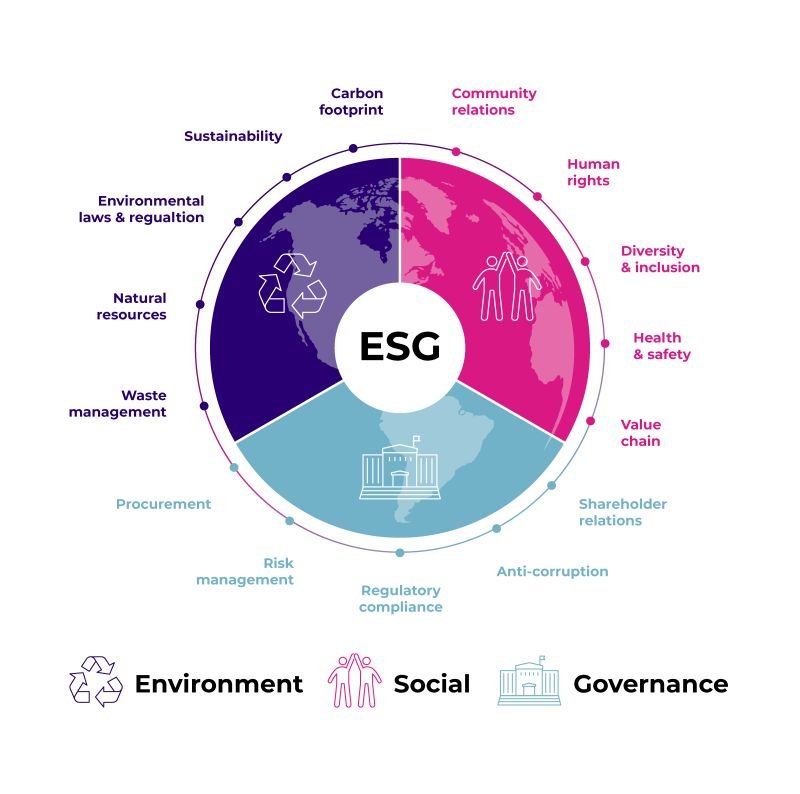
ESG covers three pillars, and waste touches all of them:
Environmental — waste reduction, recycling, lower carbon footprint
Social — public health, employee safety, ethical disposal practices
Governance — regulatory compliance, transparent reporting, sustainable procurement
In practice, ESG waste management means minimizing environmental impact at every stage of a product’s life — through reduction, segregation, recycling, reuse, refurbishment, and secure disposal.
Why ESG Waste Management Matters in Kenya
Rapid urbanization and rising consumption have driven a sharp increase in electronic, plastic, industrial, and hazardous waste across Kenya. Without proper systems in place, much of this waste ends up in landfills, waterways, or informal recycling operations — creating real risks to public health and the environment.
Businesses that adopt ESG-aligned waste practices are helping reverse this trend, one waste stream at a time.
Key Waste Streams Businesses Should Manage
E-waste: computers, servers, phones, batteries, networking equipment
Office waste: paper, cardboard, toner cartridges, packaging
Industrial waste: scrap metal, offcuts, chemical containers
Hazardous waste: batteries, fluorescent lamps, solvents, medical waste
Benefits of ESG Waste Management
Cost savings — recycling and refurbishing recover value and cut disposal fees
Regulatory compliance — reduces legal risk and environmental penalties
Stronger ESG ratings — improves investor confidence and sustainability reporting
Brand reputation — builds trust with customers, employees, and partners
Environmental protection — less landfill waste, lower emissions, resource conservation
The Circular Economy Advantage
Traditional business follows a linear model: take → make → dispose. ESG waste management shifts this to a circular one: reduce → reuse → repair → refurbish → recycle — extending product life, recovering materials, and cutting emissions.
Best Practices to Get Started
- Audit your waste to identify reduction and recycling opportunities.
- Segregate at source — paper, plastics, metals, e-waste, and hazardous materials separately.
- Partner with licensed recyclers for compliant collection and disposal.
- Secure your data before disposing of IT equipment — wipe drives, shred media, and get certificates of destruction.
- Track your metrics — recycling rates, landfill diversion, and materials recovered — to support ESG reporting.
Who Needs This
From schools and hospitals to banks, manufacturers, government agencies, and NGOs — every sector generates waste that needs responsible handling, whether that’s ICT equipment, medical waste, or industrial byproducts.
Why Choose Nalabix
Nalabix helps Kenyan organizations turn ESG waste commitments into action, offering:
. Electronic waste recycling and IT Asset Disposition (ITAD)
. Secure data destruction with certificates
. Equipment refurbishment and asset recovery
. Environmental compliance support
Partnering with Nalabix means reducing environmental impact, protecting sensitive data, and strengthening your ESG performance — while supporting Kenya’s shift toward a circular economy.
Frequently Asked Questions (FAQs)
What is ESG waste management?
ESG waste management is the responsible collection, recycling, refurbishment, and disposal of waste to support environmental, social, and governance objectives.
Why is ESG important in Kenya?
It helps businesses reduce environmental impact, improve compliance, attract investors, and support sustainable economic growth.
What types of waste are covered?
Electronic waste, office waste, industrial waste, plastics, paper, metals, batteries, and other recyclable materials.
How does e-waste recycling support ESG?
It reduces pollution, conserves resources, protects data through secure destruction, and promotes a circular economy.