IT Asset Disposal Checklist: A Step-by-Step Guide for Kenyan Businesses.
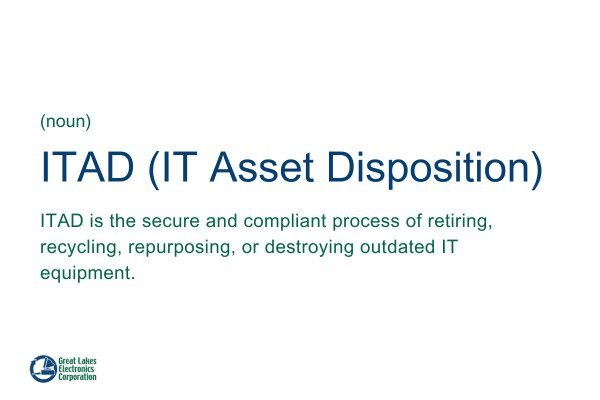
Every business eventually replaces its IT equipment. Whether you’re upgrading office computers, refreshing laptops, decommissioning a data centre, or replacing network infrastructure, proper IT Asset Disposal (ITAD) is essential. With over six years of experience in IT asset disposition, I’ve seen the chaos that follows when businesses dispose of old equipment without a plan. Servers left in hallways. Hard drives forgotten in storage rooms. Data breaches waiting to happen. An IT asset disposal checklist isn’t just good practice—it’s a compliance necessity. Here’s a comprehensive, step-by-step guide based on what I’ve seen work for organizations across Kenya. What Is IT Asset Disposal (ITAD)? IT Asset Disposal (ITAD) is the structured process of securely retiring, sanitizing, refurbishing, recycling, or disposing of obsolete IT equipment. The goal is to protect sensitive data while maximizing the value of retired assets and minimizing environmental impact. Why Every Business Needs an IT Asset Disposal Checklist. Without a clear disposal process, organizations risk: A checklist ensures every device is handled consistently and securely. The Seven-Step Checklist Step 1: Asset Identification and Inventory You can’t dispose of what you don’t know exists. Why it matters: Without a baseline inventory, you cannot quantify your disposal program or demonstrate compliance on audits. Step 2: Policy Definition and Stakeholder Coordination Asset disposal requires coordination between IT departments, compliance teams, finance, and sustainability managers. What to do: Define what constitutes an IT asset in your organization. Establish disposal timelines and methods (reuse, resale, or destruction). Decide whether decommissioning will happen onsite or through a certified vendor. Review Kenya’s tax implications under the Finance Act 2025—asset disposals are now “standalone” tax events where capital losses cannot offset gains. Why it matters: Poor coordination leads to conflicting priorities—IT wants speed, compliance wants security, finance wants value recovery. Step 3: Data Sanitization This is non-negotiable. Simply deleting files or reformatting drives does not remove the data. Under the NIST SP 800-88 standard, there are three levels of data sanitization. Method Description Best For Clear Logical overwrite of user-addressable storage locations Internal reuse, low-risk data Purge Physical or logical techniques that render recovery infeasible using laboratory methods (e.g., degaussing, cryptographic erase) Higher-sensitivity data Destroy Physical destruction (shredding, crushing, incineration) Highly sensitive data; regulatory mandates What to do: Why it matters: Data breaches from improper disposal lead to ODPC fines of up to KES 5 million or 1% of annual turnover, plus reputational damage. Step 4: Physical Destruction (If Required) For devices containing highly sensitive data or physically damaged drives, physical destruction is the safest option. Why it matters: Techniques like bending or shooting a hole through a drive may only partly damage it—professional shredding is required for full destruction. Step 5: Chain of Custody and Secure Transport When assets leave your premises, you lose visibility. A rigorous chain of custody maintains accountability. What to do: Why it matters: The greatest risk to data security occurs when you cannot see the asset . Why it matters: Extending device life reduces procurement costs, lowers carbon footprint, and keeps materials out of landfills. Step 7: Documentation and Certification “Without a paper trail, it didn’t happen”. What to include in your evidence pack: Kenya-specific documentation: Why it matters: This documentation is your defense in an ODPC audit or KRA tax review. Additional Requirements: Employee Return Programs For organizations with distributed workforces, employee return programs present unique challenges. Devices that aren’t returned are at risk of data exposure. Checklist items: Frequently Asked Questions What is an IT Asset Disposal Checklist? An IT Asset Disposal Checklist is a structured list of tasks that helps organizations securely retire, sanitize, refurbish, recycle, or dispose of obsolete IT equipment while protecting sensitive data and maintaining compliance. Why is secure data destruction included in ITAD? Computers, servers, laptops, and storage devices often contain confidential business information. Secure data destruction prevents unauthorized access before equipment is reused or recycled. What equipment should be included in IT asset disposal? Organizations should include computers, laptops, servers, hard drives, SSDs, networking equipment, printers, mobile devices, storage systems, and backup media. Why should businesses work with a licensed ITAD provider? Licensed providers follow secure handling procedures, offer certified data destruction, support environmentally responsible recycling, and provide documentation to support audits and compliance. Final Thoughts An effective IT Asset Disposal process is more than simply removing old equipment—it is a critical part of information security, operational efficiency, and environmental responsibility. By following a structured IT Asset Disposal Checklist, businesses can reduce the risk of data breaches, recover value from retired assets, maintain accurate records, and ensure obsolete electronics are managed responsibly. At Nalabix, we help Kenyan businesses navigate every step of the ITAD process—from inventory to data destruction to value recovery. We provide audit-ready evidence packs that protect you in an audit. Ready to dispose of your IT assets securely? Contact Nalabix today to schedule a pickup.
10 Environmental Benefits of Recycling Electronic Waste.
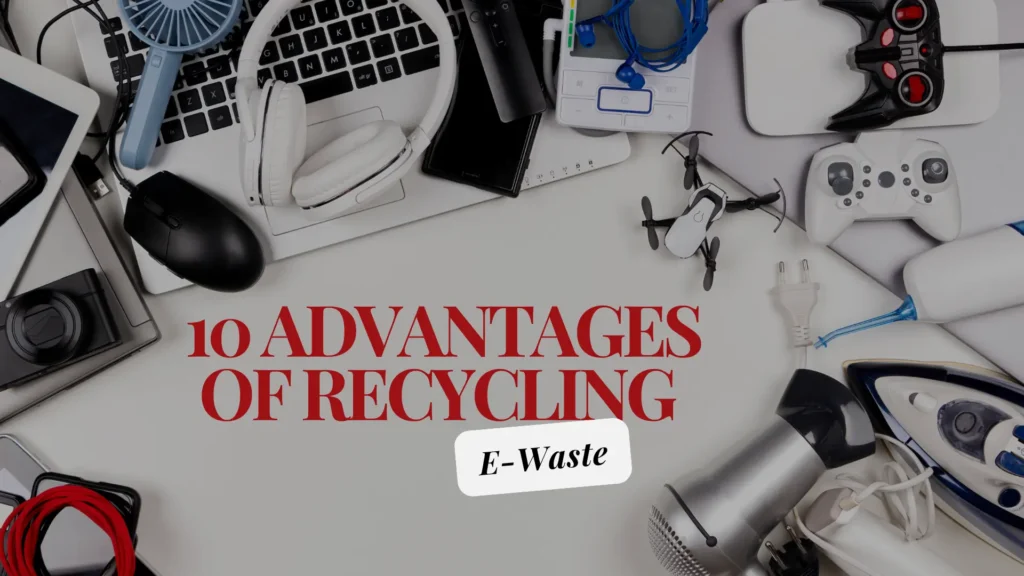
Every year, millions of electronic devices reach the end of their useful life. Smartphones, laptops, printers, televisions, servers, batteries, and household appliances are replaced as technology evolves. While these devices improve our lives, they also create one of the world’s fastest-growing waste streams—electronic waste (e-waste). I have witnessed firsthand how responsible e-waste recycling transforms environmental challenges into opportunities for recovery and regeneration. In a world where electronic waste is growing at an alarming rate, understanding the tangible environmental benefits of recycling our gadgets is essential. Here are ten powerful ways recycling e-waste benefits our planet. 1. Conservation of Natural Resources. Every electronic device contains precious metals. One tonne of printed circuit boards contains at least 200 kg of copper, 0.4 kg of silver, and 0.09 kg of gold—concentrations that can be ten times higher than natural ores.When we recycle, we recover these valuable metals for reuse, significantly reducing the need for destructive mining operations that destroy habitats and pollute soil and water Instead of tearing up the earth for new resources, recycling lets us tap into the urban mine of discarded electronics. Kenya, generating approximately 51,300 metric tonnes of e-waste annually, has a significant opportunity to recover these resources locally. 2. Reducing Greenhouse Gas Emissions. The environmental footprint of mining is staggering. Recycling precious metals from e-waste would prevent the emission of 52 million tonnes of mining-related greenhouse gases. It is also projected that recycling plastics from waste electrical and electronic equipment could contribute to 10 million tonnes of carbon reduction by 2050. Every device we recycle reduces the energy-intensive demand for virgin material extraction, directly helping to combat climate change. 3. Reducing Pollution of Soil and Water. When e-waste ends up in landfills, hazardous substances like lead, cadmium, and mercury leach into the ground, contaminating the soil and water supply.In Kenya, the estimated value of avoided agricultural losses from proper e-waste recycling is around KES 200 million per year, as it prevents heavy metals from accumulating in soil and reducing agricultural productivity. 4. Preventing Air Pollution from Toxic Burning. A common method of informal e-waste “recycling” is open burning of plastics to extract copper and other metals. This releases toxic fumes along with dioxins, furans, and heavy metals, leading to long-term environmental contamination and bioaccumulation in food chains.Formal recycling ensures these materials are processed safely, keeping our air clean. 5. Reducing the Need for Hazardous Mining. Mining for metals like gold, copper, and rare earths destroys habitats, produces heaps of toxic waste, and is linked to human rights abuses.By recycling e-waste, we reduce the demand for “conflict minerals” and support a more ethical supply chain. “There are many benefits of recovered raw materials… that is the reason we must recycle every gram of gold and neodymium that is in e-waste”. 6. Preserving Biodiversity and Ecosystems. Toxic substances from e-waste that contaminate waterways and soil harm wildlife—especially aquatic species. The ecological value is difficult to monetize but is critical for ecosystem resilience. Cleaner environments also support Kenya’s tourism brand, with an estimated tourism value contribution of KES 50–100 million per year. 7. Saving Energy Extracting secondary metals through recycling consumes far less energy than mining and processing virgin materials.Producing new electronics from raw materials is an energy-intensive process, while recycling significantly reduces electricity, fossil fuel, and water consumption. The result? A lower carbon footprint for every device we keep out of the ground. 8. Reducing Reliance on Foreign Imports. Kenya imports approximately 70% of its electrical and electronic equipment.Recycling e-waste provides secondary raw materials like copper and aluminum, reducing foreign exchange outflows and import dependency. This import substitution effect is valued at KES 500 million to 1 billion per year at 30% recovery 9. Extending the Lifespan of Materials Through the Circular Economy One of the most profound environmental benefits is that recycling keeps materials in circulation. Instead of a “take-make-dispose” model, the circular economy uses resources efficiently. In Kenya, innovations like those at Qtron Industries are giving electric vehicle batteries a second life by repurposing them for solar and wind energy storage 10. Encouraging Sustainable Consumption and Responsibility When we recycle, we send a powerful message about responsibility. Participating in electronic recycling encourages sustainable practices and responsible consumption.It inspires communities, businesses, and governments to prioritize sustainability, helping to break the cycle of disposability that defines modern consumer culture. Why Choose Nalabix for Responsible E-Waste Recycling? At Nalabix, environmental protection is at the heart of everything we do. We help businesses, institutions, and households across Kenya recycle electronic waste safely and responsibly through professional collection, secure processing, and environmentally sound recycling practices. Our services include: By partnering with Nalabix, organizations not only protect sensitive information but also contribute to a cleaner environment and a stronger circular economy. The Future of E-Waste Recycling in Kenya As Kenya continues to expand its digital economy, the volume of electronic waste will continue to grow. Businesses, government institutions, schools, healthcare providers, manufacturers, and households all have an important role to play in reducing the environmental impact of obsolete electronics. Choosing responsible recycling today helps preserve natural resources, reduce pollution, and create a more sustainable future for generations to come. Frequently Asked Questions Why is recycling electronic waste important? Recycling electronic waste prevents pollution, conserves valuable resources, reduces landfill waste, and supports sustainable manufacturing. What environmental problems does e-waste cause? Improperly managed electronic waste can contaminate soil and water, release toxic substances, increase greenhouse gas emissions, and damage ecosystems. Can valuable materials be recovered from old electronics? Yes. Electronics contain valuable materials such as gold, copper, aluminium, silver, steel, and rare earth elements that can be recovered and reused through responsible recycling. How can businesses recycle electronic waste responsibly? Businesses should work with licensed e-waste recycling companies that provide secure collection, certified data destruction, IT Asset Disposal (ITAD), and environmentally responsible recycling. Final Thoughts Electronic waste is not just a growing environmental challenge—it is also an opportunity to build a more sustainable future. The environmental case for recycling electronic waste is overwhelming. From saving
Hard Drive Destruction vs Secure Data Wiping: Which Is Better?
Every computer, laptop, server, and storage device eventually reaches the end of its useful life. But before you sell, recycle, refurbish, or dispose of these devices, you must answer one critical question: How do you ensure no one can recover the data stored on them? Despite the risks, many organizations still believe that deleting files or formatting a hard drive provides complete protection. However, readily available software can often recover deleted data, exposing sensitive business information to cybercriminals and unauthorized users. To prevent data breaches, businesses typically choose between secure data wiping and physical hard drive destruction. While both methods are effective when performed correctly, they serve different purposes. In this guide, we’ll compare both approaches, explain their advantages and limitations, and help you determine which solution best fits your organization’s data security and sustainability goals. Why Secure Data Disposal Matters Old storage devices often contain valuable and confidential information, including: If your organization discards these devices without properly sanitizing them, you could face: Protecting information should always be the first step before retiring any IT asset. What Is Secure Data Wiping? Secure data wiping is a software-based process that permanently overwrites the data stored on a hard drive or solid-state drive (SSD). Rather than simply deleting files, specialized software writes new data across the storage media multiple times—or follows modern sanitization standards—to make the original information unrecoverable. Advantages of Secure Data Wiping. Allows Equipment Reuse Because the storage device remains functional, it can be: This supports sustainability and extends the lifecycle of IT assets. Maximizes Asset Value Organizations can recover value from equipment instead of destroying usable hardware. This is especially important for: Audit Documentation Professional wiping services provide detailed reports showing: These records support compliance and internal audits. Limitations of Secure Data Wiping While highly effective, data wiping may not be appropriate when: In these situations, physical destruction is often the preferred option. How Hard Drive Destruction Works. A professional destruction process generally includes: This ensures both data security and environmentally responsible disposal. Advantages of Hard Drive Destruction. Maximum Data Security Once a drive has been shredded or otherwise destroyed, recovering data is practically impossible. This makes it suitable for: Fast Processing Large quantities of obsolete drives can be destroyed quickly during IT refresh projects or data centre decommissioning. Compliance Support Many organizations require documented proof that storage devices have been physically destroyed. Certificates provide evidence for audits and regulatory requirements. Hard Drive Destruction vs. Secure Data Wiping Feature Secure Data Wiping Hard Drive Destruction Data permanently removed ✅ Yes ✅ Yes Drive remains usable ✅ Yes ❌ No Supports refurbishment ✅ Yes ❌ No Asset value recovery ✅ Yes ❌ No Suitable for damaged drives ❌ No ✅ Yes Best for failed drives ❌ No ✅ Yes Environmentally sustainable ✅ Excellent ✅ Good (when recycled) Highest level of physical assurance ❌ No ✅ Yes The Best Practice: Use Both When Appropriate Many organizations use a combination of both methods. For example: This balanced approach strengthens security while reducing unnecessary electronic waste. Whether you are retiring a single laptop or hundreds of enterprise storage devices, our team follows documented procedures that prioritize data security, compliance, and environmental responsibility. Frequently Asked Questions Is deleting files enough to protect my data? For this reason, no. Deleted files can remain recoverable, leaving sensitive information exposed. Organizations need secure data wiping or physical destruction to permanently eliminate that risk. Can SSDs be securely wiped? Yes. Many SSDs can be securely sanitized using approved methods. However, damaged or inaccessible SSDs are often physically destroyed. Do you provide certificates? Yes. Nalabix issues Certificates of Data Destruction and supporting reports for organizations requiring documented proof of secure media sanitization or destruction. Which method is recommended for businesses? In practice, most businesses benefit from combining both approaches: secure data wiping for reusable equipment and physical destruction for failed or highly sensitive storage devices. Final Thoughts Secure data wiping is ideal when drives remain functional and can be reused, helping businesses recover value while reducing electronic waste. Hard drive destruction provides the highest level of physical assurance for damaged drives or highly confidential information that must never be recoverable. At Nalabix, we help organizations across Kenya make the right choice through professional data sanitization, certified hard drive destruction, IT Asset Disposal (ITAD), and responsible e-waste recycling.
Hard Drive Destruction vs Secure Data Wiping: Which Is Better?
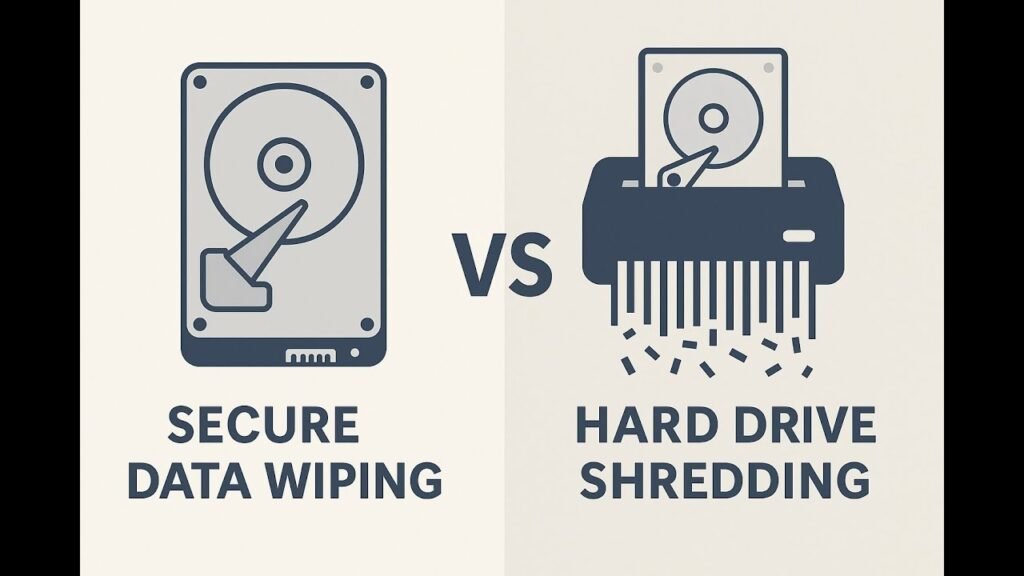
When retiring old IT equipment, organisations must choose between physically destroying the hard drive and securely wiping the data. The right option depends on your specific needs, security requirements, and business goals. Here’s a clear breakdown to help you decide. Understanding the Options Physical Destruction (Hard Drive Shredding) This process physically destroys the storage device using industrial shredders, crushers, or degaussers, making all data completely unreadable and unrecoverable by any means. It permanently renders the drive unusable. Compliance: Meets strict standards for HIPAA, GLBA, and government requirements Security Level: Highest. Eliminates any possibility of data recovery. Best For: Highly sensitive or regulated data where zero risk is acceptable. Certificate Issued: Yes, a Certificate of Destruction is provided. Secure Data Wiping (Data Erasure) This is a software-based process of securely overwriting all data on a storage device multiple times with random patterns, making the original information permanently unrecoverable while keeping the drive physically intact and functional for reuse. Which Method Does Your Situation Require? Consider Physical Destruction When: Consider Secure Wiping When: Critical Differences at a Glance Factor Physical Destruction Secure Data Wiping Security Level Highest High Drive Reusable? No Yes Data Recovery Risk Zero Negligible Best For Sensitive/regulated data Reuse or resale Compliance Standards HIPAA, DOD, NSA, GLBA DOD, NIST 800-88 The Hybrid Approach Many businesses combine both methods by physically destroying end-of-life drives that contain sensitive data while using certified wiping for devices they plan to remarket. This strategy balances security, regulatory compliance, and value recovery. Expert Recommendation Certified providers can execute both methods effectively. For highly confidential data, organisations should first perform secure data erasure and then physically destroy the device. This approach adds multiple layers of protection and safeguards data throughout the entire chain of custody. Secure your data with confidence. Contact Nalabix today to discuss your specific needs and schedule our certified data destruction services.