Every business eventually replaces its IT equipment. Whether you’re upgrading office computers, refreshing laptops, decommissioning a data centre, or replacing network infrastructure, proper IT Asset Disposal (ITAD) is essential.
With over six years of experience in IT asset disposition, I’ve seen the chaos that follows when businesses dispose of old equipment without a plan. Servers left in hallways. Hard drives forgotten in storage rooms. Data breaches waiting to happen.
An IT asset disposal checklist isn’t just good practice—it’s a compliance necessity. Here’s a comprehensive, step-by-step guide based on what I’ve seen work for organizations across Kenya.
What Is IT Asset Disposal (ITAD)?
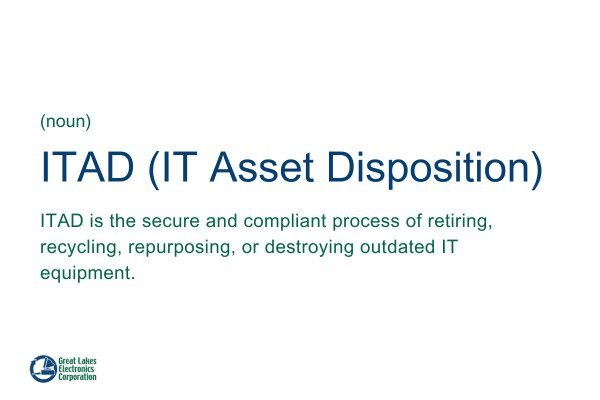
IT Asset Disposal (ITAD) is the structured process of securely retiring, sanitizing, refurbishing, recycling, or disposing of obsolete IT equipment.
An effective ITAD program covers the entire end-of-life lifecycle of IT assets, including:
- Desktop computers
- Laptops
- Servers
- Hard drives and SSDs
- Network switches
- Routers
- Printers
- Storage arrays
- Mobile devices
- Data centre equipment
The goal is to protect sensitive data while maximizing the value of retired assets and minimizing environmental impact.
Why Every Business Needs an IT Asset Disposal Checklist.
Without a clear disposal process, organizations risk:
- Data breaches
- Lost or misplaced equipment
- Regulatory compliance issues
- Environmental pollution
- Missed opportunities for asset recovery
- Incomplete disposal records
A checklist ensures every device is handled consistently and securely.
The Seven-Step Checklist
Step 1: Asset Identification and Inventory
You can’t dispose of what you don’t know exists.
What to do:
- Conduct a comprehensive inventory of all IT assets—servers, storage systems, network equipment, laptops, desktops, backup tapes, and mobile devices.
- Record serial numbers, model types, and current condition.
- Document performance history and criticality to your IT infrastructure.
- Update inventory records in real-time using tracking systems.
Why it matters: Without a baseline inventory, you cannot quantify your disposal program or demonstrate compliance on audits.
Step 2: Policy Definition and Stakeholder Coordination
Asset disposal requires coordination between IT departments, compliance teams, finance, and sustainability managers.
What to do:
Define what constitutes an IT asset in your organization.
Establish disposal timelines and methods (reuse, resale, or destruction).
Decide whether decommissioning will happen onsite or through a certified vendor.
Review Kenya’s tax implications under the Finance Act 2025—asset disposals are now “standalone” tax events where capital losses cannot offset gains.
Why it matters: Poor coordination leads to conflicting priorities—IT wants speed, compliance wants security, finance wants value recovery.
Step 3: Data Sanitization
This is non-negotiable. Simply deleting files or reformatting drives does not remove the data.
Under the NIST SP 800-88 standard, there are three levels of data sanitization.
| Method | Description | Best For |
|---|---|---|
| Clear | Logical overwrite of user-addressable storage locations | Internal reuse, low-risk data |
| Purge | Physical or logical techniques that render recovery infeasible using laboratory methods (e.g., degaussing, cryptographic erase) | Higher-sensitivity data |
| Destroy | Physical destruction (shredding, crushing, incineration) | Highly sensitive data; regulatory mandates |
What to do:
- Choose the appropriate sanitization method based on data sensitivity
- For sensitive data, perform data erasure using certified software before the device leaves your premises.
- Use cryptographic erase for self-encrypting drives if encryption was active.
- Verify sanitization effectiveness through confirmation protocols.
Why it matters: Data breaches from improper disposal lead to ODPC fines of up to KES 5 million or 1% of annual turnover, plus reputational damage.
Step 4: Physical Destruction (If Required)
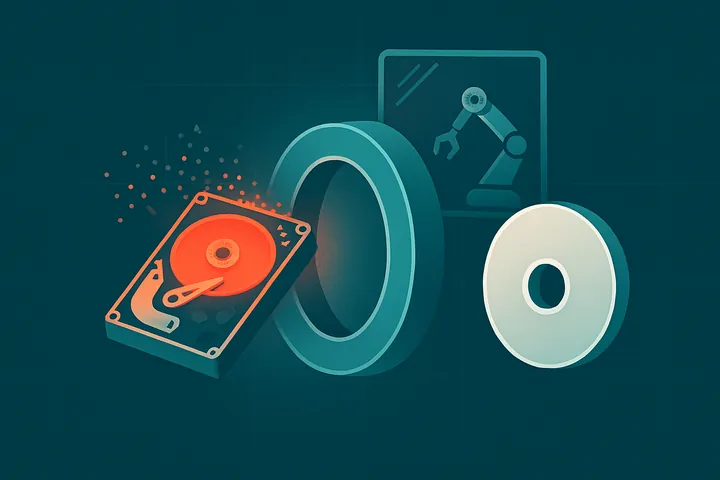
For devices containing highly sensitive data or physically damaged drives, physical destruction is the safest option.
What to do:
- Use professional shredding, crushing, or incineration.
- Conduct destruction onsite in a controlled, visible environment for compliance assurance.
- For drives that fail wiping verification, escalate to physical shredding
- Obtain a documented Certificate of Destruction with serial numbers
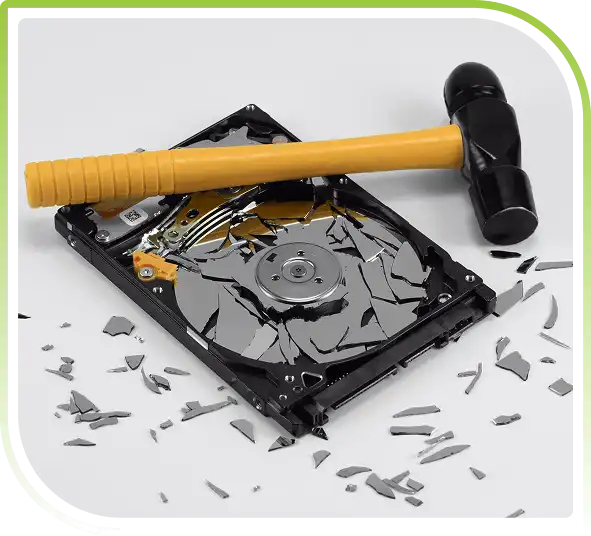
Why it matters: Techniques like bending or shooting a hole through a drive may only partly damage it—professional shredding is required for full destruction.
Step 5: Chain of Custody and Secure Transport
When assets leave your premises, you lose visibility. A rigorous chain of custody maintains accountability.
What to do:
- Use tamper-evident, serialized bins for data-bearing devices.
- Document every handoff between responsible parties.
- Use secure packaging and tracked transportation.
- For data center equipment, use protective packaging to prevent physical damage during transit.
Why it matters: The greatest risk to data security occurs when you cannot see the asset .

Step 6: Reuse, Resale, or Recycling
Not all assets need to be destroyed. Value recovery can offset disposal costs.
What to do:
- Reuse: Redeploy functional assets within your organization.
- Resale: Refurbish and sell eligible assets through a certified remarketing partner.
- Recycle: Dismantle for material recovery of metals, plastics, and components.
- Estimate value before disposal—resale proceeds can be significant
Why it matters: Extending device life reduces procurement costs, lowers carbon footprint, and keeps materials out of landfills.
Step 7: Documentation and Certification
“Without a paper trail, it didn’t happen”.
What to include in your evidence pack:
- Certificate of Data Destruction (method, date, time, location).
- Audit logs of data sanitization.
- Serial number logs linking each device to its destruction record.
- Signed chain-of-custody documentation.
- Compliance reports on environmental regulations (e-waste, NEMA).
- Photos or timestamps for additional verification.
Kenya-specific documentation:
- eTIMS records of original purchase to prove “Adjusted Cost” for tax purposes.
- If selling to a public entity, ensure compliance with 0.5% (Resident) or 5% (Non-Resident) withholding tax.
Why it matters: This documentation is your defense in an ODPC audit or KRA tax review.
Additional Requirements: Employee Return Programs
For organizations with distributed workforces, employee return programs present unique challenges. Devices that aren’t returned are at risk of data exposure.
Checklist items:
- Provide pre-labeled boxes and clear return instructions .
- Offer multiple drop-off options to reduce friction.
- Communicate the importance of device return to employees.
- Track returns and follow up on outstanding devices.
Frequently Asked Questions
What is an IT Asset Disposal Checklist?
An IT Asset Disposal Checklist is a structured list of tasks that helps organizations securely retire, sanitize, refurbish, recycle, or dispose of obsolete IT equipment while protecting sensitive data and maintaining compliance.
Why is secure data destruction included in ITAD?
Computers, servers, laptops, and storage devices often contain confidential business information. Secure data destruction prevents unauthorized access before equipment is reused or recycled.
What equipment should be included in IT asset disposal?
Organizations should include computers, laptops, servers, hard drives, SSDs, networking equipment, printers, mobile devices, storage systems, and backup media.
Why should businesses work with a licensed ITAD provider?
Licensed providers follow secure handling procedures, offer certified data destruction, support environmentally responsible recycling, and provide documentation to support audits and compliance.
Final Thoughts
An effective IT Asset Disposal process is more than simply removing old equipment—it is a critical part of information security, operational efficiency, and environmental responsibility.
By following a structured IT Asset Disposal Checklist, businesses can reduce the risk of data breaches, recover value from retired assets, maintain accurate records, and ensure obsolete electronics are managed responsibly.
At Nalabix, we help Kenyan businesses navigate every step of the ITAD process—from inventory to data destruction to value recovery. We provide audit-ready evidence packs that protect you in an audit.
Ready to dispose of your IT assets securely? Contact Nalabix today to schedule a pickup.