
Understanding the E-Waste Lifecycle: From Purchase to Responsible Recycling
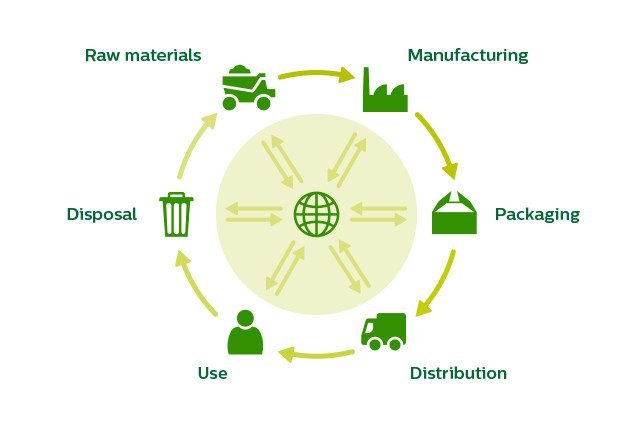
Every electronic device has a lifecycle. A smartphone is manufactured, purchased, used, repaired, upgraded, and eventually replaced. A computer may serve a business for several years before it becomes outdated. A printer, television, server, or household appliance follows a similar journey. But what happens when these devices are no longer needed? This is where the e-waste lifecycle begins to matter. Understanding the e-waste lifecycle helps individuals, businesses, institutions, and governments make better decisions about how electronic products are purchased, used, reused, collected, recycled, and disposed of. For Kenya, where the use of computers, smartphones, appliances, networking equipment, and other electronic devices continues to grow, responsible e-waste management is becoming increasingly important. What Is the E-Waste Lifecycle? The e-waste lifecycle describes the journey of an electronic product from its creation and purchase through its use, repair, reuse, collection, recycling, and final disposal. A simple e-waste lifecycle can be understood as: Manufacturing → Purchase → Use → Repair & Reuse → Collection → Sorting → Recycling → Recovery → Final Disposal The goal of responsible e-waste management is to keep products and valuable materials in use for as long as possible while minimizing environmental harm. 1. Manufacturing: Where the Lifecycle Begins The e-waste lifecycle begins long before a device reaches the consumer. Electronic products are manufactured using a combination of materials, including: Manufacturing also requires energy, water, raw materials, transportation, and other resources. This means the environmental impact of an electronic device does not begin when it becomes waste. It begins during the extraction and production of the materials used to make it. Why does this matter? The longer a device remains useful, the more value we get from the resources that went into producing it. This is one reason why repair, refurbishment, reuse, and responsible recycling are important parts of a circular economy. 2. Purchase and Distribution After manufacturing, electronic products are transported through supply chains before reaching consumers and organizations. This may include: Manufacturer → Distributor → Retailer → Consumer or Business At this stage, responsible purchasing can already influence the future of e-waste. Businesses and consumers can consider: Choosing durable products can reduce the frequency with which devices are replaced. 3. The Use Phase The longest part of an electronic product’s lifecycle is usually its use phase. A device may remain in service for months or several years depending on its type, condition, technology, and purpose. For businesses, this could include: During this stage, proper maintenance becomes important. Regular maintenance, software updates, repairs, component replacement, and responsible handling can help extend the useful life of equipment. Extending device life reduces waste Replacing a device simply because it is no longer considered the newest model can contribute to unnecessary e-waste. Where practical, organizations should consider whether equipment can be: Maintained → Upgraded → Repaired → Refurbished → Reused before deciding that it has reached the end of its useful life. 4. Repair, Refurbishment and Reuse Not every old electronic device is waste. This is an important distinction. A computer that is no longer required by one organization may still be perfectly useful to another user. Before recycling equipment, it is worth determining whether it can be: This stage helps maximize the useful life of electronic equipment. For example, an organization replacing hundreds of computers may be able to refurbish suitable machines and redirect them to another department, school, nonprofit organization, or secondary market. Reuse comes before recycling From a circular economy perspective, keeping a functional product in use is generally preferable to immediately dismantling it for materials. However, equipment containing sensitive information requires an additional consideration: data security. Before computers, servers, storage devices, or smartphones are reused, appropriate data sanitization should be carried out. 5. When Does Electronic Equipment Become E-Waste? Eventually, an electronic product may no longer be useful, economical to repair, safe to use, or suitable for reuse. At this point, it may become electrical and electronic waste, commonly known as e-waste or WEEE (Waste Electrical and Electronic Equipment). Examples include: However, simply throwing these items away is not responsible e-waste management. The next step should be proper collection and handling. 6. E-Waste Collection Once equipment reaches the end of its useful life, it needs to enter an appropriate collection system. E-waste may come from: For businesses, organized collection is particularly important because large quantities of equipment may need to be removed from offices, warehouses, branches, or data centers. Professional e-waste collection can help ensure that equipment is: Collected → Documented → Transported → Sorted → Processed rather than being mixed with ordinary waste. 7. Sorting and Assessment After collection, electronic equipment should be assessed and sorted. This is a critical stage because not every item should follow the same path. Equipment can generally be separated into categories such as: Reusable equipment Devices that remain functional or can be economically refurbished. Repairable equipment Devices that require repairs before they can be returned to service. Recoverable equipment Items that are no longer practical to reuse but contain valuable materials. Non-recoverable waste Materials that have reached the end of their practical recovery options and require appropriate final treatment or disposal. Sorting helps ensure that maximum value is recovered from the equipment. 8. Data Destruction: A Critical Step for IT Equipment For computers, servers, hard drives, SSDs, phones, and other devices containing data, the e-waste lifecycle has an additional requirement. Data must be securely destroyed before equipment is reused, recycled, or disposed of. Simply deleting files or formatting a drive may not always provide sufficient protection. Depending on the situation, organizations may use secure data sanitization or physical destruction. The process may include: For organizations handling confidential or sensitive information, maintaining records of data destruction can provide an important layer of accountability. 9. Recycling and Material Recovery When equipment can no longer be reused, recycling becomes an important part of the e-waste lifecycle. During responsible e-waste recycling, equipment can be dismantled and separated into different material streams. Potentially recoverable materials include: These materials can then enter appropriate recovery and recycling