
Electronic devices have become essential in our homes, businesses, schools, and industries. However, as technology advances, older devices are discarded more frequently, creating a rapidly growing electronic waste (e-waste) problem. Unfortunately, much of this waste is disposed of incorrectly, causing serious environmental damage.
Improper e-waste disposal contaminates soil, water, and air while exposing people and wildlife to hazardous substances. Understanding these impacts is the first step toward building a cleaner, healthier, and more sustainable future.
What Is Improper E-Waste Disposal?
Improper e-waste disposal refers to throwing away electronic devices without following environmentally safe recycling or disposal methods.
Examples include:
- Dumping electronics in landfills
- Burning electronic waste in open spaces
- Illegal dumping in forests, rivers, or vacant land
- Exporting electronic waste without proper treatment
- Informal dismantling without environmental controls
Why Improper E-Waste Disposal Is a Global Concern
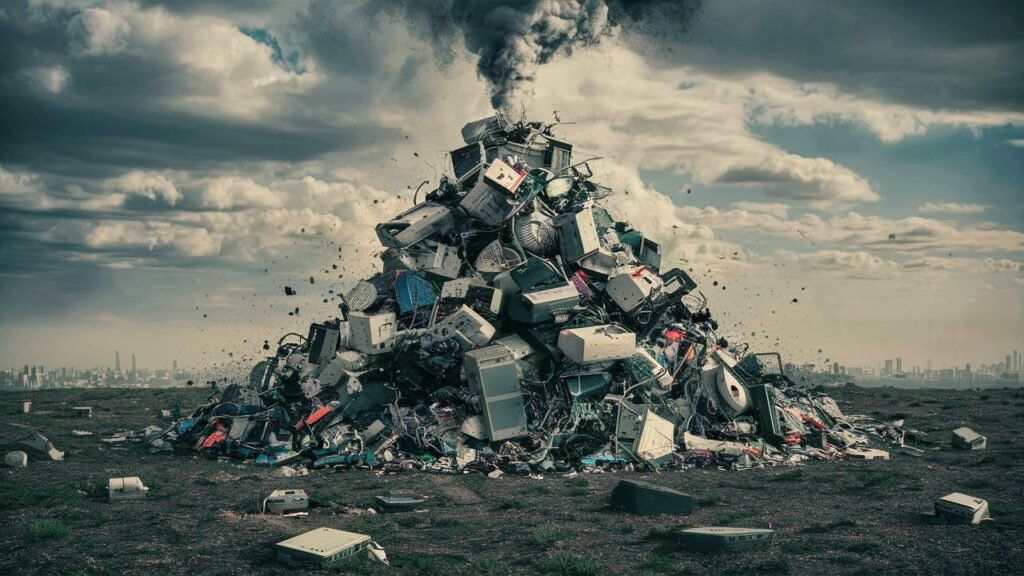
Electronic waste is now the world’s fastest-growing solid waste stream.
Millions of tonnes of discarded electronics are generated every year, but only a fraction is recycled properly. The remaining waste often ends up in landfills or informal recycling sites where hazardous materials leak into the environment.
Countries across Africa, including Kenya, continue to experience increasing volumes of obsolete electronics due to rapid digital transformation and shorter device lifespans.
The Toxic Cocktail Inside Your Electronics
The danger of e-waste begins with what’s inside it. Discarded electronics are not inert; they are complex assemblies containing a cocktail of hazardous substances.
When people improperly dispose of these devices in landfills, dumpsites, or informal recycling yards at the end of their life, they release these toxins into the environment.
- Lead and mercury, commonly found in monitors and circuit boards, can cause chronic damage to the brain and nervous system
- Cadmium, used in batteries and components, is linked to kidney damage
- Brominated flame retardants and other persistent organic pollutants are released when plastics are burned
These substances don’t just disappear. They migrate through the environment, contaminating soil, leaching into groundwater, and releasing toxic fumes into the air. Once they enter ecosystems, they persist, creating long-term pollution problems.
The Scale of the Problem: Kenya’s E-Waste Burden.
The numbers paint a stark picture of the challenge facing Kenya. Kenya generates an estimated 51,300 to 80,000 metric tonnes of e-waste annually, yet formal collection and recycling systems handle only a fraction of it—as little as 1 percent, according to some estimates. Instead, the vast majority flows into an informal network of collectors, traders, and waste pickers, who often dismantle electronic devices under unsafe conditions.
The problem is compounded by Kenya’s role as a regional hub for digital services and the booming second-hand electronics market. While imports of used electronics provide affordable access to technology for many, much of this equipment is near the end of its life and rapidly becomes waste.
Televisions, laptops, and tablets alone contributed more than 5,700 tonnes of e-waste in 2024, driven by rapid technological change and a growing culture of replacement over repair.
The Three Fronts of Environmental Damage
Improper e-waste disposal attacks the environment on three interconnected fronts: soil, water, and air.
Soil Contamination.
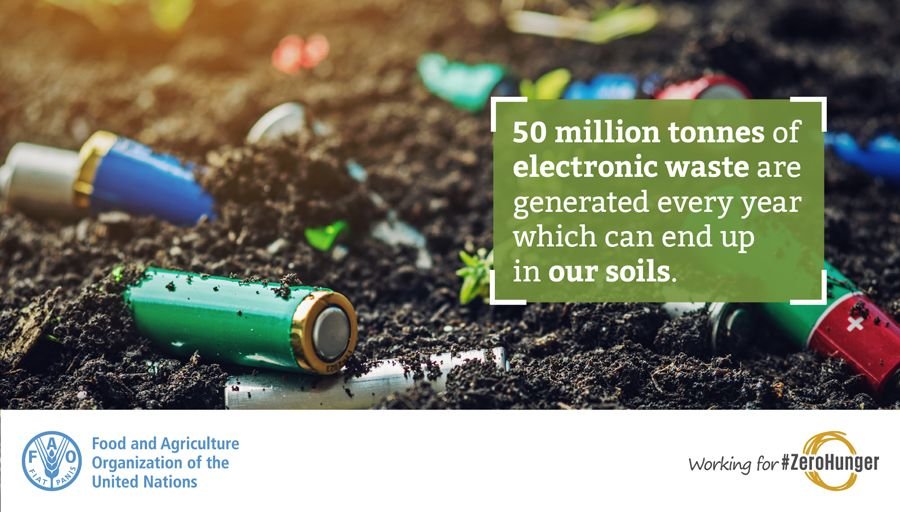
When people dump electronics in landfills or open dumpsites, heavy metals such as lead, mercury, and cadmium leach into the soil, contaminating natural resources and reducing agricultural productivity.
This contamination affects not only the immediate area but can render land unsuitable for farming, impacting food security and livelihoods
Water Pollution.
Rainwater seeps through e-waste dumpsites, carrying toxins into surface and underground water sources.This contaminated runoff can poison rivers and lakes, endangering aquatic life and threatening drinking water supplies for communities downstream.Once contamination occurs, cleanup is costly and long-term.
Air Pollution
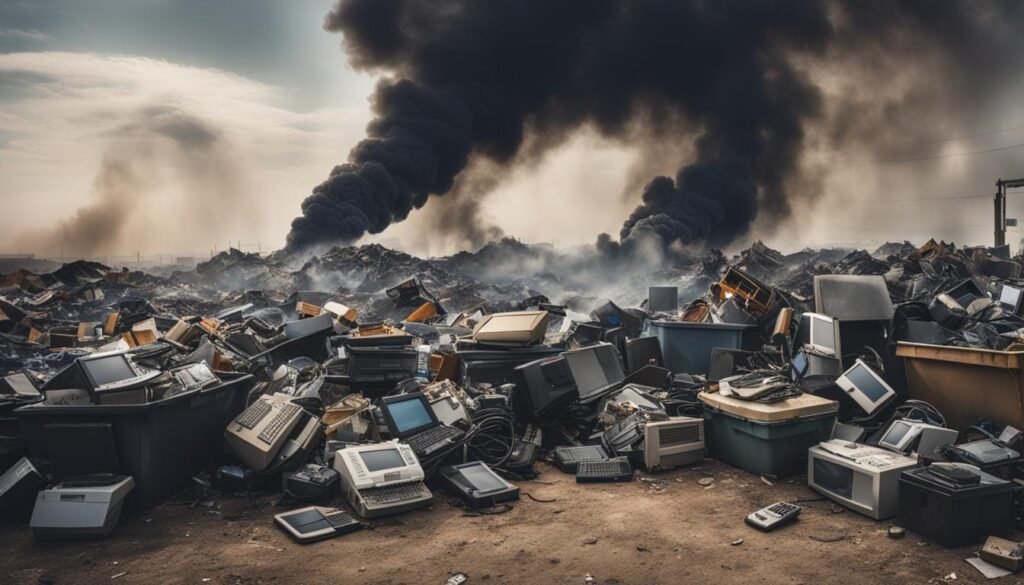
The informal recycling methods common in Kenya—such as burning cables to extract copper—release toxic fumes including dioxins, furans, and heavy metals into the atmosphere.
This contributes to air pollution, respiratory illness, and climate change by releasing greenhouse gases.
Research in Ghana, which shares a similar informal e-waste economy, has shown a positive relationship between urbanization near recycling sites and increased air pollution from open burning
The Human Cost: A Public Health Crisis
The environmental damage of improper e-waste disposal is inextricably linked to human health. Communities living near dumpsites and informal recycling hubs bear the brunt of this toxic burden.A study in Korogocho, Nairobi, found that 61 percent of respondents who handle e-waste reported health issues.
- 7.2 percent experienced respiratory issues such as breathing complications and chest pains
- 35.3 percent suffered from skin damage or infections
- Others reported physical harm like muscle sores, strains, and tetanus from metal cuts
Children are especially vulnerable to neurodevelopmental and behavioral effects from lead and mercury exposure.Informal workers like those in Kigali’s repair hubs work with bare hands, inhaling smoke from burning cables, suffering from dizziness and long-term health effects in exchange for a meager livelihood.
The Inequality of the E-Waste Crisis
E-waste pollution is not an equal opportunity crisis. It disproportionately affects low-income communities, creating a direct link between consumption in affluent areas and environmental degradation in poorer neighborhoods.

Electronics discarded in wealthy suburbs of Nairobi often end up in informal settlements like Korogocho, where they are stripped, resold, or burned to extract valuable materials.
This flow of waste mirrors a global pattern where unmanaged e-waste often migrates from the Global North to the Global South.
In Ghana, one of the world’s largest informal e-waste sites processes electronics sent from across the world, creating a “toxic circular economy” where workers survive at the cost of their long-term health
What This Means for Kenyan Businesses
For businesses, the environmental impact of improper e-waste disposal translates into real business risks.
Regulatory Risk: With the Data Protection Act already in force and emerging e-waste regulations like the EPR Regulations 2024, organizations face fines and reputational damage for non-compliance.
Reputational Risk: Customers, investors, and regulatory agencies increasingly expect sustainable practices. If a company’s retired electronics are later found in informal dumps, the reputational damage can be severe.
Liability Risk: Without documented downstream accountability, organizations can remain liable for improper handling of their e-waste.
What Businesses Can Do
Organizations generate large volumes of obsolete IT equipment.
Businesses should:
- Schedule regular e-waste collection
- Work with licensed e-waste recyclers
- Maintain disposal records
- Securely destroy sensitive data
- Train staff on proper disposal practices
- Develop sustainable IT asset disposal policies
Proper e-waste management also supports ESG initiatives and regulatory compliance.

Frequently Asked Questions
Can e-waste pollute water?
Yes. Heavy metals and hazardous chemicals can leach from improperly disposed electronics into groundwater, rivers, lakes, and other water sources.
Why is e-waste harmful to the environment?
E-waste contains toxic substances that can contaminate soil, water, and air if not managed properly. It also wastes valuable resources that could otherwise be recovered through recycling.
Does burning electronics cause pollution?
Yes. Open burning releases toxic gases, heavy metals, and fine particles that pollute the air and pose risks to both human health and the environment.
Why should electronics be recycled?
Recycling recovers valuable materials, reduces pollution, conserves natural resources, lowers greenhouse gas emissions, and supports a circular economy.
Why should electronics be recycled?
Recycling recovers valuable materials, reduces pollution, conserves natural resources, lowers greenhouse gas emissions, and supports a circular economy.
What should never be thrown in household trash?
Items such as computers, laptops, phones, batteries, televisions, printers, servers, networking equipment, and other electronic devices should be taken to an authorized e-waste recycler.
Final Thoughts.
The environmental impact of improper e-waste disposal is real, measurable, and entirely avoidable.
The toxic legacy of discarded electronics contaminates soil, water, and air, while exposing the most vulnerable among us to serious health risks. For businesses, responsible e-waste management is not just an ethical obligation—it is a regulatory, reputational, and operational necessity
At Nalabix, we provide certified IT Asset Disposition services that ensure your retired electronics are managed securely and sustainably. From NIST-compliant data destruction to responsible recycling, we help your business turn e-waste from a liability into an opportunity