
From smartphones and laptops to refrigerators and medical equipment, electronic devices have become indispensable in our daily lives. However, as technology advances and products reach the end of their useful life, they become electronic waste (e-waste).
Many people assume e-waste only includes computers and mobile phones. In reality, electronic waste covers a wide range of electrical and electronic equipment used in homes, offices, industries, healthcare facilities, and educational institutions.
Understanding the types of e-waste is essential for individuals, businesses, and organizations that want to dispose of obsolete electronics responsibly. Proper classification ensures devices are collected, recycled, refurbished, or disposed of safely, reducing environmental pollution while recovering valuable resources.
In this guide, we’ll explore the major categories of electronic waste, provide practical examples, and explain why proper classification matters for sustainable e-waste management.
What Is E-Waste and Why Classifying it Is Important.
Electronic waste (e-waste) refers to discarded electrical and electronic equipment that is no longer wanted, functional, repairable, or economically viable to use.
Not all electronic waste is handled the same way. Different devices contain different materials, components, and potential hazards.
Proper classification helps:
- Improve recycling efficiency.
- Ensure secure data destruction.
- Reduce environmental pollution.
- Support regulatory compliance.
- Recover valuable materials.
- Encourage refurbishment and reuse.
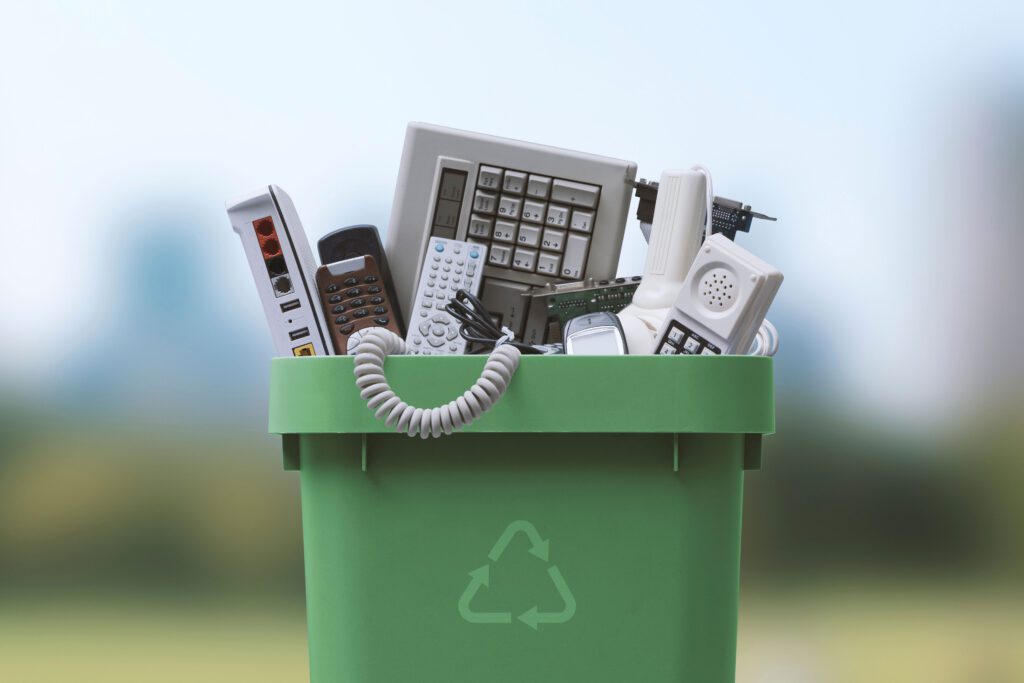
Understanding the category of each item also helps businesses and recycling companies determine the most appropriate treatment process.
The Main Types of E-Waste
Electronic waste is generally grouped into several broad categories based on the type of equipment and its intended use.
1. IT and Telecommunications Equipment
This is one of the fastest-growing categories of e-waste due to rapid technological advancements and frequent hardware upgrades.
Examples include:
- Desktop computers
- Laptops
- Computer monitors
- Printers
- Scanners
- Keyboards
Why It Matters
Many IT devices store sensitive business or personal data. Before recycling, storage devices should undergo certified data destruction to prevent unauthorized access.
2. Consumer Electronics
Consumer electronics are everyday devices used for entertainment, communication, and home convenience.
Examples include:
- Televisions
- Radios
- Stereo systems
- Gaming consoles
- Digital cameras
- Video cameras
- DVD and Blu-ray players
- Headphones
These products often contain recyclable metals, plastics, and glass that can be recovered through responsible recycling.
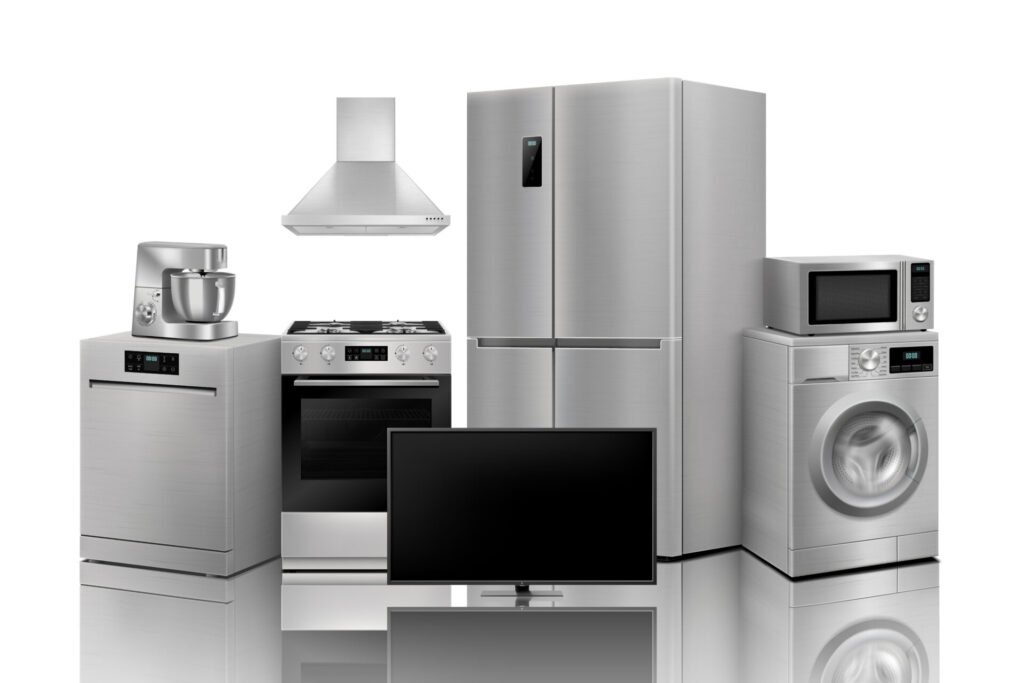
3. Large Household Appliances
Large household appliances contain significant amounts of metal and other recyclable materials.
Examples include:
- Refrigerators
- Freezers
- Washing machines
- Dryers
- Dishwashers
- Electric cookers
- Ovens
- Air conditioners
Many also contain refrigerants and other substances that require specialized handling during recycling.
4. Small Household Appliances
These everyday electrical devices often end up in household waste despite being recyclable.
Examples include:
- Electric kettles
- Toasters
- Fans
- Vacuum cleaners
- Irons
- Rice cookers
- Blenders
- Coffee machines
- Hair dryers
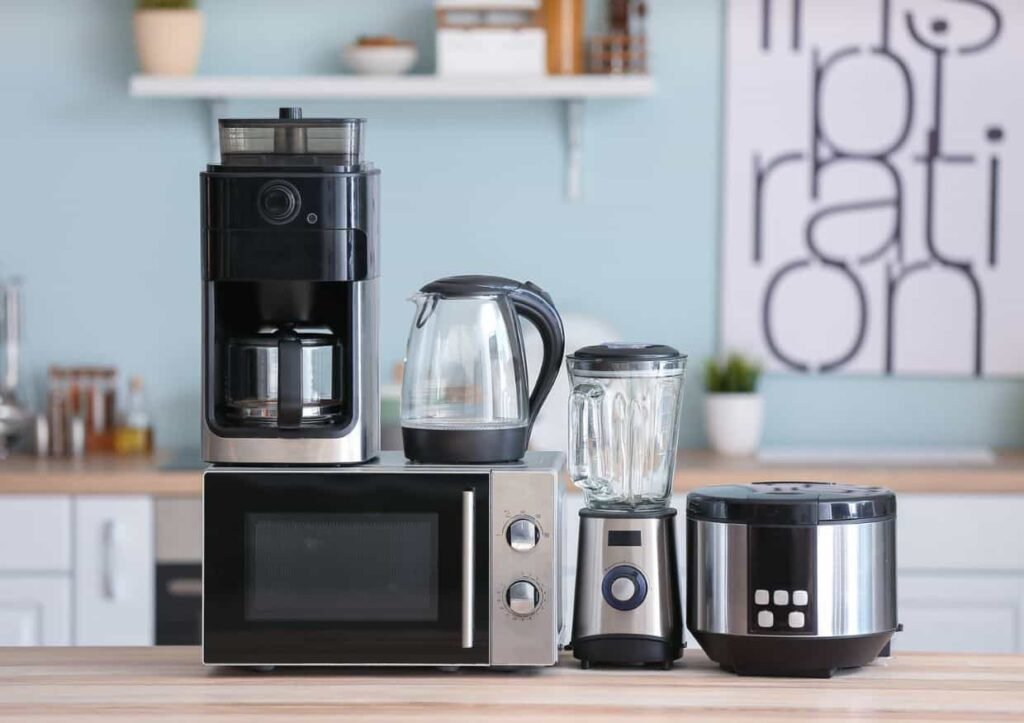
Separating these items from general waste helps recover valuable materials and reduces landfill pollution.
5. Lighting Equipment
Lighting products require careful recycling because some contain hazardous substances.
Examples include:
- Fluorescent tubes
- Compact fluorescent lamps (CFLs)
- LED lamps
- Smart lighting systems
- Emergency lighting
Certain lighting products contain mercury and should never be disposed of with regular household waste.
6. Electrical and Electronic Tools
These tools are commonly used in homes, workshops, and construction sites.
Examples include:
- Electric drills
- Power saws
- Angle grinders
- Electric screwdrivers
- Heat guns
These devices often contain recyclable metals, motors, wiring, and electronic control boards.
7. Medical Equipment
Healthcare facilities generate specialized electronic waste that requires secure handling.
Examples include:
- Patient monitors
- Diagnostic imaging equipment
- Infusion pumps
- Laboratory equipment
- ECG machines
- Medical analyzers
Some devices may contain confidential patient information and require certified data destruction before recycling.
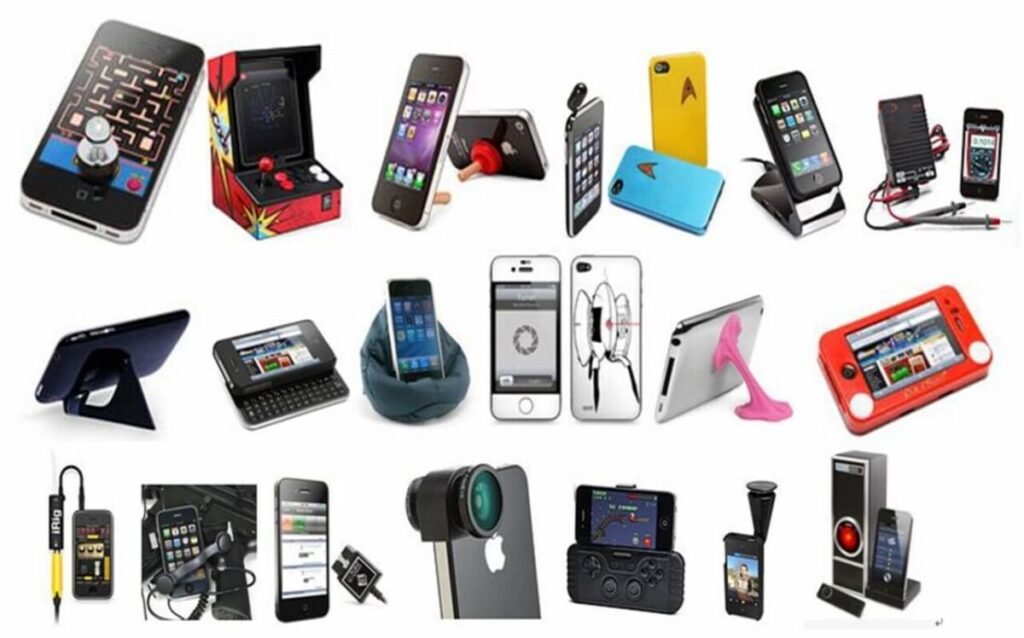
8. Mobile Devices and Accessories
With billions of mobile devices in use worldwide, this category continues to grow rapidly.
Examples include:
- Smartphones
- Tablets
- Smartwatches
- Wireless earbuds
- Power banks
- Chargers
Frequent upgrades make mobile devices one of the largest contributors to global e-waste.
8. Monitoring and Control Equipment
Used across industrial, commercial, and residential environments, these devices help monitor systems and automate operations.
Examples include:
- Thermostats
- Alarm systems
- CCTV cameras
- Smoke detectors
- Sensors
- Industrial controllers
- Building automation systems
10. Batteries and Power Systems
Although often overlooked, batteries require specialized recycling because they contain chemicals and valuable metals.
Examples include:
- Lithium-ion batteries
- Lead-acid batteries
- UPS batteries
- Rechargeable batteries
- Battery backup systems
Improper disposal can lead to environmental contamination and fire hazards.
Which Type of E-Waste Is Generated the Most?
Globally, the largest contributors to electronic waste include:
- Smartphones
- Computers and laptops
- Household appliances
- Televisions
- Networking equipment
- Batteries
As technology evolves and product replacement cycles become shorter, these categories continue to grow.
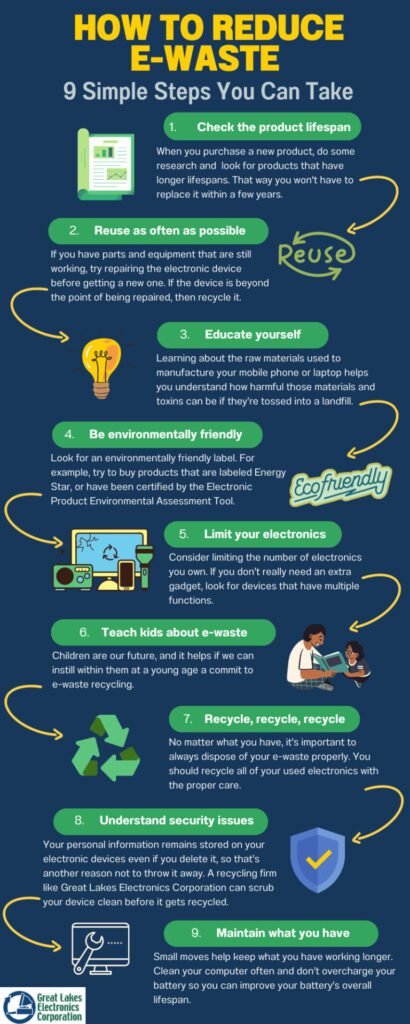
How Should Different Types of E-Waste Be Managed?
Every category of e-waste should follow a structured management process.
Step 1: Collection
Separate electronic waste from general household or office waste.
Step 2: Assessment
Determine whether equipment can be repaired, refurbished, or recycled.
Step 3: Data Destruction
Securely erase or physically destroy storage devices before recycling.
Step 4: Material Recovery
Recover valuable metals, plastics, and glass for reuse.
Step 5: Safe Disposal
Handle hazardous materials according to environmental regulations.
Frequently Asked Questions
What are the main types of e-waste?
The main categories include IT equipment, consumer electronics, household appliances, lighting equipment, electrical tools, medical devices, monitoring equipment, mobile devices, and batteries.
Are batteries considered e-waste?
Yes. Rechargeable and industrial batteries are considered electronic waste and should be recycled through approved collection programmes.
Can all types of e-waste be recycled?
Most electronic devices can be refurbished, dismantled, or recycled. However, the recycling process depends on the type of equipment and its condition.
Why is data destruction important for IT equipment?
Computers, laptops, servers, and storage devices often contain sensitive information. Certified data destruction protects organizations and individuals from data breaches before recycling.
Final Thoughts
Electronic waste is far more diverse than many people realize. From the smartphone in your pocket to the server powering your business and the refrigerator in your kitchen, nearly every electronic device will eventually reach the end of its lifecycle.
Proper classification allows valuable materials to be recovered, hazardous substances to be handled safely, and reusable equipment to be refurbished rather than discarded. This not only protects the environment but also supports a more sustainable, circular economy.
At Nalabix, we’re committed to helping businesses, institutions, and households across Kenya recycle every category of electronic waste securely and responsibly. Whether you’re disposing of obsolete IT equipment, household appliances, or industrial electronics, our expert team provides reliable solutions that protect your data, your business, and the environment.