
How Businesses Can Reduce Electronic Waste: A Practical Guide for Kenyan Companies.
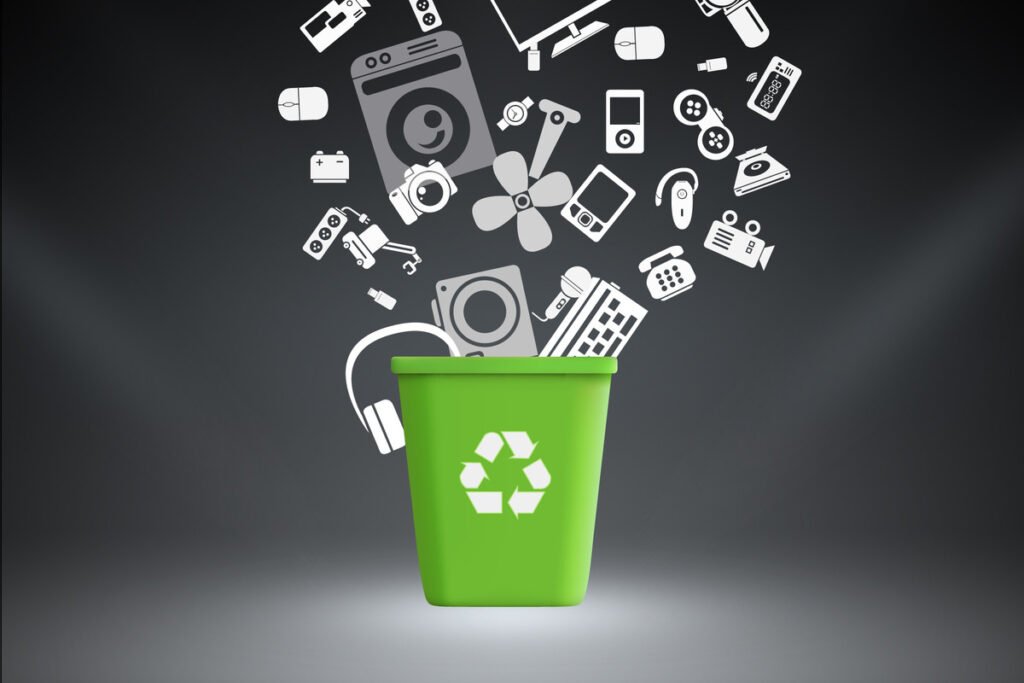
Technology drives modern business. Computers, laptops, servers, printers, networking equipment, smartphones, and other digital devices help organizations operate efficiently and stay competitive. However, as technology evolves, businesses frequently replace older equipment with newer models, creating a growing stream of electronic waste (e-waste). The good news is that reducing electronic waste doesn’t require sacrificing productivity. With the right policies and responsible IT asset management, businesses can extend the life of their technology, recover asset value, protect sensitive data, and support environmental sustainability.Here’s a comprehensive guide based on what I’ve seen work for organizations across Kenya. Organizations that treat e-waste as a management problem rather than a disposal problem discover significant opportunities. Many devices go straight from a user’s desk to a recycling bin—or worse, a landfill—even though they still have useful life left. Action Step: Create a comprehensive inventory of all IT assets. Without this baseline, you cannot quantify a waste reduction program or demonstrate compliance on ESG questionnaires Extend Device Lifecycles. One of the most impactful ways to reduce e-waste is simply to keep devices in service longer. By 2028, 75% of enterprises will set IT asset circularity goals, with 90% of assets returned to the circular economy. What this looks like in practice: Embrace Refurbishment and Repurposing The circular economy mindset means seeing e-waste not as waste, but as a resource. Kenyan companies are already leading the way in this space. Qtron Industries, a Nairobi-based recycling firm, specializes in repairing and repurposing electric vehicle batteries—an innovative solution to a growing e-waste problem. They’ve refurbished more than 100 EV batteries to date, preventing them from ending up in landfills.Used EV batteries retain part of their original capacity after their automotive lifecycle and can be repurposed for solar and wind energy storage. What this means for your business: Choose Certified Disposal Partners Not all recyclers are equal. In Kenya, as in other African countries, counterfeits and poorly made electronics complicate recycling efforts—they have shorter lifecycles, lower value components, and potentially hazardous materials.Choosing the wrong partner can put your reputation and compliance at risk. At Nalabix, we provide all of the above—helping businesses across Kenya retire IT assets securely and responsibly. Implement Sustainable Procurement Practices Reducing e-waste starts before a device enters your organization. Sustainable procurement practices can significantly reduce the volume of waste generated downstream.Research on state corporations in Kisii County found that sustainable sourcing practices—including supplier environmental assessment and sustainability evaluation—positively influence organizational performance. Practical steps: Embrace E-Waste Regulations and Extended Producer Responsibility Kenya’s regulatory framework is evolving, and businesses need to stay ahead. The Data Protection Act (2019) already requires secure data erasure before device disposal. Proposed legislation, like the Electronic Equipment Disposal, Recycling and Reuse Bill (2025) and NEMA E-Waste Regulations, will establish additional requirements. Other East African nations are moving in the same direction. Rwanda is actively establishing a Producer Responsibility Organization (PRO) to ensure electronics producers fulfill their EPR obligations for collection, recycling, and disposal. Engage Your Employees Even the best-designed recycling plan will stall without active employee participation. How to build engagement: Common Mistakes Businesses Should Avoid Avoid these common pitfalls: Replacing equipment too early Throwing electronics into general waste Forgetting to destroy sensitive data Storing obsolete equipment indefinitely Using unlicensed recyclers Failing to document asset disposal A proactive strategy helps prevent these costly mistakes. Frequently Asked Questions What is the best way for businesses to reduce electronic waste? The most effective approach combines equipment maintenance, refurbishment, secure IT Asset Disposal (ITAD), and responsible recycling through a licensed e-waste recycler. Why should businesses avoid storing obsolete electronics? Old equipment can occupy valuable office space, lose resale value, and increase the risk of data breaches if storage devices still contain sensitive information. How does IT Asset Disposal (ITAD) reduce electronic waste? ITAD extends the lifecycle of technology through refurbishment, resale, redeployment, and responsible recycling, ensuring valuable materials are recovered instead of sent to landfill. Why is data destruction important before recycling? Computers and storage devices often contain confidential business information. Secure data destruction prevents unauthorized access before equipment is reused or recycled. Final Thoughts Reducing electronic waste is good for the environment, good for compliance, and good for business. Kenyan organizations that act now to implement these practices will be better positioned as regulations tighten and sustainability becomes a competitive advantage. At Nalabix, we partner with businesses across Kenya to manage IT assets securely, responsibly, and in compliance with Kenyan law. From secure data destruction to value recovery through refurbishment, we help you turn e-waste from a problem into an opportunity. Ready to reduce your e-waste footprint? Contact Nalabix today for a consultation or to schedule a pickup.