
When did e-waste start?
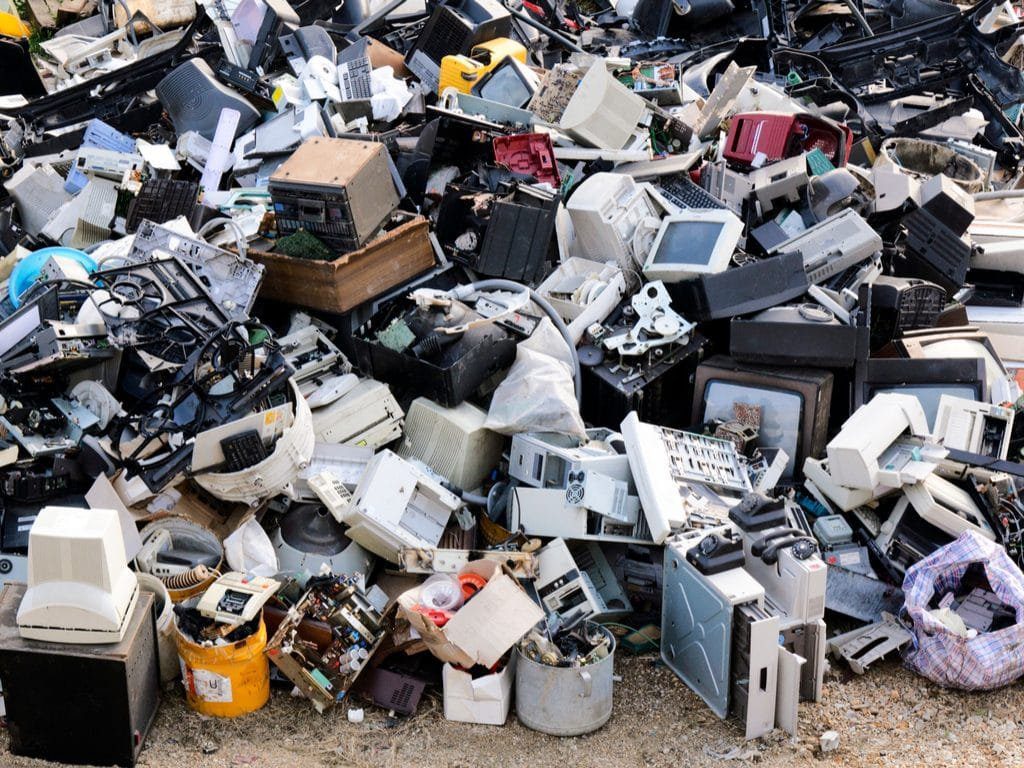
Understanding the Origins of a Growing Problem Introduction In today’s world, electronic devices are ubiquitous. When did e-waste start? They’re in our homes, our offices, our pockets, and even our cars. But as technology advances and new devices are released, older ones become obsolete, leading to a growing problem: electronic waste, or e-waste. When did e-waste start? This question is crucial to understanding the scope of the issue and finding effective solutions. Tracing the Roots of E-Waste While the concept of e-waste may seem relatively new, its origins can be traced back further than you might think. Here’s a brief timeline of key events that shaped the evolution of e-waste: Mid-1970s: The need for proper e-waste disposal began to emerge, driven by the increasing popularity of electronic devices. 1976: The Resource Conservation and Recovery Act (RCRA) was passed in the United States, making it illegal to dump e-waste in landfills. 1980s: Several international incidents involving e-waste dumping highlighted the need for global regulations. 1989: The Basel Convention was adopted, restricting the international trade of hazardous waste, including e-waste. 1991: Switzerland implemented one of the first formal e-waste recycling systems. Early 2000s: The European Union introduced the Waste Electrical and Electronic Equipment (WEEE) Directive, promoting e-waste recycling and reuse. Conclusion Understanding the history of e-waste is essential for addressing the challenges it poses today. By recognizing its early origins and the factors that have contributed to its growth, we can develop more effective strategies for responsible e-waste management and minimize its impact on the environment and human health. References: A Brief History on the Electronic Waste Disposal Industry: https://ecloudrecycle.com/about/ Electronic waste recycling – Wikipedia: https://en.wikipedia.org/wiki/Electronic_waste_recycling
How Can E-Waste Be Disposed?
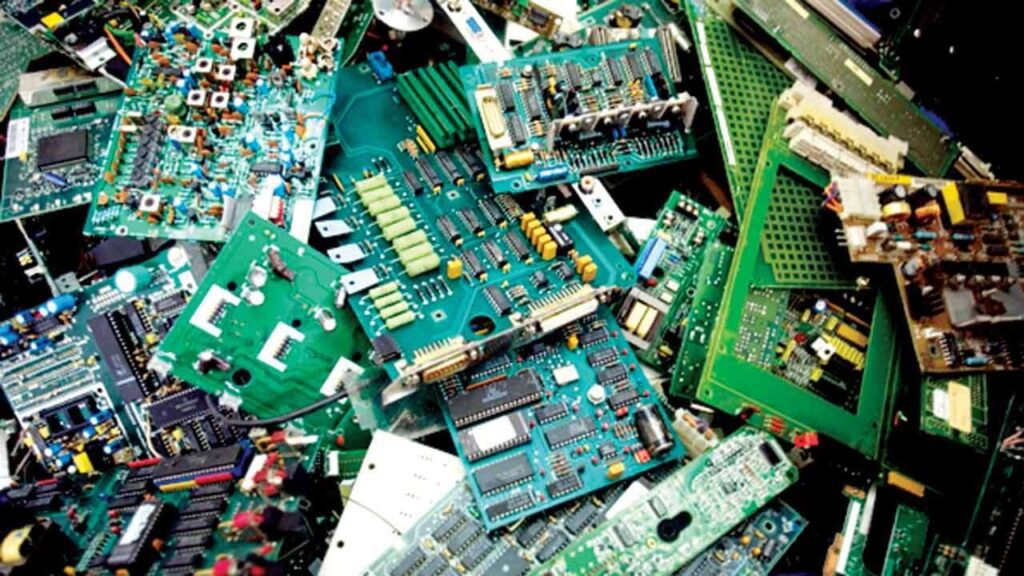
Our tech-driven lives generate a mountain of electronic waste – phones, laptops, tablets, the list goes on. But when these gadgets reach their retirement age, tossing them in the trash is a recipe for environmental and health disaster. So, how can e-waste be disposed of responsibly and sustainably? Let’s explore the options: 1. Recycle, Recycle, Recycle! This is the golden rule for e-waste disposal. Find certified e-waste recycling facilities near you. They’re equipped to safely dismantle and process electronics, recovering valuable materials like metals and plastics for reuse. This not only saves resources but also prevents harmful toxins from leaching into the environment. Check out: Earth911: https://earth911.com/recycling-center-search-guides/ Recycle Nation: https://recyclenation.com/ e-Stewards: https://e-stewards.org/ 2. Give Your Tech a Second Life: Before sending your electronics to the afterlife, consider giving them a second chance! Donate them to charities or schools that can refurbish and distribute them to those in need. This extends the lifespan of your devices while bridging the digital divide. Organizations like: TechSoup: https://www.techsoup.global/ World Computer Exchange: https://worldcomputerexchange.org/ Freecycle: https://www.freecycle.org/ 3. Sell, Swap, and Barter: If your old tech still has some life left in it, consider selling it online or at local tech exchange events. You can earn some extra cash while giving someone else a good deal. Or, swap your gadgets with friends or family members for something you need. Platforms like: eBay: https://www.ebay.com/ Craigslist: https://www.craigslist.org/ Swappa: https://swappa.com/ 4. Manufacturer Take-Back Programs: Many manufacturers have take-back programs for their own products. They’ll collect and recycle your old devices, often for free. Check your device manufacturer’s website for details. Brands like: Apple: https://www.apple.com/shop/trade-in Samsung: https://www.samsung.com/us/aboutsamsung/sustainability/environment/responsible-recycling/programs/ Microsoft: https://www.youtube.com/watch?v=Ot2R1a9Yxpw Remember: Always erase personal data from your devices before recycling or donating them. Check your local regulations for specific disposal guidelines for certain e-waste items. Educate others about the importance of responsible e-waste disposal. By choosing these sustainable options, you’re not just decluttering your home – you’re making a positive impact on our planet and the health of future generations. Let’s ditch the dump and embrace responsible e-waste disposal, one gadget at a time! Further Reading: Environmental Protection Agency (EPA): https://www.epa.gov/smm-electronics International Labour Organization (ILO): https://www.ilo.org/wcmsp5/groups/public/—ed_dialogue/—sector/documents/publication/wcms_673662.pdf The Basel Convention: https://www.basel.int/TheConvention/Overview/tabid/1271/Default.aspx