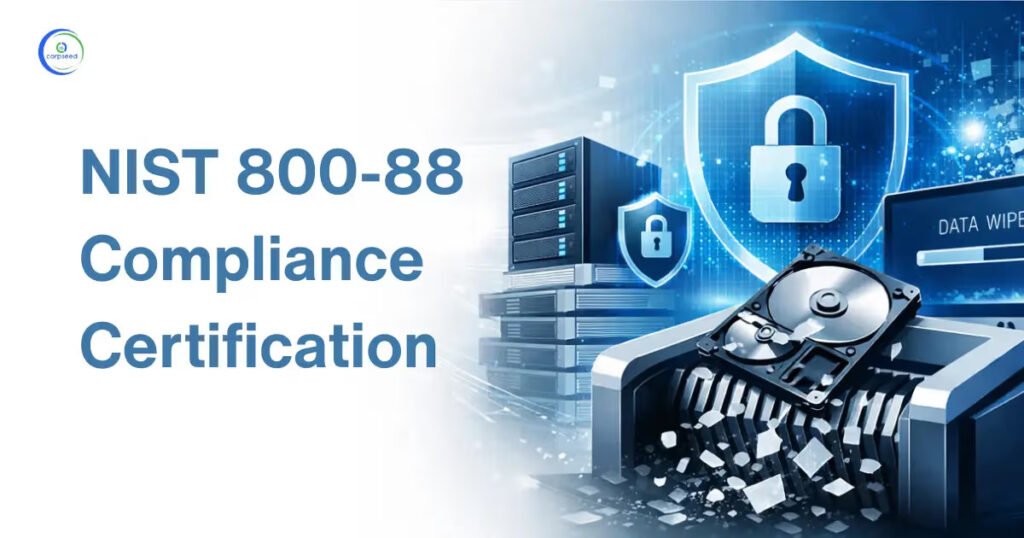
When a computer, hard drive, SSD, or other data-bearing device reaches the end of its useful life, deleting files is not enough. Data can remain accessible even after files are removed or a device is reset.
This is where NIST data sanitization standards come in. They provide organizations with a structured approach to making sensitive information inaccessible before devices are reused, recycled, or destroyed.
What Is NIST Data Sanitization?
NIST data sanitization refers to processes recommended by the National Institute of Standards and Technology (NIST) for removing data from storage devices so that it cannot be reasonably accessed or recovered.
The widely referenced standard is NIST SP 800-88, Guidelines for Media Sanitization. It helps organizations choose an appropriate method based on the type of storage media, sensitivity of the information, and intended disposition of the device.
The Three NIST Sanitization Methods
NIST SP 800-88 identifies three main sanitization methods:
1. Clear
Clear uses logical techniques to remove data while generally allowing the storage device to continue being used.
For example, appropriate overwriting or device-specific commands may be used depending on the technology.
This method can be suitable when the device will remain within a controlled environment and the data does not require a higher level of protection.
2. Purge
Purge uses more advanced techniques to make data recovery significantly more difficult, while potentially allowing the device to remain reusable.
Examples may include approved cryptographic techniques or device-specific sanitization commands.
Purge can be useful when sensitive information needs stronger protection before equipment is reused or transferred.
3. Destroy
Destroy physically destroys the storage media so that data recovery is no longer feasible.
Depending on the device, this may involve shredding, crushing, disintegration, or other appropriate physical destruction methods.
For end-of-life drives that cannot be reliably sanitized through logical methods, physical destruction may be the most appropriate option.
Why NIST Data Sanitization Matters
Improper disposal of data-bearing devices can expose organizations to serious risks, including:
- Data breaches and unauthorized access
- Exposure of customer or employee information
- Loss of confidential business information
- Regulatory and compliance problems
- Reputational damage
Simply deleting files, formatting a drive, or performing a factory reset should not automatically be treated as secure data sanitization.
NIST Sanitization and SSDs
Modern storage technologies require careful consideration. SSDs and flash-based devices operate differently from traditional hard disk drives because of features such as wear leveling and over-provisioning.
As a result, traditional overwriting methods may not always provide the same assurance as they do with conventional magnetic hard drives.
Organizations should therefore select a sanitization method appropriate to the specific media and follow recognized guidance.
Why Documentation Matters
Secure data sanitization should not only focus on the technical process. Documentation and verification are equally important.
A proper process should maintain records such as:
- Device type and serial number
- Sanitization method used
- Date of sanitization
- Person or organization performing the process
- Verification or validation details
- Final disposition of the device
A Certificate of Data Destruction or Sanitization can provide useful evidence that the required process was completed.
How Nalabix Eco Helps
At Nalabix Eco, we help organizations in Kenya manage end-of-life IT equipment responsibly while protecting information stored on data-bearing devices.
Our secure data destruction services can include NIST-aligned data sanitization and physical destruction, depending on the device, data sensitivity, and client requirements. We also support proper documentation and certification to help organizations maintain an accountable disposal process.
Final Thoughts
NIST data sanitization provides organizations with a practical framework for protecting information when storage devices are reused, transferred, recycled, or retired.
The key lesson is simple: deleting data is not the same as securely sanitizing it.
By choosing the right sanitization method, documenting the process, and working with a qualified service provider, organizations can reduce data security risks while ensuring responsible IT asset disposal.
Nalabix Eco — Secure Data Destruction. Responsible E-Waste Recycling.