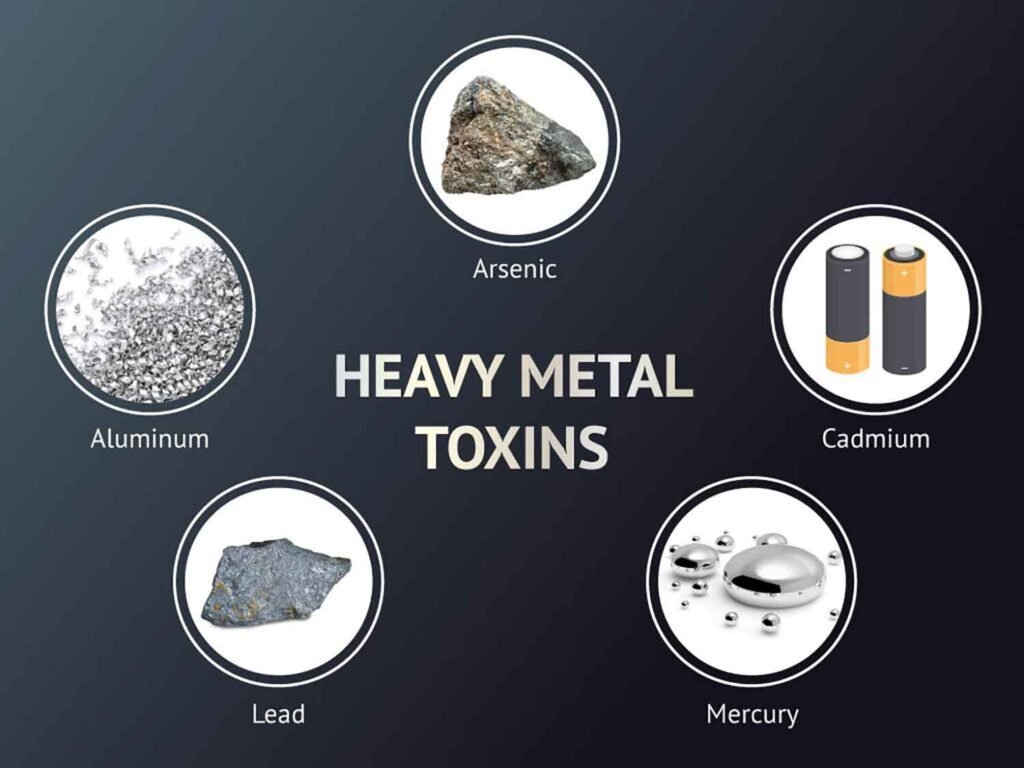
Electronic waste (e-waste) includes discarded computers, phones, televisions, printers, batteries, appliances, and other electronic devices. While many of these products contain valuable materials that can be recovered and recycled, they may also contain toxic substances that can harm people and the environment when e-waste is poorly handled.
Understanding these hazardous materials is important for households, businesses, and organizations looking for safe and responsible e-waste disposal in Kenya.
What Makes E-Waste Toxic?
Electronic devices contain a combination of metals, plastics, chemicals, and other components. When equipment is dismantled, burned, crushed, or dumped improperly, some hazardous substances can be released into the environment.
The main toxic materials commonly associated with e-waste include:
1. Lead
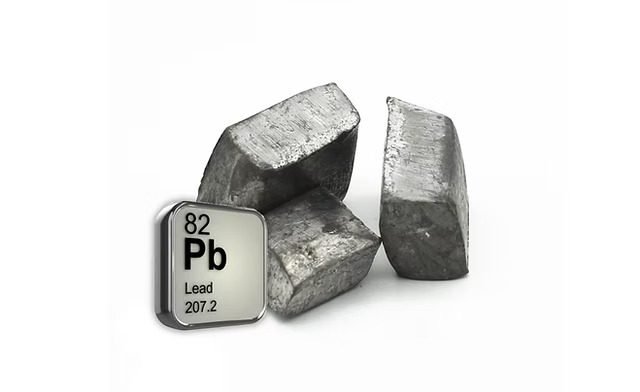
Lead can be found in older electronic equipment, including certain circuit boards, solder, batteries, and displays.
Improper disposal can allow lead to enter soil, water, and dust. Long-term exposure can be particularly harmful to the nervous system and can pose serious risks to children.
2. Mercury
Mercury has historically been used in some switches, lamps, displays, and other electronic components.
When mercury-containing equipment is broken or improperly disposed of, mercury can contaminate the environment. It can also accumulate in living organisms and affect the nervous system.

3. Cadmium
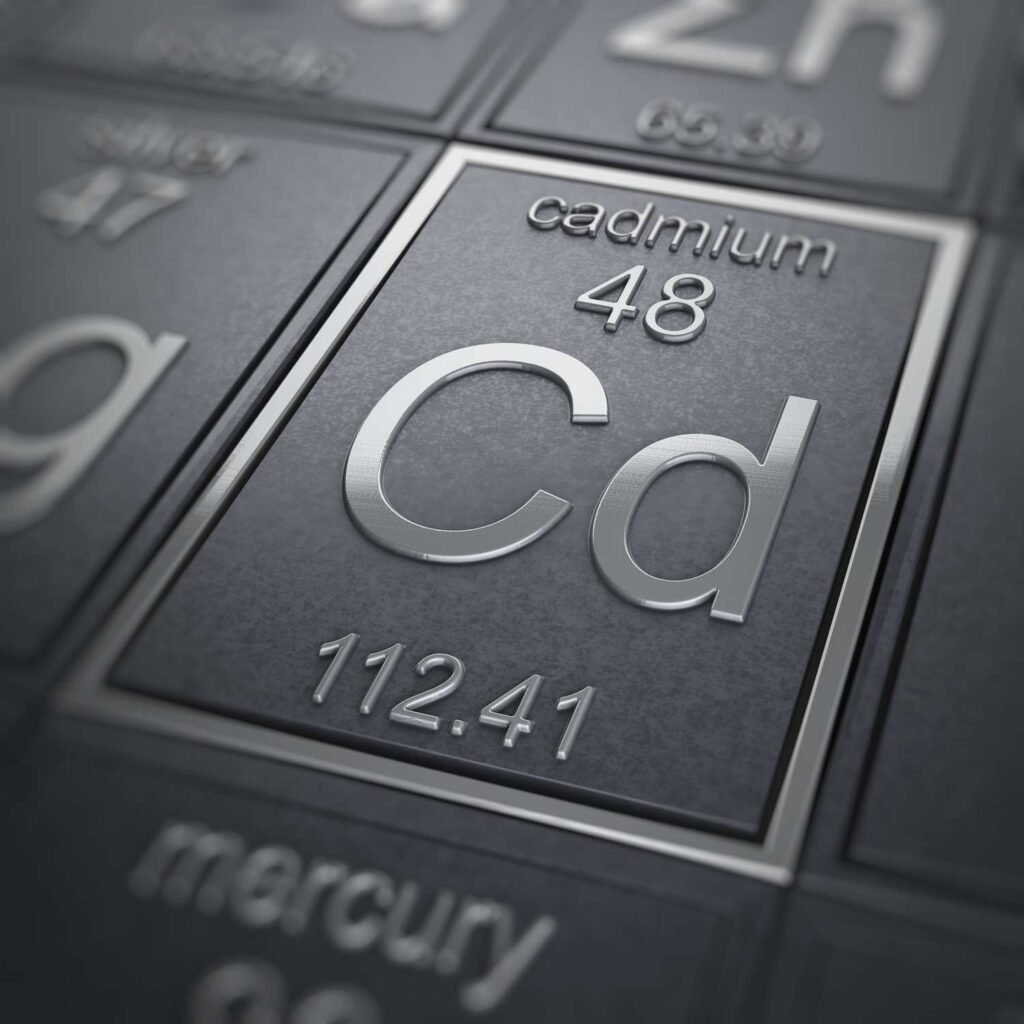
Cadmium may be present in rechargeable batteries, circuit boards, and certain electronic components.
It is considered a hazardous substance because prolonged exposure can affect the kidneys, bones, and respiratory system.
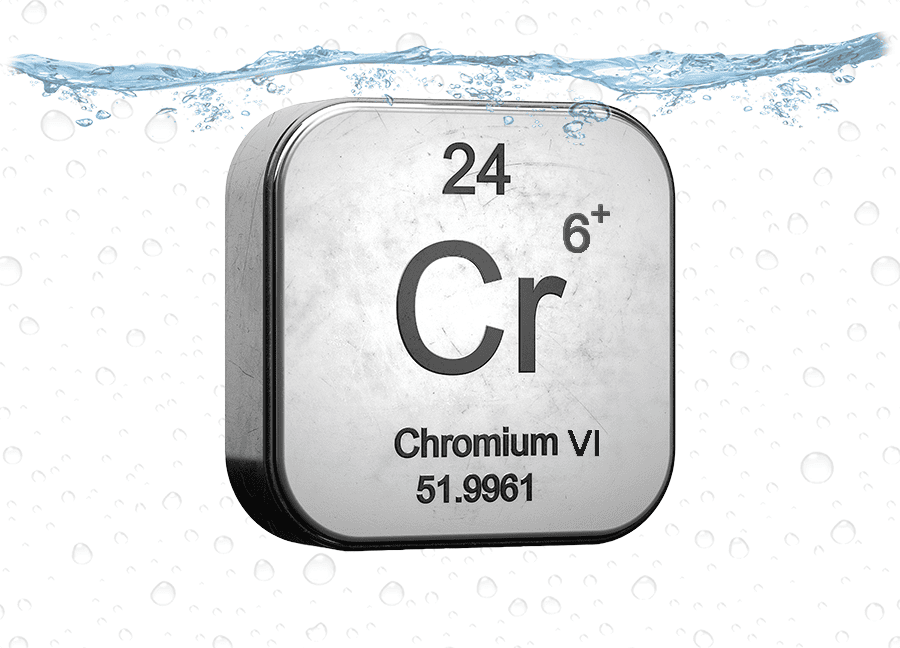
4. Hexavalent Chromium
Some older electronic equipment contains chromium compounds used for corrosion protection and other applications.
Certain forms, particularly hexavalent chromium, can be hazardous to human health and the environment if released through improper handling.
5. Brominated Flame Retardants
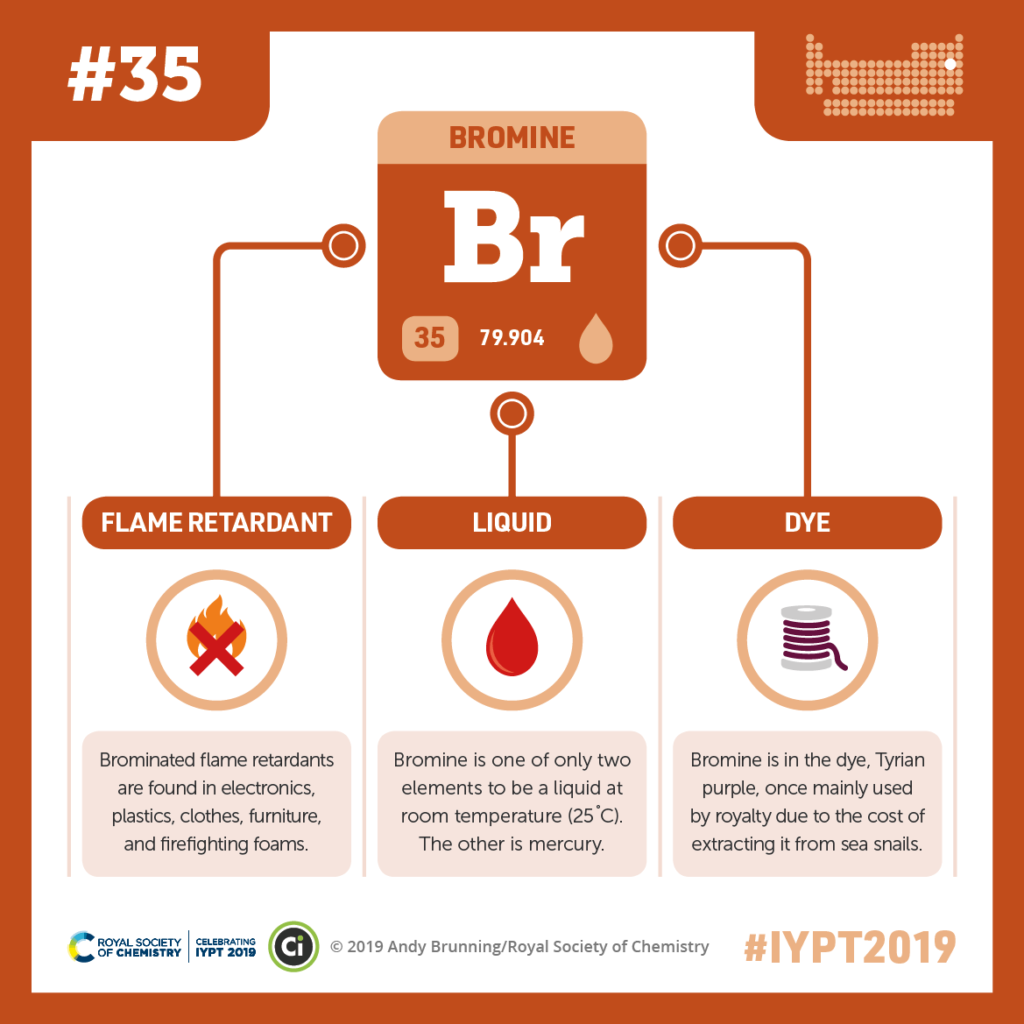
Brominated flame retardants have been used in plastics, circuit boards, cables, and electronic housings to reduce fire risks.
Some types can persist in the environment and may create harmful emissions when electronic plastics are burned in uncontrolled conditions.
6. Beryllium
Beryllium can be found in certain electronic connectors, switches, and other specialized components.
Dust generated during unsafe dismantling or processing can create health risks, particularly for workers who are repeatedly exposed without appropriate protection.
7. Arsenic
Arsenic compounds have been used in certain semiconductor and electronic applications.
Improper handling of electronic components containing arsenic can result in environmental contamination and potential health risks.
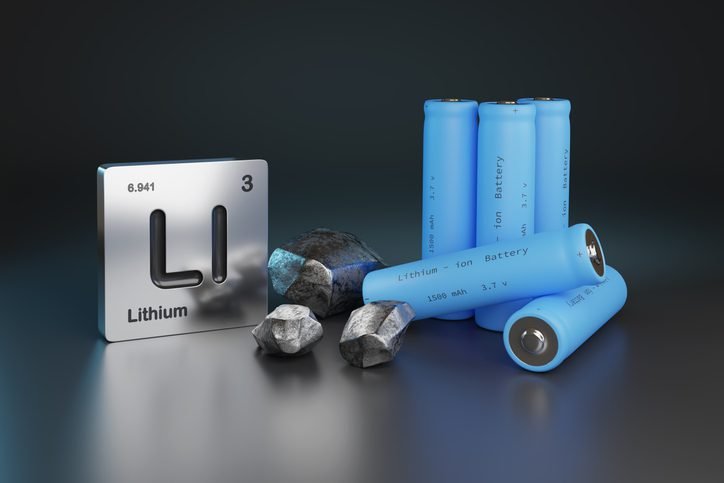
8. Lithium and Other Battery Materials
Modern electronics contain batteries that may include lithium and other chemical materials.
Damaged or improperly handled batteries can leak, overheat, ignite, or cause fires. Batteries should therefore be separated from general waste and handled through appropriate recycling channels.
How Toxic Materials Enter the Environment
The biggest problem is not simply that these substances exist inside electronics. The risk increases when devices are handled incorrectly.
Common examples include:
- 🔥 Burning electronic waste in open areas
- 🗑️ Dumping electronics in ordinary landfills
- 💧 Allowing hazardous substances to contaminate water
- 🔨 Breaking or dismantling devices without proper controls
- 🔋 Mixing batteries with general waste
- ♻️ Processing e-waste without appropriate safety measures
These practices can release hazardous substances into air, soil, and water.
Why Proper E-Waste Recycling Matters
Responsible e-waste recycling helps separate valuable materials from hazardous components. Metals such as aluminium, copper, steel, and other recoverable materials can be processed for reuse, while hazardous components can be managed through appropriate treatment and disposal processes.
For businesses, proper e-waste management also helps reduce environmental risks, improve sustainability practices, and support compliance with applicable environmental requirements in Kenya.
How Should Toxic E-Waste Be Handled?
Electronic waste should not be treated like ordinary household rubbish. Instead:
- Keep e-waste separate from general waste.
- Do not burn or dismantle hazardous equipment unnecessarily.
- Handle batteries carefully and avoid damaging them.
- Use a responsible e-waste collection service.
- Work with qualified recycling and disposal providers.
- Request documentation showing that your electronic waste was handled responsibly.
For organizations disposing of computers, servers, hard drives, and other IT equipment, secure IT Asset Disposition (ITAD) can combine environmentally responsible recycling with data destruction and asset tracking.
Electronic devices make modern life easier, but they can contain lead, mercury, cadmium, brominated flame retardants, and other hazardous substances. When e-waste is burned, dumped, or improperly dismantled, these materials can pose risks to people and the environment.
The solution is responsible collection, safe handling, recycling, and proper disposal. By choosing professional e-waste recycling services in Kenya, businesses and households can recover valuable resources while reducing the environmental impact of electronic waste.
Dispose responsibly. Recycle safely. Protect the environment.