
The era of treating data protection as an afterthought is over. The Office of the Data Protection Commissioner is no longer in a grace period—enforcement has moved decisively from theory to practice
For companies operating in Kenya, understanding both the Kenya Data Protection Act (KDPA) and the GDPR is no longer optional. It’s a business imperative that carries serious financial and reputational consequences. Here’s what you need to know.
The Current Enforcement Reality
The numbers tell a clear story. Over the past year, Kenya’s ODPC has been issuing 15 compensation orders per month, along with hundreds of enforcement and penalty notices in response to thousands of complaints nationwide.These actions sit alongside 30 determinations a month, 134 enforcement notices, and 20 penalty notices aimed at compelling compliance across both public and private sectors.
Recent enforcement actions illustrate the real financial impact:
- An internet provider was ordered to pay KES 700,000 for unlawfully processing personal data.
- A bank faced KES 500,000 for mishandling customer information.
- A school paid KES 637,500 for publishing a minor’s results without lawful basis.
- Digital lenders were ordered to pay KES 400,000 for unsolicited marketing.
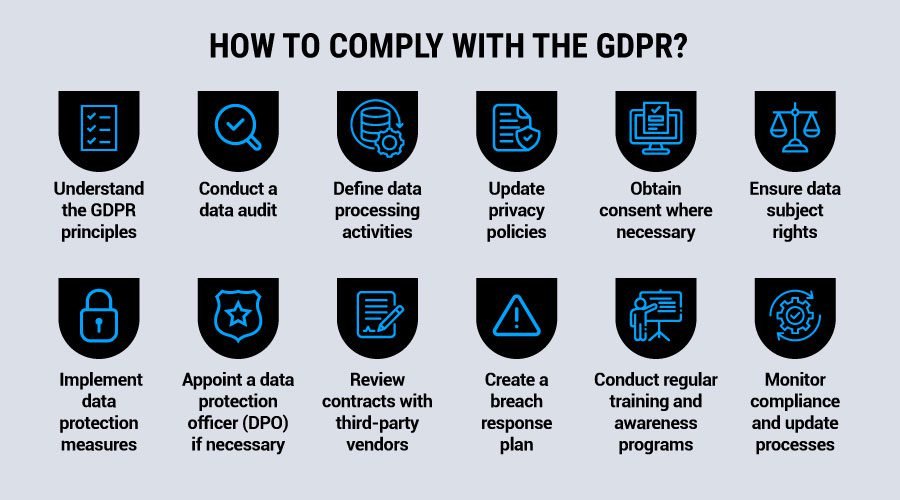
The High Court in Nakuru recently upheld a KES 500,000 penalty against Hotel Waterbuck for using a former employee’s image without valid consent, reaffirming that “express consent” must be proven in a manner that meets statutory thresholds.
With fines of up to KES 5 million or 1% of annual turnover (whichever is lower) and criminal penalties including imprisonment of up to 10 years, the stakes are high.
Key Difference: GDPR vs. Kenya Data Protection Act.
Many companies assume GDPR compliance automatically means KDPA compliance. This is a dangerous misconception.

While both regulations share a common architecture, they are not the same regulation. The KDPA imposes obligations on cross-border data transfers using a different adequacy framework. It requires consent language that references Kenyan law. It mandates ODPC registration for categories of processing that have no direct GDPR equivalent
Companies that assumed GDPR compliance was sufficient for Kenya should urgently review that assumption.
Eight Steps to Achieve Compliance.
1. Register with the ODPC.
Under the KDPA, data controllers and processors must register with the Office of the Data Protection Commissioner. Failure to register is a criminal offense, with penalties up to KES 3 million or imprisonment for up to 10 years.
Action: Determine whether your organization is a data controller or processor and complete registration with the ODPC. This is not a one-time exercise—registrations must be renewed and updated when processing activities change.
2. Map Your Data Flows.
You cannot protect what you do not know exists. The GDPR checklist emphasizes that “if you don’t know where data lives—you can’t protect it”.Action: Conduct a comprehensive data inventory and mapping exercise. Identify:
Maintain Records of Processing Activities (ROPA)
What personal data you collect
Where it flows (collection → storage → processing → sharing)
Which categories of sensitive data you handle.

3. Establish a Lawful Basis for Processing.
Every processing activity must have a lawful basis under Section 30 of the KDPA. This is frequently cited in ODPC enforcement actions, with unauthorized processing without consent being among the most common violations.
Action: Document the lawful basis for every processing activity. For consent-based processing, ensure consent is freely given, specific, informed, unambiguous, withdrawable, and documented.
Avoid common mistakes like:
Vague purposes (“for service improvement” is not enough)
Hidden consent inside Terms & Conditions.
Pre-ticked checkboxes.
Failing to mention third-party sharing.
4. Appoint a Data Protection Officer (DPO).
While not mandatory for all organizations, appointing a DPO or dedicated privacy contact is strongly recommended when processing sensitive or high-risk data (health, financial, biometric, children’s data, etc.).
Action: Consider appointing a DPO to oversee compliance, handle data subject requests, and serve as the contact point for privacy queries. This demonstrates accountability and builds trust.

5. Implement Data Subject Rights Mechanisms.
Data subjects have specific rights under the KDPA: access, rectification, erasure, objection, and withdrawal of consent.
Action: Establish clear mechanisms for data subjects to exercise their rights. Under GDPR standards, responses must be provided within 30 days . Ensure your privacy notices explain these rights clearly, including how to access data, correct inaccuracies, withdraw consent, and request deletion
6. Strengthen Security Controls.
Security failures are one of the top causes of enforcement actions and fines.The KDPA requires appropriate technical and organizational safeguards to protect data from unauthorized access, loss, or breaches.
Action: Implement robust security measures including:
- End-to-end encryption for data in transit and at rest.
- Access controls based on least privilege principles.
- Multi-factor authentication for admin accounts.
- Regular vulnerability assessments.
- Secure backup processes.
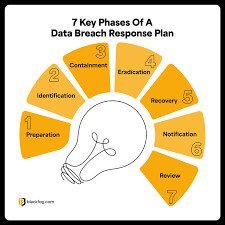
7. Prepare for Data Breaches.
Data breach management is a critical compliance area. Organizations must have a breach response plan and the ability to notify the ODPC promptly.
Action: Develop and test a breach response plan. Under GDPR standards, supervisory authorities must be notified within 72 hours.Maintain a breach register and ensure affected data subjects are informed if there is a high risk to their rights.
8. Address International Data Transfers.
This is a significant area where GDPR and KDPA diverge. The KDPA uses a different adequacy framework for cross-border data transfers, and GDPR requires either adequacy decisions, Standard Contractual Clauses (SCCs), or Binding Corporate Rules (BCRs) for transfers outside the EEA.
Action: Assess international data transfer risks. Ensure you have appropriate transfer mechanisms in place, including signed Data Processing Agreements with vendors that require third-party processors to be compliant.
The Business Case for Compliance
Beyond regulatory obligations, organizations must also consider the broader impact of how they handle data.
It helps organizations maintain trust, protect individual privacy, and promote a responsible digital environment. Responsible data handling builds customer confidence, strengthens brand reputation, and supports ethical digital practices in Kenya’s evolving technology landscape.
How Nalabix Supports Data Protection Compliance
At Nalabix, we help organizations across Kenya protect sensitive information while managing obsolete IT equipment responsibly.
Our secure IT asset management services include:
- Certified data destruction
- Hard drive destruction
- SSD destruction
- Secure data wiping
- IT Asset Disposal (ITAD)
- Data centre decommissioning
- Electronic waste recycling
- Secure electronic waste collection
- Certificates of Data Destruction
- Asset inventory and reporting

Our documented processes help organizations securely retire technology while supporting responsible environmental practices.
Frequently Asked Questions
Does GDPR apply to companies outside Europe?
Yes. GDPR can apply to organizations outside the European Union if they process the personal data of individuals located in the EU.
Is deleting files enough before recycling a computer?
No. Deleted files can often be recovered. Secure data wiping or physical destruction of storage media is recommended before disposal.
Why are Certificates of Data Destruction important?
They provide documented evidence that storage devices have been securely sanitized or destroyed, supporting audits, internal governance, and customer assurance.
How does IT Asset Disposal (ITAD) support compliance?
ITAD ensures obsolete technology is securely tracked, sanitized, refurbished, or recycled while maintaining documentation throughout the disposal process.
Final Thoughts
Data protection compliance is no longer a “nice to have.” With the ODPC actively enforcing the KDPA and courts upholding penalties, companies that delay compliance face significant financial and reputational risks. The message is clear: embed data protection into your governance and strategic risk management.
At Nalabix, we help businesses retire IT assets securely and in full compliance with Kenyan data protection laws. From secure data destruction to audit-ready documentation, we ensure your data protection obligations are met at every stage of the asset lifecycle.
Ready to ensure your data protection compliance? Contact Nalabix today for a consultation.