
Electronic devices have transformed the way we live, work, learn, and communicate. From the invention of the radio and television to today’s smartphones, laptops, and smart home devices, technology has become an essential part of everyday life.
However, every innovation comes with a challenge. As newer devices replace older ones at an increasingly rapid pace, the world generates millions of tonnes of electronic waste (e-waste) every year.
The history of electronic waste is more than a story about discarded gadgets. It reflects the evolution of technology, changing consumer habits, industrial growth, and the growing need for sustainable waste management. Understanding this history helps explain why responsible e-waste recycling has become one of the most important environmental priorities of the 21st century.
The Early Years of Electronics (1900s–1950s)
The history of e-waste began with the rise of electrical and electronic inventions during the early 20th century.
Households gradually adopted products such as:
- Radios
- Vacuum cleaners
- Refrigerators
- Telephones
- Electric fans
- Early televisions
These products were expensive, built to last, and often repaired instead of replaced. Electronic waste was minimal because consumers typically used the same devices for many years.
Durability—not rapid replacement—defined this era.
The Consumer Electronics Boom (1960s–1980s)
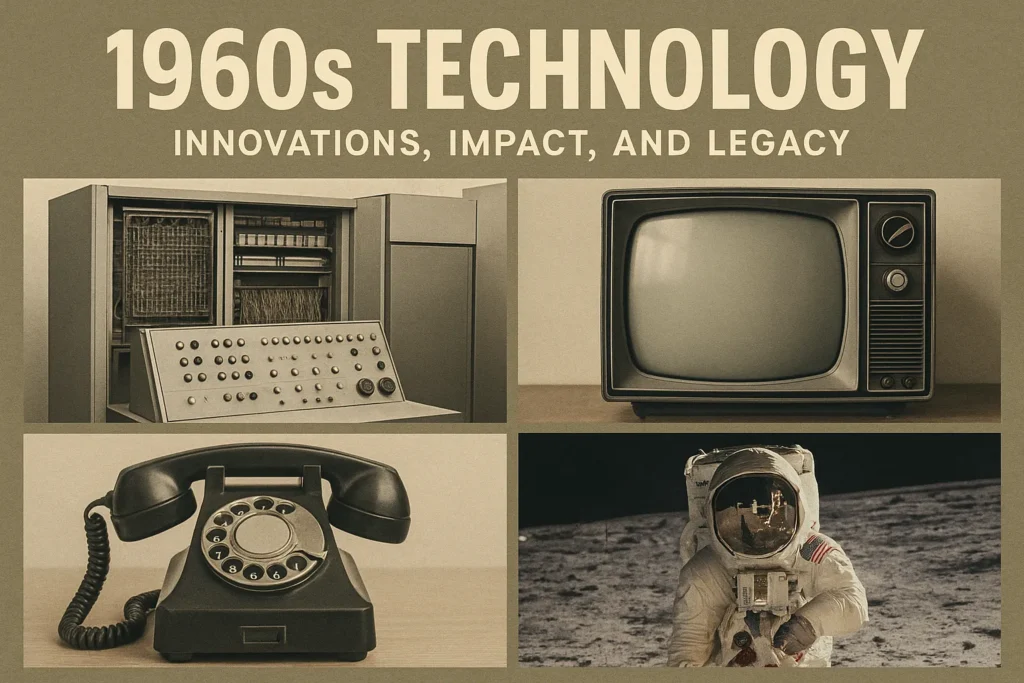
The second half of the 20th century brought a wave of innovation that changed how people interacted with technology.
New products entered homes and workplaces, including:
- Color televisions
- Stereo systems
- Personal computers
- Video cassette recorders (VCRs)
- Calculators
- Early video game consoles
Technology became more affordable, and ownership increased dramatically. As newer models appeared, older electronics were replaced more frequently.
This period marked the beginning of a noticeable increase in electronic waste.
The Computer Revolution (1980s–1990s)
The widespread adoption of personal computers transformed businesses, schools, and homes.
Desktop computers became essential tools for:
- Business operations
- Education
- Government services
- Banking
- Healthcare
However, computer technology advanced quickly. Businesses upgraded hardware every few years to improve speed, storage, and performance.
Older computers, monitors, floppy drives, and printers accumulated rapidly, creating new waste management challenges that traditional recycling systems were not designed to handle.
The Internet and Mobile Technology Era (1990s–2000s)
The arrival of the internet accelerated technology adoption worldwide.
Households increasingly purchased:
- Desktop computers
- Laptops
- Mobile phones
- Modems
- Digital cameras
- DVD players
Businesses invested heavily in servers, networking equipment, and data centres.
At the same time, technology companies introduced faster product cycles, encouraging consumers to upgrade devices more frequently.
Electronic waste volumes began growing at unprecedented rates.
The Smartphone Revolution (2007–Present)
The launch of modern smartphones fundamentally changed the electronics industry.
Consumers now replace devices more often because of:
- Improved features
- Faster processors
- Better cameras
- Software compatibility
- Battery degradation
- New operating systems
Today, many households own multiple electronic devices, including:
- Smartphones
- Tablets
- Laptops
- Smart TVs
- Smartwatches
- Wireless headphones
- Smart home devices
This rapid innovation has significantly increased the amount of electronic waste generated each year.
Why Electronic Waste Became a Global Concern
As technology spread around the world, governments and environmental organizations recognized that electronic waste was unlike ordinary household waste.
Electronic devices contain valuable materials such as:
- Gold
- Copper
- Aluminium
- Silver
- Palladium
- Rare earth elements
They also contain hazardous substances, including:
- Lead
- Mercury
- Cadmium
- Chromium
- Brominated flame retardants
Improper disposal through landfilling or open burning can release these substances into the environment, threatening ecosystems and human health.
The Evolution of E-Waste Recycling
In the early years, obsolete electronics were often:
- Stored in homes and offices.
- Disposed of with household waste.
- Sent to landfills.
- Burned or dismantled using unsafe methods.
As awareness grew, specialized recycling systems emerged.
Modern electronic waste recycling now focuses on:
- Secure collection
- Data destruction
- Refurbishment
- Material recovery
- Safe handling of hazardous components
- Environmental compliance
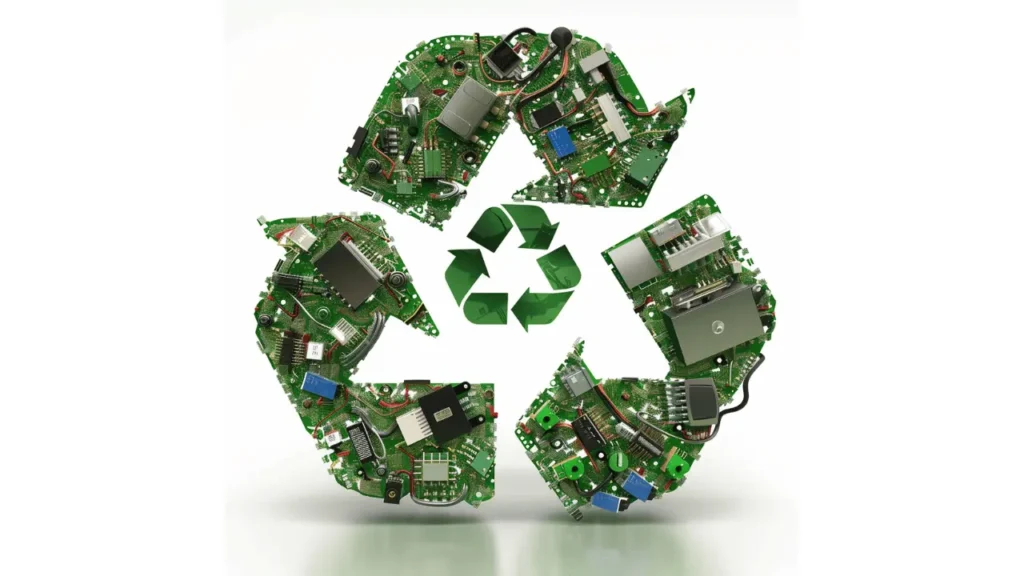
These practices reduce pollution while recovering valuable materials for reuse.
The Rise of the Circular Economy
The history of electronic waste has also shaped a new way of thinking about products and resources.
Instead of following the traditional “take, make, dispose” model, many organizations now embrace the circular economy, where products and materials remain in use for as long as possible.
Key principles include:
- Repairing devices
- Refurbishing equipment
- Reusing components
- Recycling valuable materials
- Designing products for longer lifespans
This approach reduces waste while conserving natural resources.
Electronic Waste in Kenya
Kenya has experienced rapid digital growth over the past two decades.
Technology now plays a central role in:
- Business operations
- Education
- Government services
- Healthcare
- Financial services
- Communication
As organizations modernize their IT infrastructure and consumers upgrade devices, electronic waste continues to increase.
Common challenges include:
- Stockpiling obsolete electronics
- Informal recycling
- Illegal dumping
- Limited public awareness
- Data security risks from discarded storage devices
These challenges have created a growing demand for professional electronic waste management services.
The Future of Electronic Waste
The future of e-waste management depends on collaboration between governments, businesses, manufacturers, and consumers.
Emerging trends include:
Longer Product Lifecycles
Manufacturers are increasingly designing products that are easier to repair and upgrade.
Advanced Recycling Technologies
Modern recycling facilities can recover more valuable materials with greater efficiency.
Sustainable IT Asset Management
Businesses are extending equipment lifecycles through refurbishment and responsible IT Asset Disposal (ITAD).
Stronger Environmental Policies
Governments around the world continue developing regulations that promote responsible electronic waste management.
Smart Recycling Technologies
Artificial intelligence, robotics, and automated sorting systems are improving recycling accuracy and efficiency.
Frequently Asked Questions
When did electronic waste become a major problem?
Electronic waste began growing rapidly during the 1980s and 1990s with the widespread adoption of personal computers, followed by the rapid expansion of mobile phones, the internet, and consumer electronics.
Why has e-waste increased so much?
Technological innovation, shorter product lifecycles, increased consumer demand, and frequent hardware upgrades have significantly increased the amount of electronic waste generated worldwide.
Was electronic waste always a problem?
No. Early electronic products were expensive, durable, and commonly repaired rather than replaced. E-waste became a major issue as technology became more affordable and replacement cycles became shorter.
Can the history of e-waste help us create better solutions?
Yes. Understanding how e-waste evolved highlights the importance of designing longer-lasting products, encouraging repair and reuse, and investing in responsible recycling systems
Final Thoughts
The history of electronic waste mirrors the history of modern technology itself. What began with a handful of household electrical appliances has evolved into a global ecosystem of connected devices that power nearly every aspect of our lives. While this technological progress has brought enormous benefits, it has also created a responsibility to manage obsolete electronics wisely.
Today, e-waste is no longer simply a disposal issue—it is an opportunity. Through refurbishment, secure data destruction, material recovery, and responsible recycling, discarded electronics can become valuable resources instead of environmental hazards.
For Kenya, embracing sustainable e-waste management is essential to protecting natural resources, supporting the circular economy, and ensuring that technological growth goes hand in hand with environmental stewardship.