
Every year, millions of people replace their smartphones, laptops, televisions, printers, and other electronic devices with newer models. While technological innovation has improved the way we live and work, it has also created one of the world’s fastest-growing waste streams—electronic waste (e-waste).
What many people don’t realize is that old electronics don’t simply disappear when they’re thrown away. Instead, they often end up in landfills, informal recycling sites, or storage rooms, where they continue to pose environmental, health, and economic risks.
So, why is e-waste a problem?
The answer lies in the unique materials found inside electronic devices. While they contain valuable resources that can be recovered and reused, they also contain hazardous substances that require careful handling. Without responsible management, e-waste becomes a serious threat to people, businesses, and the environment.
What Is E-Waste?
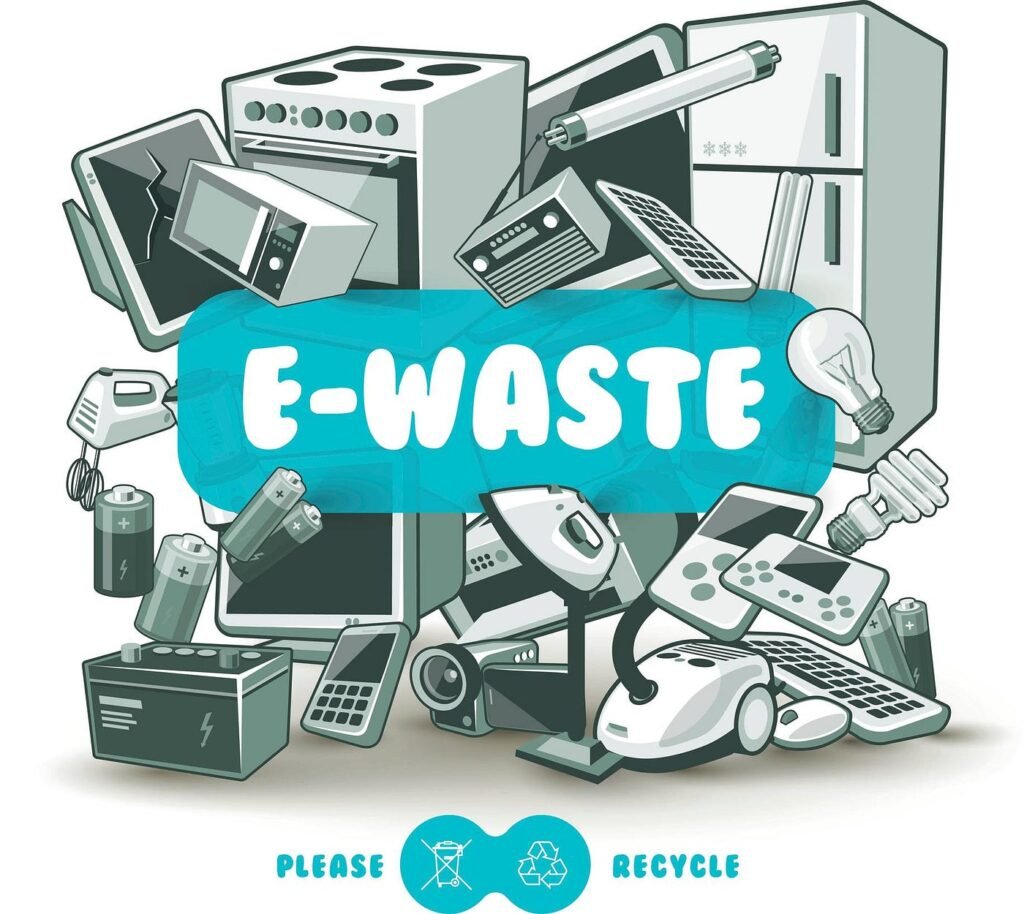
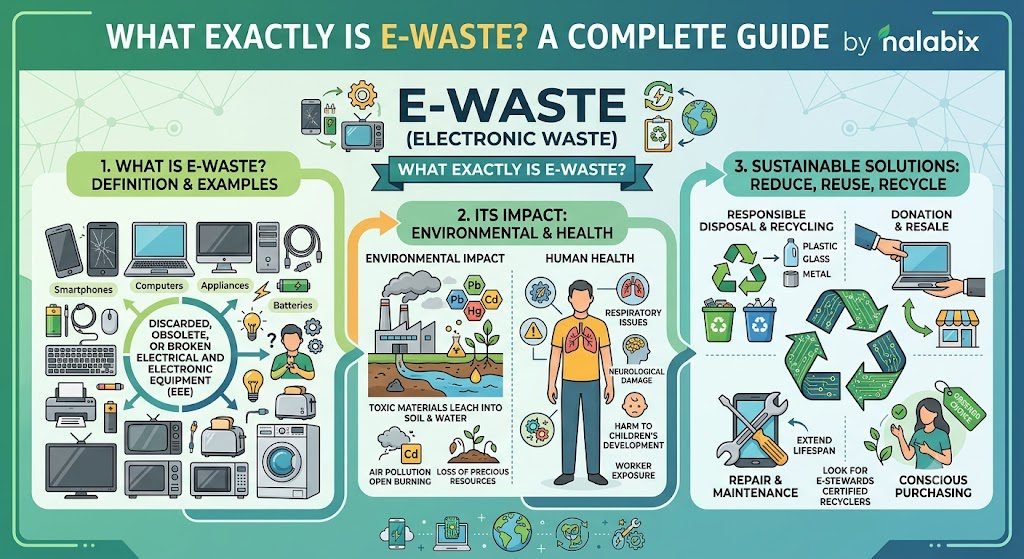
E-waste refers to discarded electrical and electronic equipment that has reached the end of its useful life or is no longer wanted.
Examples include:
- Computers and laptops
- Mobile phones and tablets
- Computer monitors
- Printers and scanners
- Televisions
- Routers and networking equipment
- Batteries and UPS systems
- Gaming consoles
As technology advances, more devices are replaced, resulting in an ever-growing volume of electronic waste.
Why Is E-Waste a Growing Global Problem?
Unlike ordinary household waste, electronic waste contains a complex mix of metals, plastics, glass, and hazardous chemicals.
When managed responsibly, these materials can be recovered and reused. However, when electronics are dumped, burned, or dismantled using unsafe methods, they can contaminate the environment and endanger human health.
Here are the biggest reasons why e-waste has become a global concern.
1. E-Waste Pollutes the Environment
Electronic devices contain hazardous substances such as:
- Lead
- Mercury
- Cadmium
- Chromium
- Brominated flame retardants
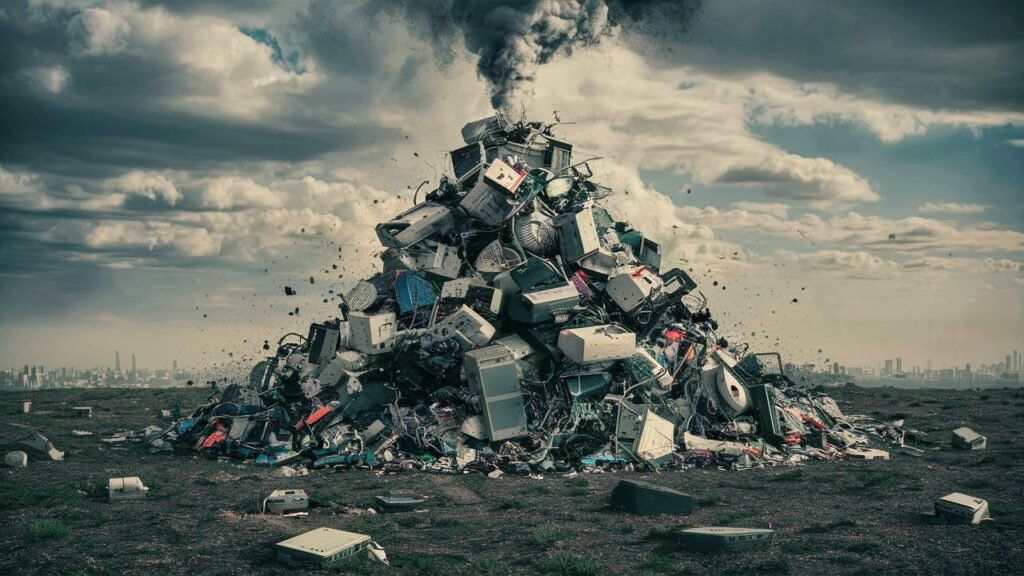
When e-waste is dumped in landfills or burned in open spaces, these toxic materials can seep into the soil, contaminate groundwater, and pollute the air.
This pollution affects:
- Rivers and lakes
- Agricultural land
- Wildlife habitats
- Drinking water sources
Proper recycling prevents these harmful substances from entering the environment.
2. It Poses Serious Health Risks
Improper handling of electronic waste can expose workers and nearby communities to dangerous chemicals.
Health risks associated with unsafe e-waste processing include:
- Respiratory problems
- Skin irritation
- Damage to the nervous system
- Kidney and liver damage
- Developmental issues in children
Informal recycling practices, such as burning cables to recover copper or using acids to extract metals, are especially harmful because they release toxic fumes and residues.
3. Valuable Resources Are Wasted
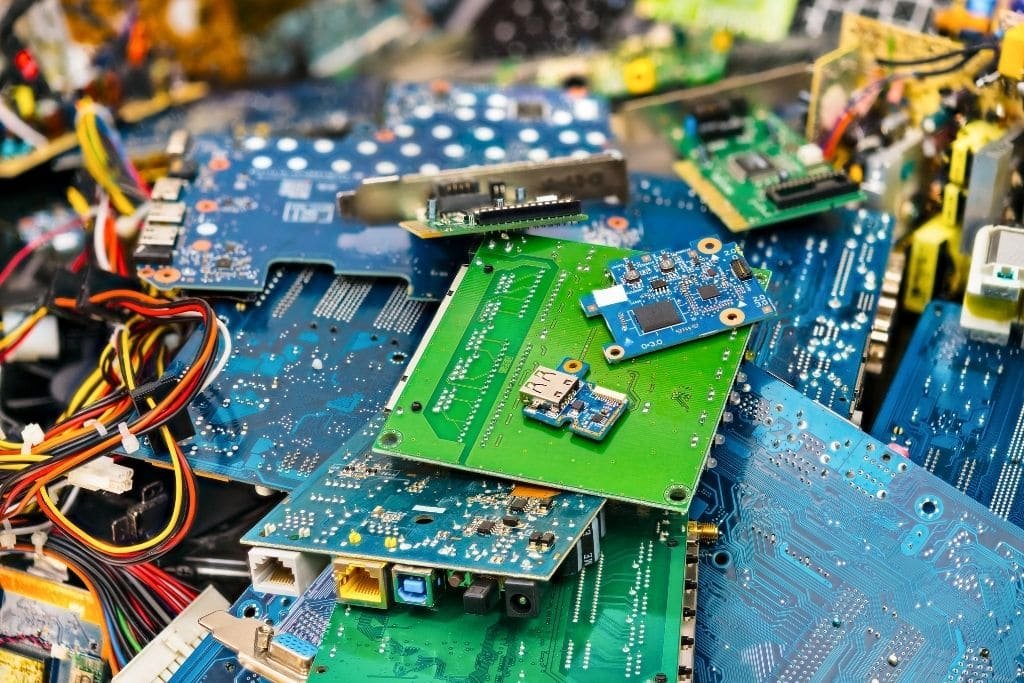
Electronic devices contain valuable raw materials, including:
- Gold
- Silver
- Copper
- Aluminium
- Steel
- Rare earth elements
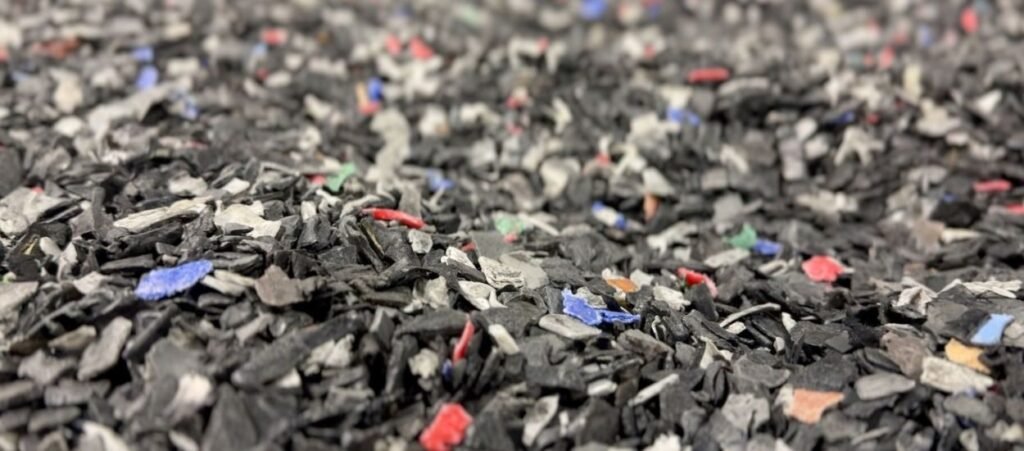
When electronics are discarded instead of recycled, these valuable resources are lost.
Recovering materials through responsible recycling reduces the need for mining, conserves natural resources, and lowers the environmental impact of manufacturing new products.
4. E-Waste Is Growing Faster Than Recycling Capacity
The demand for electronic devices continues to rise, but recycling systems are struggling to keep pace.
Several factors contribute to this challenge:
- Rapid technological innovation
- Frequent device upgrades
- Shorter product life cycles
- Increased global use of digital technology
- Growing consumption of electronic devices
As more electronics are purchased each year, the volume of e-waste continues to increase.
5. It Creates Data Security Risks
For businesses, e-waste isn’t just an environmental issue—it is also a data security concern.
Old computers, servers, laptops, and storage devices often contain:
- Customer information
- Financial records
- Employee data
- Business contracts
- Emails
- Intellectual property
Simply deleting files or formatting a hard drive does not permanently erase the data.
Without certified data destruction, sensitive information may still be recoverable, exposing organizations to data breaches, financial loss, and reputational damage.
6. E-Waste Increases Greenhouse Gas Emissions
Manufacturing new electronics requires significant amounts of:
- Energy
- Water
- Raw materials
When reusable devices are discarded instead of repaired or refurbished, additional resources are needed to manufacture replacements.
By extending the lifespan of electronics and recycling valuable materials, businesses and consumers can reduce carbon emissions and conserve natural resources.
7. Improper Disposal Increases Business Costs
Organizations that store obsolete IT equipment often face:
- Reduced office space
- Higher storage costs
- Increased security risks
- Compliance challenges
- Lost opportunities to recover value from reusable assets
A structured IT Asset Disposal (ITAD) programme helps businesses securely retire outdated technology while recovering value through refurbishment and recycling.
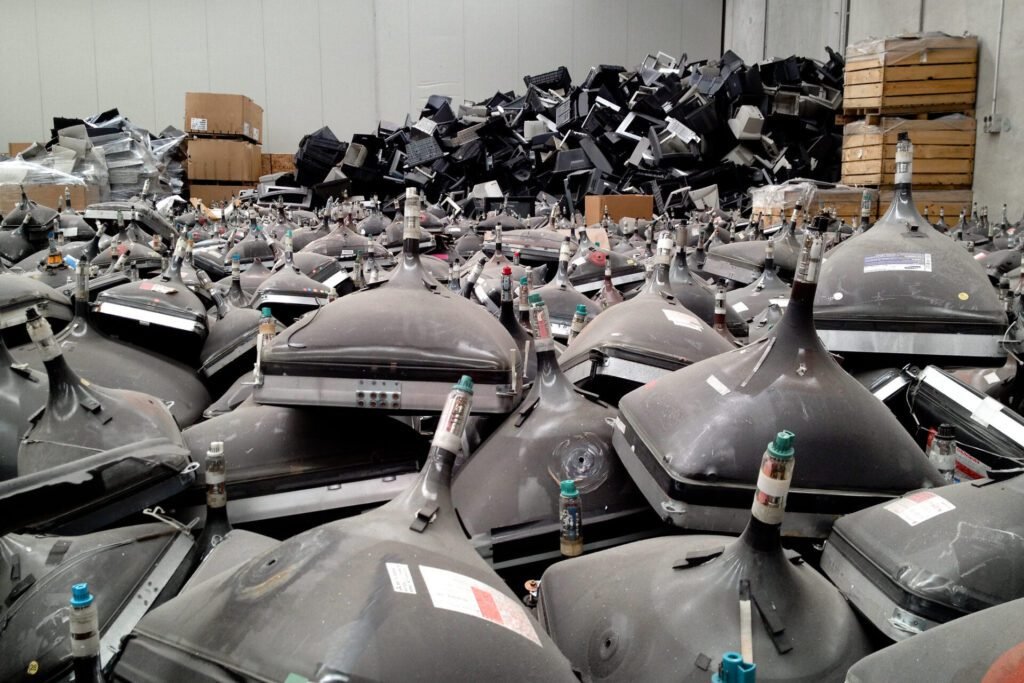
Why E-Waste Is a Growing Challenge in Kenya
Kenya’s digital economy is expanding rapidly, with businesses, schools, hospitals, financial institutions, and government agencies investing heavily in technology.
As computers, networking equipment, printers, and mobile devices reach the end of their lifecycle, the country faces an increasing volume of electronic waste.
Common challenges include:
- Illegal dumping of electronics
- Informal recycling using unsafe methods
- Limited public awareness
- Stockpiling obsolete IT equipment
- Poor separation of e-waste from general waste
These challenges highlight the need for stronger public awareness and greater adoption of responsible recycling practices.
The Solution: Sustainable Electronic Waste Management
The good news is that e-waste is a problem with a practical solution.
A sustainable approach to electronic waste management focuses on:
Responsible Collection
Collect obsolete electronics separately from general waste.
Reuse and Refurbishment
Repair and upgrade devices whenever possible to extend their useful life.
Secure Data Destruction
Protect confidential information before equipment is reused or recycled.
Certified Recycling
Recover valuable materials while safely handling hazardous components.
Circular Economy
Keep materials in use for as long as possible instead of sending them to landfills.
How Businesses Can Reduce E-Waste
Organizations can make a significant difference by adopting responsible IT lifecycle management.
Best practices include:
- Purchase durable, repairable equipment.
- Maintain and upgrade existing devices.
- Schedule regular electronic waste collections.
- Partner with licensed e-waste recyclers.
- Implement secure IT Asset Disposal (ITAD).
- Refurbish equipment where possible.
- Train employees on responsible e-waste disposal.
These measures reduce waste, improve sustainability, and strengthen ESG performance.
How Nalabix Helps Solve the E-Waste Problem
At Nalabix, we help organizations across Kenya reduce the environmental and security risks associated with electronic waste through secure, sustainable, and compliant e-waste management services.
Our solutions include:
- Electronic waste collection
- IT equipment recycling
- Certified data destruction
- IT Asset Disposal (ITAD)
- Equipment refurbishment
- Certificates of Recycling and Data Destruction
- Circular economy and ESG support
By recovering valuable materials and ensuring safe disposal of hazardous components, we help businesses transform electronic waste into valuable resources while protecting the environment.
Frequently Asked Questions
Why is e-waste considered hazardous?
Many electronic devices contain toxic substances such as lead, mercury, and cadmium. If these materials are released into the environment through improper disposal, they can contaminate soil, water, and air.
Why can’t electronics be thrown into regular bins?
Electronic devices require specialized recycling because they contain both hazardous materials and valuable resources. Mixing them with general waste increases environmental risks and prevents resource recovery.
Can e-waste be recycled?
Yes. Most electronic devices can be dismantled to recover metals, plastics, and glass, while hazardous components are safely managed through licensed recycling facilities.
How can businesses reduce e-waste?
Businesses can extend the lifespan of IT equipment, refurbish usable devices, implement secure IT Asset Disposal (ITAD), and partner with certified e-waste recyclers for responsible recycling.
Final Thoughts
E-waste is more than just a pile of old electronics—it’s a growing environmental, economic, and security challenge. Every discarded laptop, smartphone, server, or printer contains both valuable materials and potential hazards. When these devices are dumped, burned, or stored indefinitely, the consequences extend far beyond the individual owner.
The good news is that e-waste is also one of the most manageable waste streams. Through responsible collection, refurbishment, secure data destruction, and certified recycling, businesses and households can reduce pollution, recover valuable resources, protect sensitive information, and contribute to a more sustainable future.
At Nalabix, we’re committed to helping Kenya address the e-waste challenge with practical, compliant, and environmentally responsible solutions. Whether you’re retiring a single device or managing a large-scale IT upgrade, every responsible recycling decision helps build a cleaner, healthier, and more circular economy.