You’ve probably heard the term e-waste, but did you know it goes by several other names depending on the country, industry, or context?
Whether you’re reading an environmental report, government regulation, or recycling guide, you may come across terms such as electronic waste, WEEE, e-scrap, or end-of-life electronics. While these names may sound different, they all refer to the same growing environmental challenge—the safe management of discarded electronic and electrical devices.
Understanding these terms is important because they often appear in recycling policies, sustainability reports, environmental regulations, and corporate waste management programmes.
In this guide, we’ll explain the most common names for e-waste, what they mean, and why they are used.
What Is the Most Common Name for E-Waste?
The most widely recognized and internationally accepted name is electronic waste.
The term e-waste is simply a shortened version of electronic waste, making it easier to use in everyday conversations and publications.
Both terms describe electronic devices that are no longer wanted, functional, or useful and require responsible collection, refurbishment, recycling, or disposal.
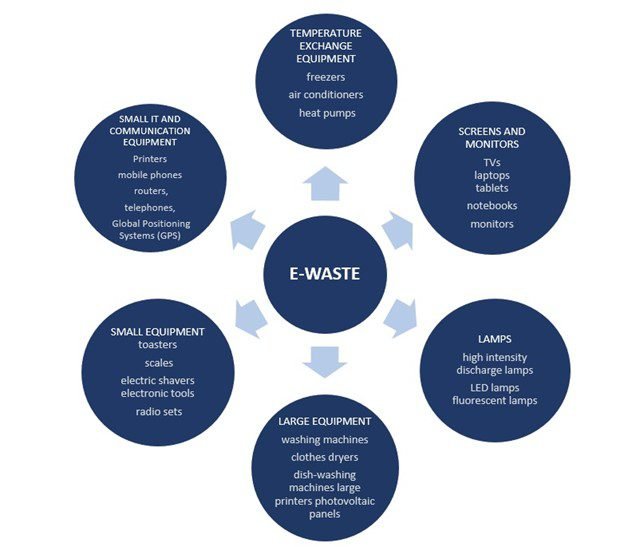
Examples include:
- Computers and laptops
- Mobile phones and tablets
- Computer monitors
- Printers and scanners
- Routers and networking equipment
- Televisions
- Batteries and UPS systems
Whether someone says electronic waste or e-waste, they are referring to the same category of discarded electronics.
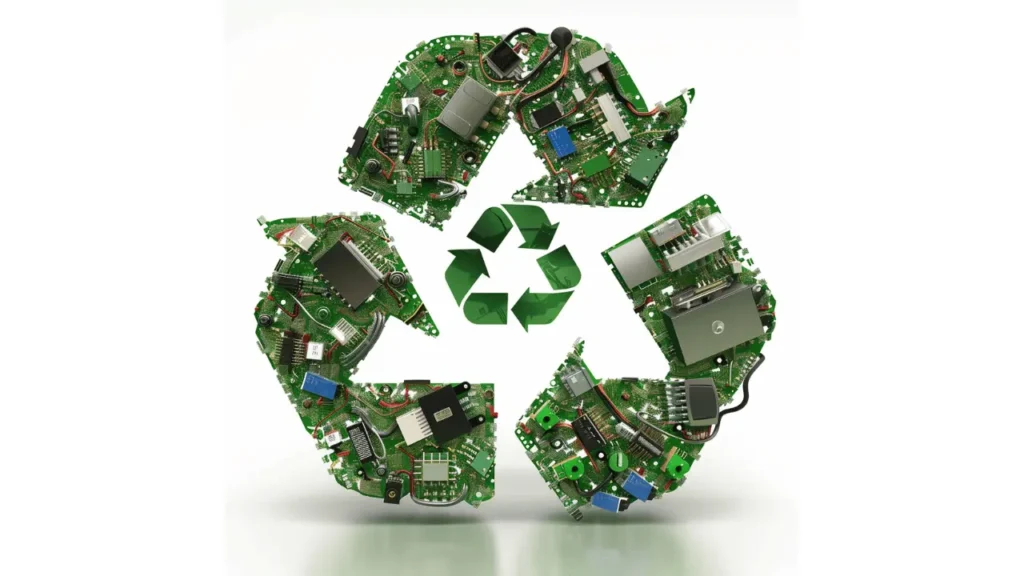
Other Names for E-Waste
Depending on where you are in the world or the industry you’re working in, e-waste may be referred to by different names.
1. Electronic Waste
This is the full version of the term and the most commonly used in environmental reports, educational materials, and public awareness campaigns.
You’ll often see it used by:
- Government agencies
- Environmental organizations
- Recycling companies
- Educational institutions
Example:
“Electronic waste is one of the fastest-growing waste streams globally.”
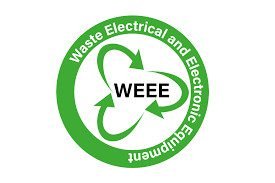
2. Waste Electrical and Electronic Equipment (WEEE)
WEEE is the official term widely used in Europe and the United Kingdom.
It refers to Waste Electrical and Electronic Equipment, covering any electrical or electronic device that has reached the end of its useful life.
The WEEE Directive established collection, recycling, and recovery requirements for electronic waste within the European Union.
Although Kenya does not use the WEEE Directive, the term is frequently referenced in international recycling standards and sustainability discussions.
3. E-Scrap
The recycling industry often uses the term e-scrap.
E-scrap refers to discarded electronic devices that are dismantled to recover valuable materials such as:
- Gold
- Copper
- Aluminium
- Steel
- Silver
- Plastics
The word emphasizes the recycling and material recovery aspect of electronic waste.
4. End-of-Life Electronics (EOL Electronics)
Many businesses and manufacturers use the phrase end-of-life electronics to describe equipment that has reached the end of its operational lifespan.
Examples include:
- Retired office computers
- Obsolete servers
- Decommissioned networking equipment
- Expired medical devices
The term is common in IT Asset Disposal (ITAD), asset lifecycle management, and corporate sustainability programmes.
5. Obsolete Electronics
This term refers to electronic devices that are outdated because of technological advancements rather than physical damage.
For example:
- A working desktop computer replaced by newer hardware.
- Older smartphones no longer receiving software updates.
- Legacy networking equipment replaced during infrastructure upgrades.
Although still functional, these devices often enter the recycling or refurbishment process.
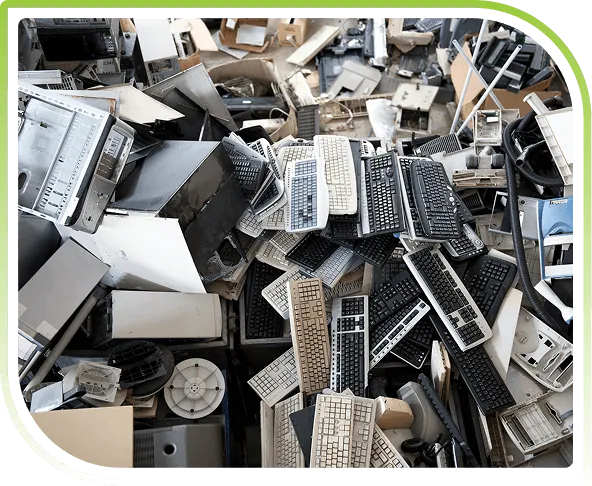
6. Discarded Electronics
This is a general term used to describe electronics that owners no longer want or need.
It commonly appears in educational materials and environmental awareness campaigns because it is easy for the public to understand.
7. Electronic Scrap
Some industries use electronic scrap as another name for electronic waste.
It generally refers to equipment that has been dismantled for recycling and material recovery rather than whole devices awaiting collection.
Do These Terms Mean Exactly the Same Thing?
Not always.
While they all relate to electronic waste, some have slightly different meanings depending on context.
| Term | Common Use |
|---|---|
| Electronic Waste | General term for discarded electronics |
| E-Waste | Shortened form of electronic waste |
| WEEE | Official European regulatory term |
| E-Scrap | Focuses on recyclable electronic materials |
| End-of-Life Electronics | IT lifecycle and asset management |
| Obsolete Electronics | Outdated but not necessarily broken equipment |
| Electronic Scrap | Electronics processed for recycling |
Despite these differences, they all describe electronic devices that require responsible management rather than disposal with ordinary waste.
Why Are There So Many Names for E-Waste?
Electronic waste affects many industries, including technology, manufacturing, environmental protection, recycling, and government regulation.
Different sectors use terminology that best suits their work.
For example:
- Environmental agencies often say electronic waste.
- European regulations use WEEE.
- IT departments refer to end-of-life IT assets.
- Recycling companies commonly use e-scrap.
- Manufacturers discuss product end-of-life management.
Although the terminology varies, the objective remains the same: ensuring electronics are managed safely and sustainably.
Electronic Waste in Kenya
Kenya’s rapid digital transformation has increased the volume of obsolete electronic devices generated by businesses, government institutions, schools, healthcare facilities, and households.
Whether referred to as:
- Electronic waste
- E-waste
- End-of-life electronics
- IT assets
- Obsolete electronics
These devices should be collected, securely processed, and recycled by licensed electronic waste recyclers.
Responsible management protects the environment while recovering valuable materials that can be reintroduced into manufacturing.
How Nalabix Helps Manage Electronic Waste Responsibly
Nalabix provides comprehensive electronic waste management services across Kenya, helping organizations safely manage all forms of end-of-life electronics.
Our services include:
- Electronic waste collection
- IT equipment recycling
- Certified data destruction
- IT Asset Disposal (ITAD)
- Equipment refurbishment
- Certificates of Recycling and Data Destruction
- Sustainable electronic waste management
Whether you call it e-waste, electronic waste, or end-of-life electronics, our team ensures it is managed securely, responsibly, and in compliance with environmental best practices.
Frequently Asked Questions
Is e-waste the same as electronic waste?
Yes. E-waste is simply an abbreviated form of electronic waste, and both terms refer to discarded electrical and electronic devices.
What does WEEE stand for?
WEEE stands for Waste Electrical and Electronic Equipment, a term commonly used in European regulations governing electronic waste collection and recycling.
What is e-scrap?
E-scrap refers to discarded electronic devices or components that are processed to recover valuable materials such as metals and plastics.
Is every old electronic device considered e-waste?
Generally, yes. Once an electronic device is no longer wanted, functional, or economically repairable, it becomes electronic waste and should be managed responsibly.
Final Thoughts
While electronic waste is the most common and widely understood name, you may also encounter terms such as e-waste, WEEE, e-scrap, end-of-life electronics, obsolete electronics, or electronic scrap. Each term reflects a slightly different perspective—whether regulatory, technical, or industry-specific—but they all point to the same responsibility: managing discarded electronics in a safe and sustainable way.
As technology continues to evolve, understanding these terms helps individuals and organizations make informed decisions about recycling, data security, and environmental stewardship.
By partnering with a trusted recycler like Nalabix, businesses and households across Kenya can ensure that obsolete electronics are collected, securely processed, and transformed into valuable resources instead of becoming environmental hazards.