Have you ever wondered why it is called e-waste?
The term is used so often that many people never stop to think about what it actually means. Yet understanding the name is the first step toward understanding one of the world’s fastest-growing environmental challenges.
Every time you replace an old smartphone, retire a laptop, upgrade office computers, or dispose of a broken television, you are generating electronic waste, commonly known as e-waste. As technology evolves faster than ever, millions of electronic devices become obsolete each year, making e-waste one of the fastest-growing waste streams globally.
But why exactly is it called e-waste, and why does that distinction matter?
Let’s explore the meaning behind the name, what qualifies as e-waste, and why responsible management of electronic waste is becoming increasingly important in Kenya and around the world.
What Does “E-Waste” Mean?
The word e-waste is a shortened form of electronic waste.
It combines two simple terms:
- “E“ stands for electronic, referring to devices that operate using electricity, batteries, or electronic circuits.
- “Waste” refers to items that are no longer wanted, functional, or useful to their owner.
When combined, electronic waste describes discarded electrical and electronic equipment that has reached the end of its useful life.
In simple terms:
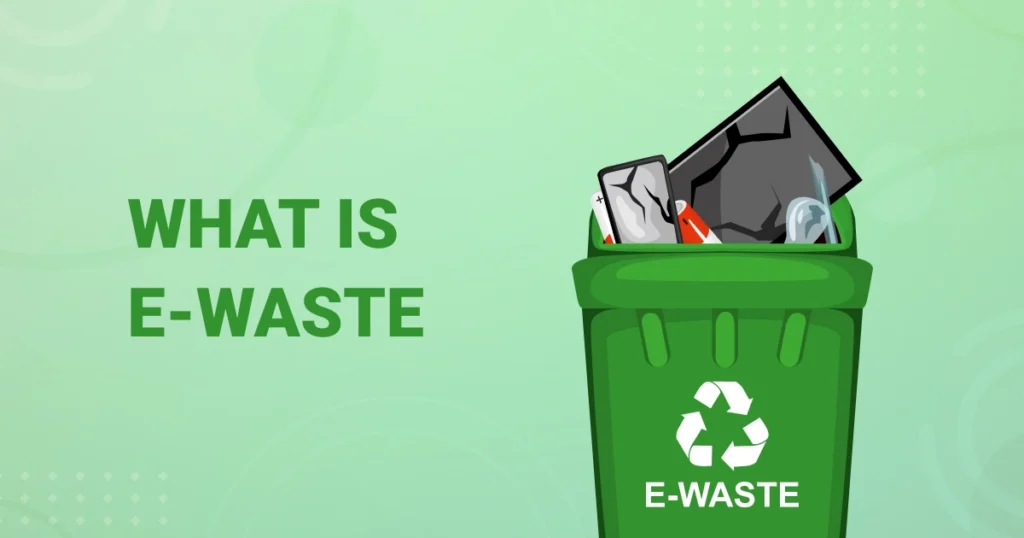
E-waste is any unwanted, obsolete, broken, or end-of-life electronic device that requires responsible collection, recycling, refurbishment, or disposal.
Why Was the Term “E-Waste” Created?
Before the rapid growth of computers, mobile phones, and digital technology, most waste consisted of paper, plastics, glass, metals, and organic materials.
As electronic devices became more common, governments, environmental organizations, and recycling industries realized that discarded electronics presented unique challenges.
Unlike ordinary household waste, electronic devices often contain:
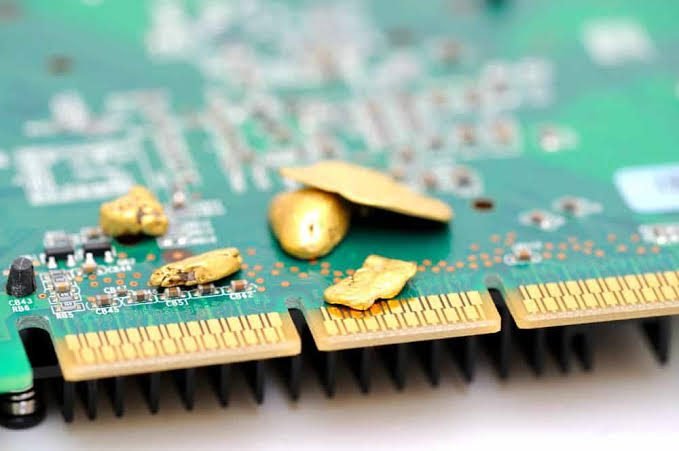
- Valuable metals such as gold, copper, and silver.
- Hazardous materials including lead, mercury, and cadmium.
- Sensitive data stored on hard drives, SSDs, and mobile devices.
- Components that require specialized recycling processes.
A new term was required to distinguish these products from general waste. “Electronic waste,” or “e-waste,” became the widely accepted name for discarded electronic and electrical equipment requiring specialized handling.
Is E-Waste the Same as Electronic Waste?
Yes. The two terms mean exactly the same thing.
You may see:
- E-waste
- Electronic waste
- Waste electrical and electronic equipment (WEEE)
- End-of-life electronics
While different countries and organizations use different terminology, they all refer to discarded electronic devices that should be collected and processed responsibly rather than thrown away with general waste.
What Is Considered E-Waste?
Many people assume e-waste only refers to computers and mobile phones. In reality, the category is much broader.
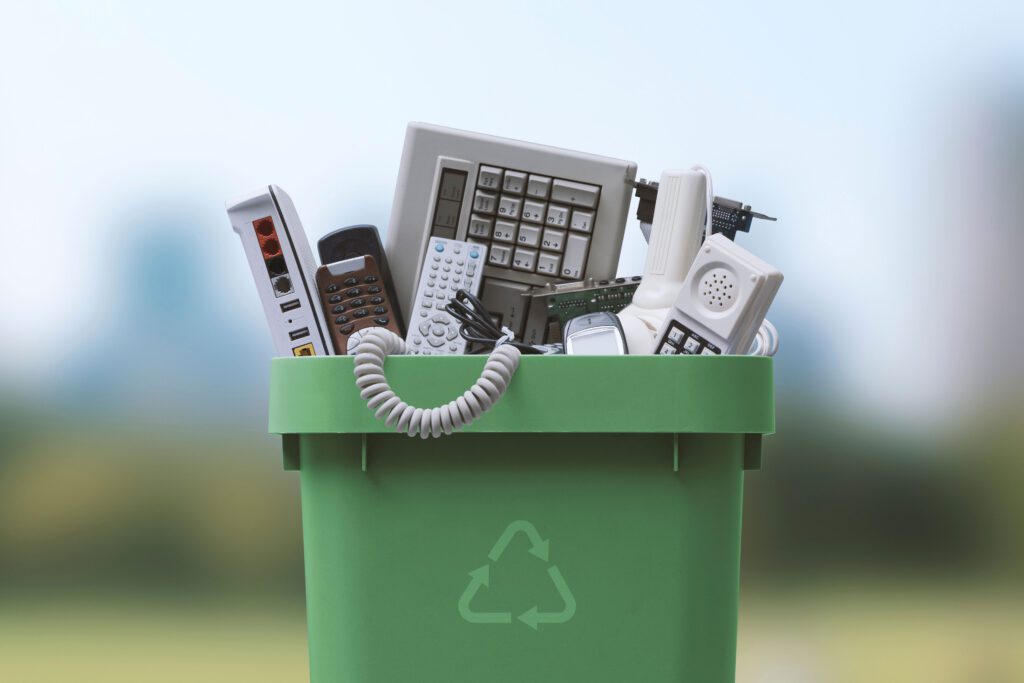
Examples of e-waste include:
Computers and IT Equipment
- Desktop computers
- Laptops
- Servers
- Computer monitors
- Keyboards and mice
- External hard drives
Office Equipment
- Printers
- Scanners
- Photocopiers
- Fax machines
- Projectors
Electrical Accessories
- Chargers
- Power supplies
- UPS systems
- Batteries
- Electronic cables
If it contains electronic components, batteries, or electrical circuits and is no longer functional, it is likely an e-waste.
Why Is E-Waste Different from Ordinary Waste?
Electronic waste requires special attention because it contains both valuable resources and hazardous materials.
Valuable Materials
Many electronic devices contain recyclable materials, including:
- Gold
- Copper
- Aluminium
- Steel
- Silver
- Palladium
- High-quality plastics
Recovering these materials reduces the need for mining and supports a circular economy.
Hazardous Components
Electronic equipment may also contain substances that can harm people and the environment if improperly disposed of, including:
- Lead
- Mercury
- Cadmium
- Chromium
- Brominated flame retardants
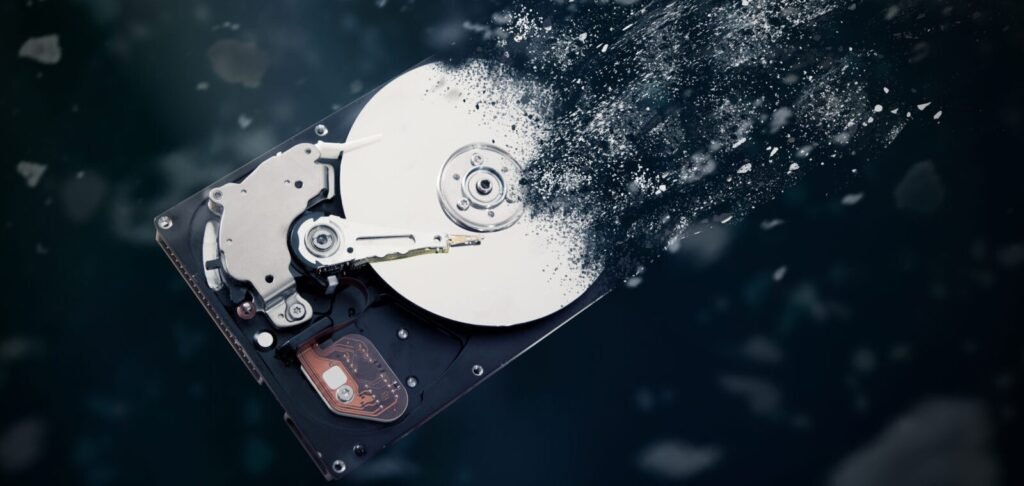
When people destroy electronics or dump them in landfills, these materials can contaminate the soil, groundwater, and the air.
Why Is E-Waste Becoming a Global Problem?
Technology is evolving at an unprecedented pace. Manufacturers release new devices every year, encouraging consumers and businesses to replace older equipment more frequently.
Several factors contribute to the rapid growth of e-waste:
- Shorter product life cycles.
- Rapid technological innovation.
- Increased digital transformation.
- Growing consumer demand for newer devices.
- Rising global access to electronics.
As a result, millions of tonnes of electronic waste are generated annually, making responsible recycling more important than ever.
What Happens to E-Waste After Collection?
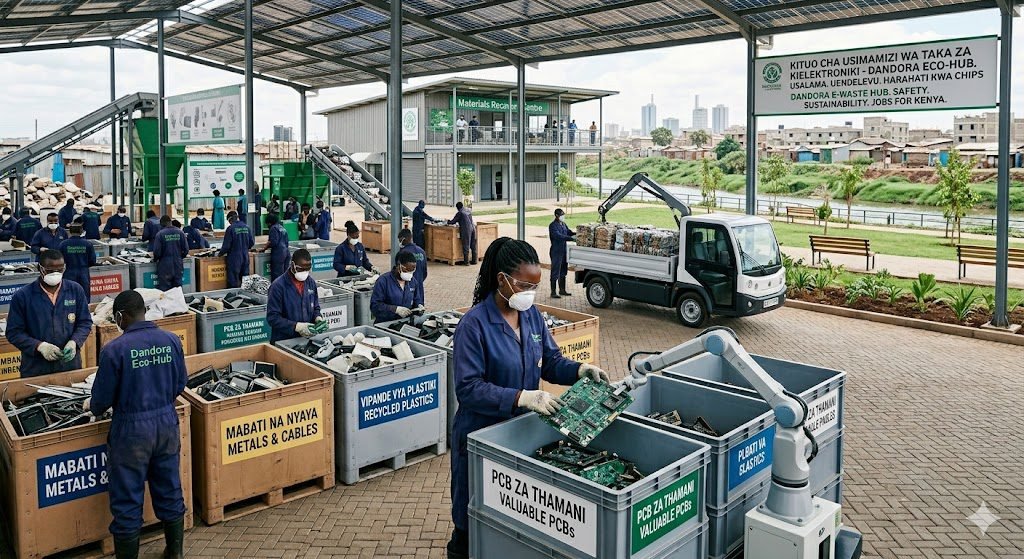
When managed by a licensed recycler, e-waste follows a structured process:
- Homes, businesses, and institutions collect and send electronics to recycling facilities.
- Inspection – Devices are assessed for reuse, refurbishment, or recycling.
- Data Destruction – Storage devices are securely wiped or physically destroyed.
- Dismantling – Equipment is separated into different material categories.
- Material Recovery – Metals, plastics, and glass are recovered for manufacturing.
- Safe Disposal – Hazardous materials are managed according to environmental standards.
Recycling facilities use this process to recover valuable resources while minimizing environmental impact.
Why Responsible E-Waste Recycling Is Important in Kenya
Kenya is experiencing rapid growth in technology adoption across businesses, schools, healthcare facilities, financial institutions, and households. As more electronic devices reach the end of their lifespan, the need for responsible e-waste management continues to grow.
Improper disposal can lead to:
- Environmental pollution
- Illegal dumping
- Loss of valuable recyclable materials
- Increased health risks
- Data security breaches
How Nalabix Helps Manage E-Waste Responsibly
At Nalabix, we help organizations and individuals across Kenya manage electronic waste through secure, environmentally responsible solutions.
Our services include:
- Electronic waste collection
- IT equipment recycling
- Certified data destruction
- IT Asset Disposal (ITAD)
- Equipment refurbishment
- Recycling and destruction certificates
- Sustainable electronic waste management
By transforming obsolete electronics into valuable resources, we help reduce environmental impact while supporting Kenya’s transition to a circular economy.
Frequently Asked Questions
Why is it called e-waste instead of electronic rubbish?
Environmental organizations, governments, and the recycling industry internationally recognize the term “e-waste” to describe discarded electronic and electrical equipment that requires specialized management.
Is every electronic device considered e-waste?
No. An electronic device only becomes e-waste when it is unwanted, obsolete, broken, or has reached the end of its useful life.
Why e-waste should not be thrown into normal bins?
Electronic devices often contain hazardous materials and valuable resources. Throwing them away with general waste can pollute the environment and waste recyclable materials.
Final Thoughts
The term “e-waste” may sound simple, but it represents one of the most significant environmental challenges of the digital age. It reminds us that electronic devices don’t simply disappear when we stop using them—they continue to have an impact on our environment, our economy, and our communities.
Understanding why it is called e-waste helps us recognize that obsolete electronics require more than ordinary disposal. They deserve responsible collection, secure data destruction, refurbishment where possible, and environmentally sound recycling.
As Kenya continues to embrace technology and digital transformation, responsible e-waste management will play a critical role in protecting natural resources, reducing pollution, and building a sustainable circular economy.