Kenya is emerging as a leader in green technology and sustainable innovation across Africa. From renewable energy and electric mobility to smart agriculture and e-waste recycling, the country is embracing technologies that reduce environmental impact while driving economic growth.
From renewable energy systems and energy-efficient buildings to electric vehicles and responsible electronic waste recycling, green technology is reshaping how we produce, consume, and dispose of resources.
At Nalabix, we believe green technology extends beyond clean energy. It also includes sustainable electronic waste management, IT asset lifecycle management, responsible recycling, and circular economy practices that protect both the environment and future generations.
What Is Green Technology?
Green technology, also known as environmental technology (EnviroTech) or clean technology (CleanTech), refers to products, systems, and processes designed to minimize environmental impact while promoting sustainable use of natural resources.
The goal of green technology is to:
- Reduce pollution and waste
- Promote recycling and resource recovery
- Improve energy efficiency
- Lower greenhouse gas emissions
- Conserve water and natural resources
- Support the circular economy
- Protect ecosystems and biodiversity

Unlike traditional technologies that often rely on resource-intensive processes, green technologies prioritize sustainability throughout a product’s lifecycle.
Why Green Tech Matters
Global demand for technology continues to grow, increasing pressure on natural resources and generating millions of tonnes of waste each year. Green tech provides practical solutions that balance economic development with environmental protection.
Its benefits include:
- Reducing carbon emissions.
- Conserving raw materials.
- Minimizing electronic and industrial waste.
- Improving energy efficiency.
- Supporting climate resilience.
- Creating green jobs and sustainable industries.
- Encouraging responsible production and consumption.
For businesses, adopting green technology is no longer just an environmental choice—it’s a strategic investment in resilience, innovation, and long-term growth.
Key Areas of Green Technology
Electronic Waste Recycling
Electronic devices contain valuable materials such as gold, copper, aluminium, and rare earth metals that can be recovered and reused.
Professional e-waste recycling:
- Prevents hazardous pollution.
- Conserves natural resources.
- Supports the circular economy.
- Reduces landfill waste.
Nalabix helps organizations recycle obsolete electronics responsibly through secure collection, certified data destruction, refurbishment, and environmentally compliant recycling.
Sustainable IT Asset Management
Organizations can reduce environmental impact by extending the lifecycle of IT equipment through:
- Regular maintenance
- Equipment refurbishment
- Secure data wiping
- Responsible IT Asset Disposal (ITAD)
- Recycling end-of-life devices
This reduces electronic waste while maximizing the value of technology investments.
Renewable Energy
Renewable energy technologies generate electricity from naturally replenishing resources, including:
- Solar power
- Wind energy
- Hydroelectric power
- Geothermal energy
- Biomass
These technologies reduce dependence on fossil fuels and lower greenhouse gas emissions.
Energy-Efficient Technologies
Modern innovations help reduce energy consumption through:
- LED lighting
- Smart buildings
- Energy-efficient appliances
- High-efficiency HVAC systems
- Smart power management
Lower energy use translates into reduced operational costs and environmental impact.
Green Technology and the Circular Economy
Green technology plays a critical role in supporting the circular economy, where products and materials are kept in use for as long as possible.
Instead of the traditional “take, make, dispose” model, the circular economy focuses on:
- Reducing waste
- Repairing products
- Reusing materials
- Refurbishing equipment
- Recycling valuable resources
For example, instead of discarding old laptops, organizations can securely erase data, refurbish functional devices, and recycle non-reusable components. This reduces environmental impact while recovering valuable materials.
The Role of Green Technology in Electronic Waste Management
Electronic waste is one of the fastest-growing waste streams globally. Green technology helps address this challenge by improving how electronic devices are designed, used, and recycled.
Examples include:
- Environmentally friendly recycling technologies
- Automated material recovery systems
- Secure data destruction technologies
- Sustainable product design
- Battery recycling innovations
- Smart waste collection systems
These innovations reduce pollution while maximizing resource recovery.
Frequently Asked Questions
What is green technology?
Green technology refers to products, systems, and processes that reduce environmental impact, conserve natural resources, and promote sustainable development.
Why is green technology important?
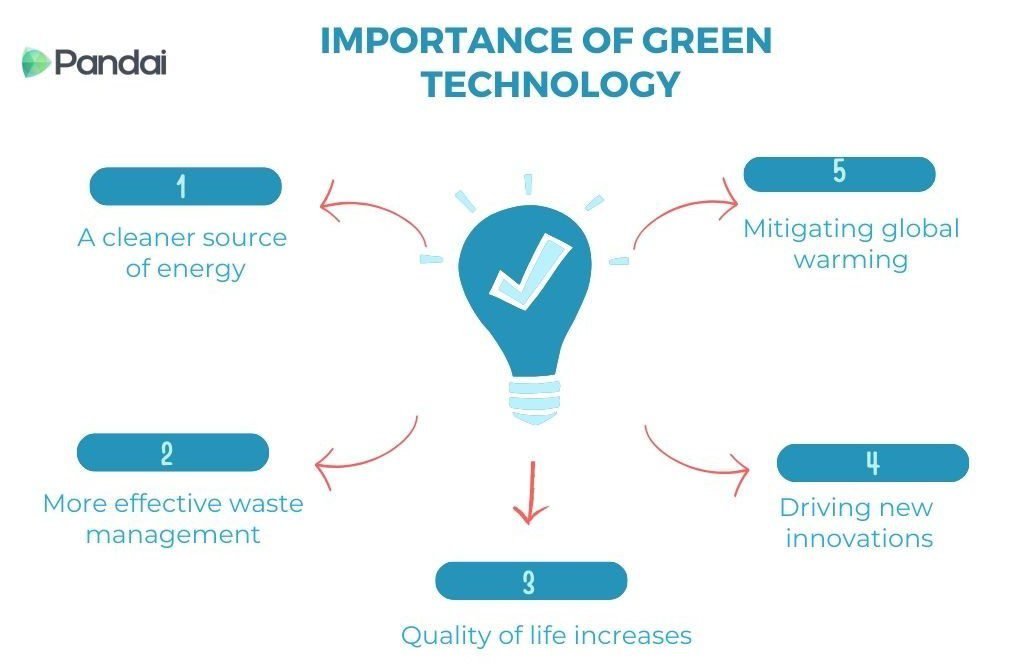
It helps reduce pollution, improve energy efficiency, conserve resources, combat climate change, and support a circular economy.
Is electronic waste recycling considered green technology?
Yes. Responsible electronic waste recycling is a key component of green technology because it recovers valuable materials, reduces pollution, and minimizes landfill waste.
How can businesses adopt green technology?
Businesses can improve energy efficiency, recycle electronic waste, extend the lifespan of IT equipment, implement renewable energy, and integrate sustainability into their operations.
Nalabix is proud to support Kenya’s green transition through secure electronic waste recycling, IT asset management, certified data destruction, and circular economy solutions. Together, we can transform obsolete electronics into valuable resources and create lasting environmental impact.
Ready to embrace green technology? Contact Nalabix today and discover how our sustainable e-waste management solutions can help your organization build a greener future.