As technology continues to transform the way we live and work, electronic devices are becoming obsolete at an unprecedented rate. From smartphones and laptops to servers, printers, and household appliances, millions of electronic products reach the end of their lifecycle every year. Without proper disposal, these devices contribute to one of the world’s fastest-growing environmental challenges—electronic waste (e-waste).
Sustainable electronic waste management is the long-term solution. It goes beyond simply disposing of old electronics by promoting responsible collection, secure data destruction, refurbishment, recycling, and the recovery of valuable materials. This approach reduces environmental pollution, conserves natural resources, and supports a circular economy where materials are reused instead of discarded.
At Nalabix, we are committed to helping businesses, institutions, and households across Kenya manage electronic waste responsibly through secure, environmentally compliant, and sustainable e-waste solutions.
What Is Sustainable Electronic Waste Management?
Sustainable electronic waste management is the systematic process of handling obsolete or unwanted electronic equipment in a way that minimizes environmental impact while maximizing the recovery and reuse of valuable resources.
Instead of allowing electronic devices to end up in landfills or informal recycling channels, sustainable management ensures they are:
- Collected safely
- Processed securely
- Repaired or refurbished where possible
- Dismantled responsibly
- Recycled using environmentally sound methods
- Documented for compliance and transparency
This approach protects ecosystems, conserves finite resources, and supports responsible consumption.
Why Sustainable Electronic Waste Management Matters.
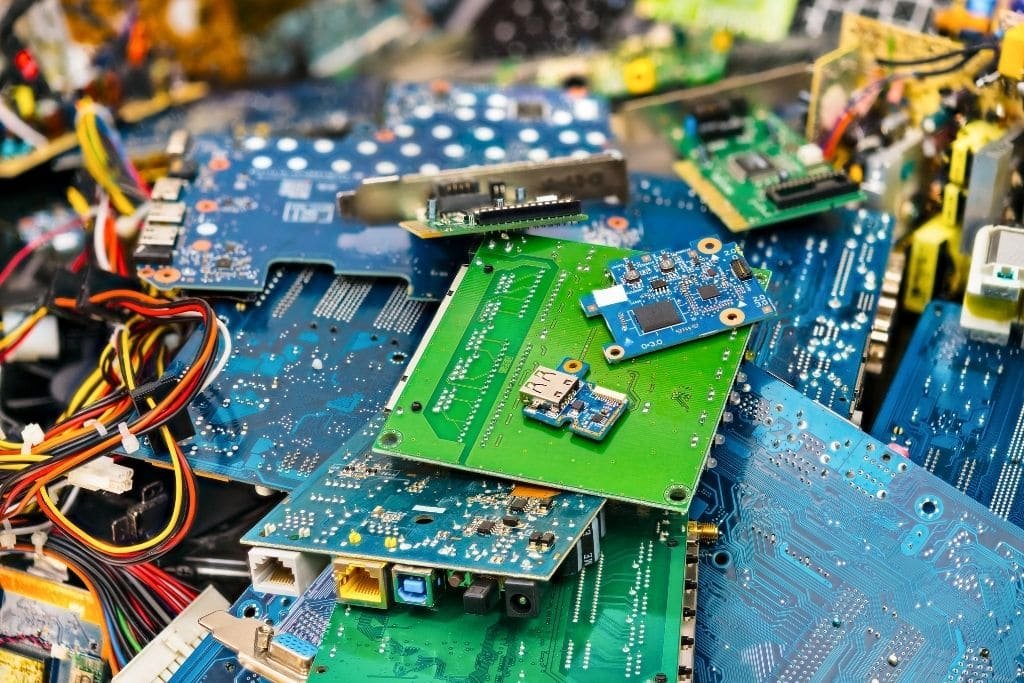
Electronic devices contain a combination of valuable materials and hazardous substances. While metals such as gold, copper, silver, and aluminium can be recovered and reused, components containing lead, mercury, cadmium, and brominated flame retardants can harm both people and the environment if improperly handled.
Adopting sustainable e-waste management helps to:
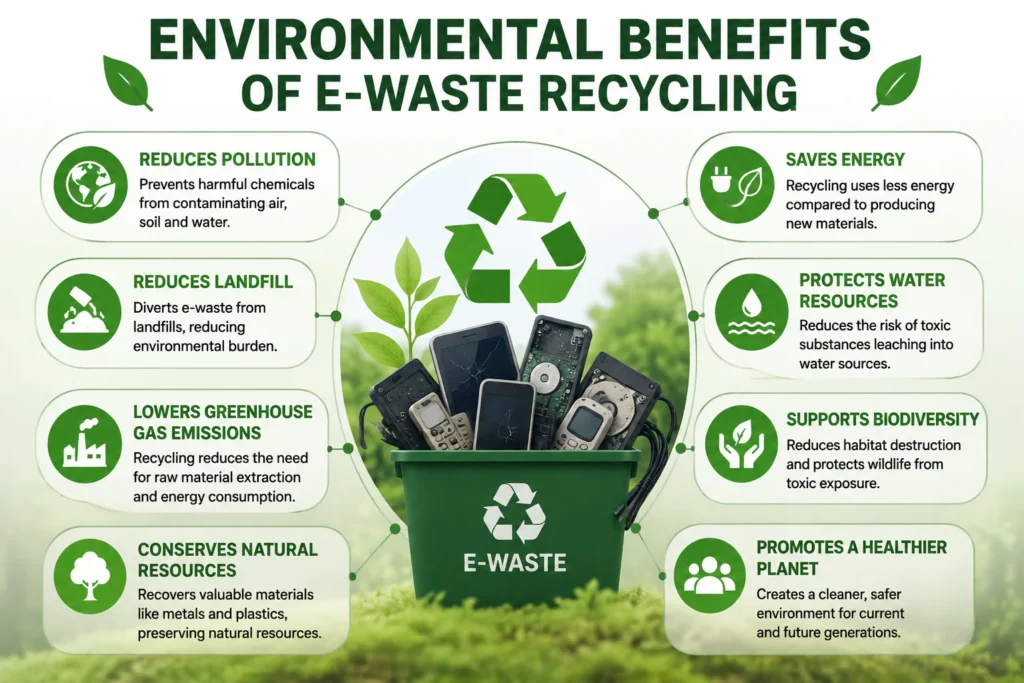
- Reduce environmental pollution.
- Prevent toxic chemicals from contaminating soil and water.
- Recover valuable raw materials.
- Reduce greenhouse gas emissions associated with mining.
- Protect sensitive business and personal data.
- Promote resource efficiency and circular economy practices.
- Support compliance with Kenya’s environmental regulations and ESG commitments.
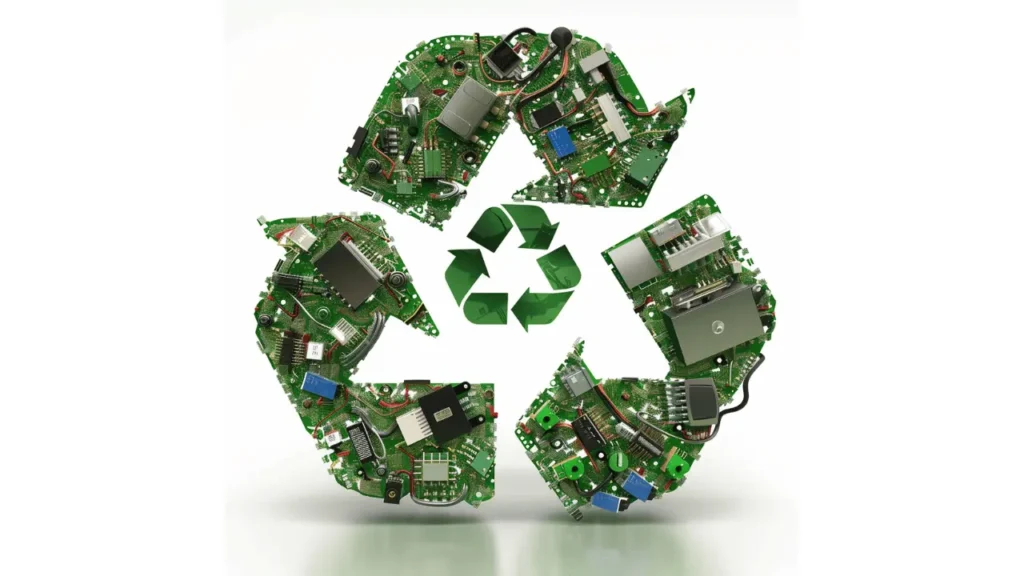
Responsible management ensures today’s electronic waste becomes tomorrow’s valuable resource.
The Growing E-Waste Challenge in Kenya.
Kenya has experienced rapid growth in digital technology across businesses, schools, government institutions, healthcare facilities, and households. As organizations modernize their IT infrastructure, thousands of computers, servers, networking devices, printers, and mobile devices are replaced each year.
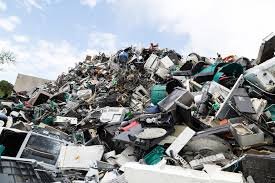
Unfortunately, many obsolete electronics are:
- Stored indefinitely in offices and warehouses.
- Disposed of alongside general waste.
- Burned in open spaces.
- Processed by informal recyclers using unsafe methods.
These practices contribute to environmental degradation, expose workers to hazardous materials, and result in the loss of valuable recyclable resources.
Sustainable electronic waste management provides a practical solution by ensuring electronics are collected, processed, and recycled through licensed and environmentally responsible facilities.
Key Principles of Sustainable Electronic Waste Management
1. Reduce Electronic Waste
The most sustainable electronic device is the one you continue using. Organizations can reduce e-waste by:
- Purchasing durable equipment.
- Maintaining existing devices.
- Upgrading components instead of replacing entire systems.
- Extending equipment life through preventive maintenance.
Reducing consumption minimizes waste generation and lowers operational costs.
2. Reuse and Refurbishment
Many electronic devices still have functional value even after being replaced.
Suitable equipment can be:
- Refurbished
- Repaired
- Upgraded
- Donated
- Resold
Refurbishment extends product lifecycles, reduces manufacturing demand, and makes technology more accessible.
3. Secure Data Destruction
Before recycling computers, laptops, servers, or storage devices, sensitive data must be permanently destroyed.
Professional data destruction methods include:
- Certified data wiping
- Hard drive shredding
- SSD destruction
- Physical media destruction
Secure data destruction protects organizations from data breaches while preparing equipment for recycling or resale.
4. Responsible Recycling
Electronics that cannot be reused are dismantled to recover valuable materials such as:
- Copper
- Aluminium
- Steel
- Plastics
- Glass
- Precious metals
These materials are reintroduced into manufacturing, reducing the need for virgin resource extraction.
Benefits of Sustainable Electronic Waste Management.
Environmental Protection
Responsible recycling prevents hazardous substances from polluting ecosystems while conserving natural resources.
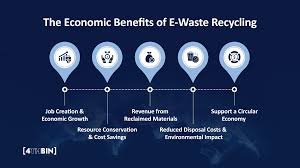
Supports the Circular Economy
Recovered materials are transformed into new products, reducing waste and encouraging sustainable manufacturing.
Enhanced Data Security
Certified destruction of storage media ensures confidential business information cannot be recovered.
Regulatory Compliance
Organizations demonstrate compliance with environmental regulations and industry best practices.
Improved Corporate Sustainability
Responsible e-waste management strengthens Environmental, Social, and Governance (ESG) performance and corporate reputation.
Cost Savings
Refurbishment, resale, and efficient recycling reduce disposal costs and recover value from obsolete assets.
Sustainable Electronic Waste Management for Businesses
Businesses generate significant volumes of electronic waste during technology upgrades, office relocations, and infrastructure modernization.
A sustainable e-waste strategy should include:
- Regular electronic waste audits.
- Scheduled e-waste collection.
- Secure IT asset disposition (ITAD).
- Certified data destruction.
- Responsible recycling.
- Employee awareness programmes.
- Asset tracking and reporting.
These practices reduce environmental impact while improving operational efficiency.
How Nalabix Promotes Sustainable Electronic Waste Management
At Nalabix, sustainability is integrated into every stage of our electronic waste management process. We help organizations reduce their environmental footprint while ensuring secure and compliant disposal of obsolete electronics.
Our Sustainable E-Waste Services
- Electronic waste collection across Kenya.
- Responsible electronics recycling.
- Certified data destruction.
- IT Asset Disposition (ITAD).
- Equipment refurbishment and reuse.
- Asset inventory and reporting.
- Certificates of Recycling and Data Destruction.
- 🌍Circular economy and ESG support.
Best Practices for Sustainable Electronic Waste Management.
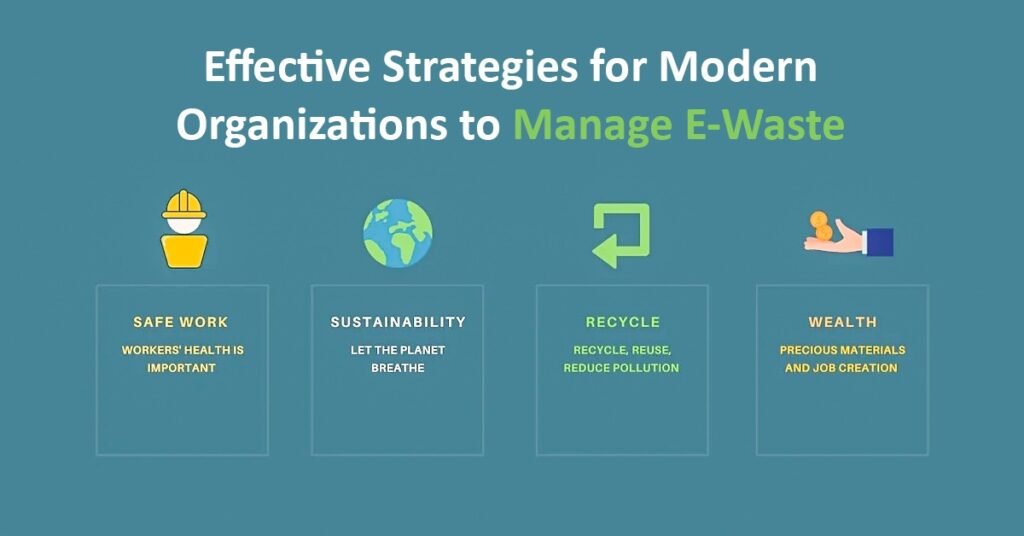
To build a more sustainable future, organizations should:
- Purchase high-quality, energy-efficient electronics.
- Extend the lifespan of devices through maintenance.
- Separate electronic waste from general waste.
- Partner with licensed e-waste recyclers.
- Destroy sensitive data before disposal.
- Encourage equipment refurbishment where possible.
- Educate employees about responsible e-waste disposal.
- Maintain records of recycled electronic assets.
Every responsible action contributes to a cleaner environment and a stronger circular economy.
Whether you’re disposing of obsolete office equipment, upgrading IT infrastructure, or implementing a long-term sustainability strategy, Nalabix provides trusted, secure, and environmentally responsible e-waste management solutions tailored to your needs.
Contact Nalabix today to schedule an electronic waste collection and take the next step toward a cleaner, greener, and more sustainable Kenya.