Kenya is experiencing rapid digital transformation. Businesses upgrade IT equipment regularly, schools embrace digital learning, government institutions modernize services, and households continuously purchase new electronic devices.
This growth has significantly increased electronic waste.
Without proper recycling:
- Hazardous materials contaminate soil and water.
- Valuable metals are lost.
- Data stored on old devices may be exposed.
- Informal recycling methods create health risks.
- Landfills become overloaded.
Professional electronic waste recycling in Kenya helps solve these challenges while supporting a circular economy.
Common Types of Electronic Waste Recycled in Kenya
Most licensed recyclers accept a wide range of electronics.
Office Equipment
- Computers
- Laptops
- Monitors
- Keyboards
- Mice
- Printers
- Photocopiers
- Scanners
IT Infrastructure
- Servers
- Storage systems
- Switches
- Routers
- Firewalls
- Network cabinets
- Telecom equipment
Consumer Electronics
- Mobile phones
- Tablets
- TVs
- Audio equipment
- Cameras
- DVD players
- Gaming consoles
Industrial Electronics
- Control systems
- Industrial computers
- Electronic testing equipment
- Manufacturing electronics
Power Equipment
- UPS systems
- Power supplies
- Batteries
- Solar inverters
- Chargers
The Electronic Waste Recycling Process
Professional recycling follows a structured process to maximize material recovery while protecting sensitive information.
1. Collection
Electronic waste is collected from homes, businesses, schools, hospitals, NGOs, factories, and government institutions.
Pickup services help organizations dispose of large quantities efficiently.
2. Inventory and Assessment
Each device is inspected to determine whether it should be:
- Reused
- Refurbished
- Recycled
- Securely destroyed
3. Data Destruction
Before recycling computers or storage devices, all sensitive data must be permanently removed.
Professional recyclers provide:
- Secure data wiping
- Hard drive shredding
- SSD destruction
- Certificates of Data Destruction
This protects confidential business and personal information.
4. Dismantling
Devices are carefully dismantled into different material categories.
These include:
- Steel
- Aluminum
- Copper
- Circuit boards
- Plastics
- Glass
- Precious metals
5. Material Recovery
Recovered materials are processed for reuse in manufacturing new products.
This reduces demand for virgin raw materials and supports sustainable production.
6. Environmentally Responsible Disposal
Materials that cannot be recycled are disposed of according to Kenyan environmental regulations.
Benefits of Electronic Waste Recycling in Kenya
Protects the Environment
Responsible recycling prevents hazardous materials such as lead, mercury, cadmium, and brominated flame retardants from polluting ecosystems.
Conserves Natural Resources
Electronics contain valuable metals including:
- Gold
- Silver
- Copper
- Aluminum
- Palladium
Recovering these materials reduces mining and conserves natural resources.
Supports the Circular Economy
Instead of discarding valuable materials, recycling returns them to manufacturing, reducing waste and creating economic opportunities.
Improves Data Security
Businesses often overlook the sensitive information stored on computers, servers, laptops, and storage devices.
Certified electronic waste recycling includes secure destruction of confidential data.
Helps Organizations Stay Compliant
Proper recycling demonstrates environmental responsibility and supports ESG goals while helping organizations comply with applicable environmental regulations.
Who Needs Electronic Waste Recycling?
Virtually every organization generates electronic waste.
Major sectors include:
- 🎓 Educational institutions
- 🏛 Government agencies
- 🏥 Healthcare facilities
- 🏦 Banks and financial institutions
- 🏭 Manufacturing companies
- 🛒 Retail businesses
- 🌍 NGOs
- 💼 Corporate offices
- ☁ Data centers
- 🏢 Small and medium enterprises
Choosing the Right Electronic Waste Recycling Company in Kenya
Not all recyclers follow responsible practices.
When selecting a recycling partner, consider whether they offer:
✅ Licensed operations
✅ Secure data destruction
✅ Collection services
✅ IT Asset Disposition (ITAD)
✅ Asset tracking
✅ Recycling certificates
✅ Certificates of Destruction
✅ Environmental compliance
✅ Corporate reporting
Choosing an experienced recycler ensures your electronic waste is managed safely, legally, and responsibly.
How Businesses Benefit from Electronic Waste Recycling
Organizations replacing IT equipment regularly benefit through:
- Reduced environmental risk
- Secure disposal of confidential information
- Regulatory compliance
- Better ESG reporting
- Improved corporate sustainability
- Reduced storage of obsolete equipment
- Professional asset management
- Peace of mind
Many companies also integrate electronic waste recycling into their sustainability and corporate social responsibility (CSR) programs.
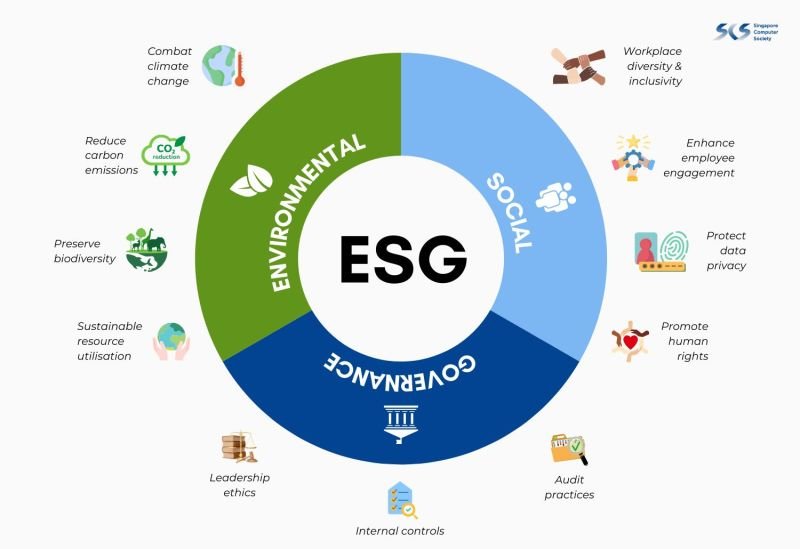
Electronic Waste Recycling and ESG
Environmental, Social, and Governance (ESG) initiatives are becoming increasingly important across Kenya.
Responsible electronic waste recycling contributes to ESG by:
Environmental
- Reducing landfill waste
- Conserving natural resources
- Preventing pollution
Social
- Supporting responsible recycling practices
- Protecting public health
- Creating green employment opportunities
Governance
- Maintaining secure disposal records
- Demonstrating regulatory compliance
- Improving sustainability reporting
Frequently Asked Questions
Is electronic waste recycling mandatory in Kenya?
Organizations are encouraged to dispose of electronic waste responsibly through licensed recyclers to protect the environment and comply with applicable environmental regulations.
Can laptops and computers be recycled?
Yes. Computers, laptops, servers, monitors, printers, networking equipment, and many other electronic devices can be safely recycled.
Is my company data safe?
Yes. Professional recyclers offer secure data destruction through certified wiping or physical destruction of storage devices before recycling
Can households recycle electronic waste?
Absolutely. Individuals can responsibly recycle old electronics instead of disposing of them with household waste.
Does electronic waste contain valuable materials?
Yes. Electronics contain recoverable metals such as copper, aluminum, gold, silver, and other valuable resources that can be reused in manufacturing.
Final Thoughts
As technology continues to evolve, the volume of discarded electronics will continue to grow. Responsible electronic waste recycling in Kenya is essential for protecting the environment, securing sensitive data, conserving valuable resources, and supporting a sustainable circular economy.
Whether you’re upgrading office equipment, decommissioning IT infrastructure, or simply clearing out obsolete electronics, choosing a trusted recycling partner ensures your electronic waste is managed safely, ethically, and responsibly.
Partner with Nalabix for secure, certified, and environmentally responsible electronic waste recycling solutions across Kenya.