
Every year, millions of electronic devices become obsolete, creating one of the world’s fastest-growing waste streams—electronic waste (e-waste). From outdated laptops and smartphones to broken printers and servers, improperly disposed electronics pose serious environmental and health risks.
Sustainable e-waste recycling offers a responsible solution by recovering valuable materials, preventing pollution, protecting sensitive data, and promoting a circular economy.
Whether you’re a homeowner, business, school, healthcare facility, or government institution, adopting sustainable e-waste recycling practices is essential for protecting our environment and conserving valuable resources.
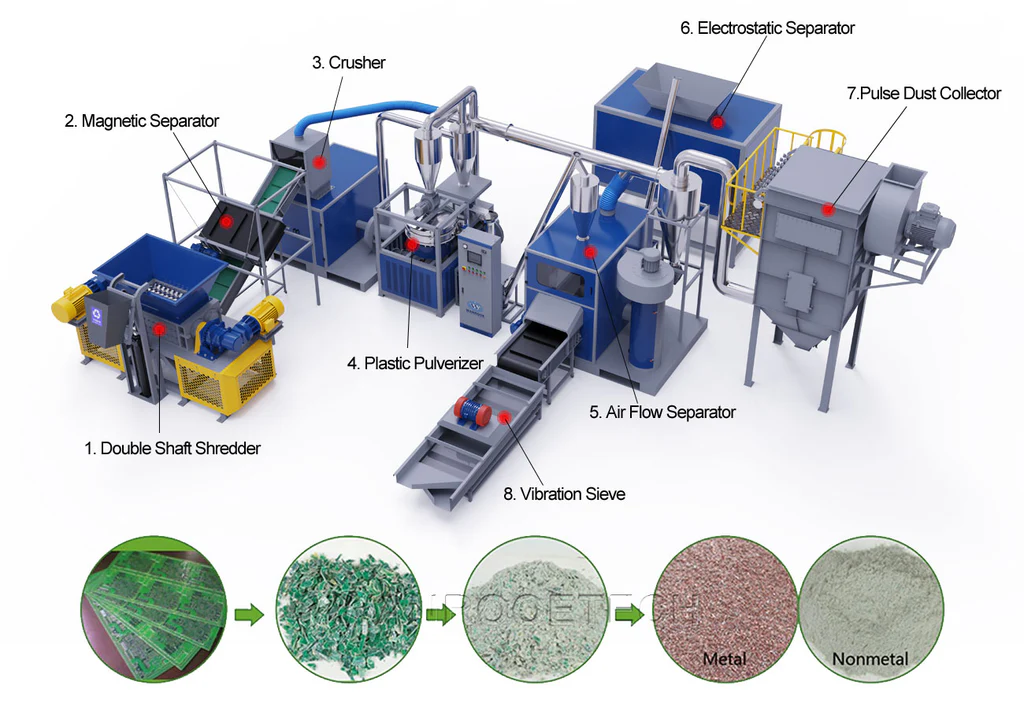
What Is Sustainable E-Waste Recycling?
Sustainable e-waste recycling is the environmentally responsible collection, dismantling, processing, refurbishment, and recycling of discarded electronic equipment while minimizing environmental impact.
Unlike dumping electronics in landfills, sustainable recycling ensures that:
- ♻️ Valuable materials are recovered and reused.
- 🔒 Sensitive data is securely destroyed.
- 🌍 Hazardous substances are handled safely.
- 📦 Reusable electronics are refurbished.
- 🌱 Waste sent to landfills is significantly reduced.
The ultimate goal is to extend the lifecycle of electronics while protecting people and the environment.
Why Sustainable E-Waste Recycling Is Important
Protects the Environment
Electronic waste contains hazardous materials such as:
- Lead
- Mercury
- Cadmium
- Chromium
- Brominated flame retardants
Improper disposal allows these substances to contaminate soil, groundwater, and air.
Sustainable recycling safely removes and processes these materials, reducing pollution and environmental degradation.
Conserves Natural Resources
Electronics contain valuable materials including:
- Gold
- Silver
- Copper
- Aluminum
- Palladium
- Rare earth elements
Instead of mining new raw materials, sustainable recycling recovers these resources for manufacturing new products.
This reduces:
- Energy consumption
- Mining activities
- Carbon emissions
- Resource depletion
Supports the Circular Economy
A circular economy keeps products and materials in use for as long as possible.
Rather than the traditional:
Take → Make → Dispose
Sustainable recycling promotes:
Reduce → Reuse → Refurbish → Recycle → Recover
This approach minimizes waste while maximizing resource efficiency.
Reduces Greenhouse Gas Emissions
Manufacturing electronics from recycled materials requires significantly less energy than producing them from newly mined resources.
This helps reduce:
- Carbon emissions
- Industrial pollution
- Energy consumption
Making sustainable e-waste recycling an important climate action strategy.
Common Types of Electronic Waste
Sustainable e-waste recycling covers a wide range of electronics, including:
IT Equipment
- Desktop computers
- Laptops
- Servers
- Tablets
- Network equipment
Office Equipment
- Printers
- Copiers
- Scanners
- UPS systems
- Fax machines
Consumer Electronics
- Smartphones
- TVs
- Radios
- Cameras
- Gaming consoles
Electrical Equipment
- Batteries
- Power supplies
- Cables
- Solar inverters
- Routers
Industrial Electronics
- Control panels
- Medical equipment
- Laboratory devices
- Manufacturing electronics
The Sustainable E-Waste Recycling Process
1. Collection
Electronics are collected from:
- Businesses
- Schools
- Government offices
- Hospitals
- Retail stores
- Households
Collection may include scheduled pickups or drop-off programs.
2. Asset Inspection
Items are assessed to determine whether they can be:
- Reused
- Refurbished
- Repaired
- Recycled
Extending the life of usable electronics reduces unnecessary waste.
3. Secure Data Destruction
Before recycling IT equipment, all sensitive information must be permanently removed.
Methods include:
- Certified data wiping
- Hard drive shredding
- SSD destruction
- Data destruction certificates
This is especially important for organizations handling confidential information.
4. Manual Dismantling
Electronic devices are carefully dismantled to separate materials such as:
- Metals
- Plastics
- Glass
- Circuit boards
- Batteries
- Cables
Proper separation improves recycling efficiency.
5. Material Recovery
Recovered materials are processed and supplied to manufacturers for reuse.
Examples include:
- Copper wiring
- Aluminum frames
- Steel components
- Plastic casings
- Precious metals
6. Responsible Disposal
Hazardous components that cannot be recycled are disposed of using environmentally approved methods.
Benefits of Sustainable E-Waste Recycling for Businesses
Organizations that adopt sustainable recycling enjoy numerous advantages.
Environmental Compliance
Responsible recycling helps organizations comply with environmental regulations and sustainability policies.
Enhanced Data Security
Secure destruction protects confidential:
- Customer records
- Financial information
- Employee data
- Intellectual property
ESG Performance
Environmental, Social, and Governance (ESG) initiatives increasingly require responsible waste management.
Sustainable e-waste recycling demonstrates a company’s commitment to environmental stewardship.
Corporate Reputation
Customers, investors, and partners increasingly prefer organizations that operate sustainably.
Proper recycling strengthens brand reputation and corporate responsibility.
Cost Savings
Recovering reusable equipment and valuable materials can reduce disposal costs while maximizing asset value.
Sustainable E-Waste Recycling in Kenya
Kenya is experiencing rapid growth in technology adoption, leading to an increase in obsolete electronic equipment.
Businesses, institutions, and households generate significant amounts of:
- Computers
- Mobile phones
- Network equipment
- Printers
- Office electronics
Sustainable recycling helps Kenya:
- Reduce environmental pollution
- Support green jobs
- Promote resource recovery
- Improve environmental compliance
- Advance the circular economy
- Protect public health
Working with licensed e-waste recyclers ensures electronics are handled safely and responsibly.
Best Practices for Sustainable E-Waste Recycling
Follow these recommendations for responsible disposal:
Keep E-Waste Separate
Never mix electronic waste with general household or office waste.
Recycle Through Licensed Providers
Choose certified recyclers with environmentally responsible recycling processes.
Protect Sensitive Data
Always erase or destroy data before disposing of computers, servers, or storage devices.
Donate or Refurbish Working Equipment
If electronics are still functional, consider refurbishment or donation before recycling.
Schedule Regular Collection
Businesses should establish periodic e-waste collection programs to prevent stockpiling.
Frequently Asked Questions
What is sustainable e-waste recycling?
It is the responsible collection, refurbishment, recycling, and disposal of electronic waste in a way that protects the environment, conserves resources, and supports the circular economy.
Why is e-waste recycling important?
It prevents pollution, recovers valuable materials, protects sensitive data, conserves natural resources, and reduces landfill waste.
Can all electronic waste be recycled?
Most electronic devices can be recycled, although the recovery rate varies depending on the materials and condition of the equipment.
Is data destroyed before recycling?
Yes. Professional recyclers use certified data destruction methods to ensure sensitive information cannot be recovered.
Who needs sustainable e-waste recycling?
Households, businesses, schools, healthcare providers, government agencies, NGOs, manufacturers, and any organization that uses electronic equipment.
Conclusion
As technology continues to evolve, responsible management of obsolete electronics has become a global priority. Sustainable e-waste recycling not only prevents environmental pollution but also conserves valuable resources, safeguards sensitive data, and supports a circular economy that benefits future generations.
By partnering with a trusted recycler like Nalabix, organizations and individuals can dispose of electronic waste responsibly while contributing to Kenya’s sustainability goals. Whether you’re replacing office computers, decommissioning a data center, or recycling household electronics, every device recycled responsibly is a step toward a cleaner, greener future.